
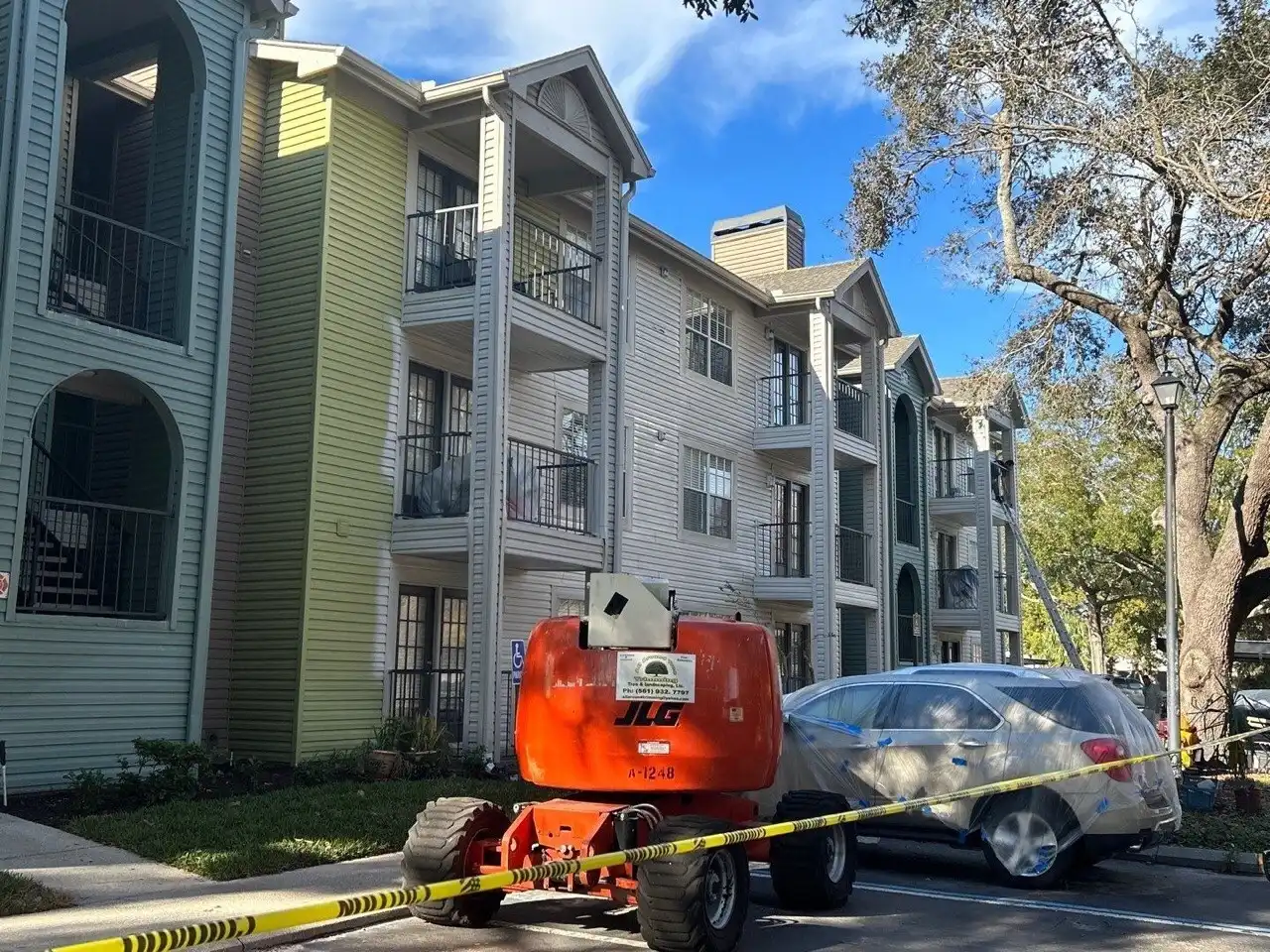
Building a 5-Year Capital Improvement Plan That Actually Works
Most capital improvement plans fail because they sit in a drawer until an elevator breaks or a roof leaks. A 5-year capital improvement plan (CIP) shouldn’t be a theoretical document—it must be an active roadmap detailing what big-ticket items need attention, exact cost projections, and clear funding mechanisms.
HAWK professional contractors explain through the step-by-step process of building a bulletproof 5-year CIP that prevents emergency expenses and protects your property’s long-term ROI.
What Is a Capital Improvement Plan for an Apartment Community
A capital improvement plan (CIP) is a strategic, long-term schedule of major, non-recurring projects planned over a multi-year window (typically 4 to 6 years). Unlike day-to-day operations, a CIP focuses on high-cost investments that extend an asset’s useful life or boost property value, including:
- Roof replacements and exterior repainting
- Parking lot resurfacing and concrete repair
- Boiler, HVAC, and elevator modernizations
- Clubhouse and amenity upgrades
Capital Expenses vs. Operating Expenses: Routine maintenance covers recurring operational costs like landscaping, pest control, and minor plumbing fixes. In contrast, capital improvements represent long-term asset investments funded through dedicated reserve accounts rather than the operational budget.
Learn More: What is Capital Improvement? Everything You Need to Know
Why Apartment Owners Need a 5-Year Capital Plan
A five-year outlook provides property owners with the necessary runway to forecast capital expenditures, secure favorable financing, and stagger major projects to keep cash flow predictable. A documented 5-year CIP protects your asset in three critical ways:
- Preserves Asset Value: Prevents deferred maintenance, which rapidly erodes resale value, physical integrity, and resident satisfaction.
- Streamlines Financing & Sales: Lenders, insurers, and prospective buyers require clear capital plans during due diligence to verify proactive management.
- Eliminates Cash Flow Shock: Spreads high-ticket expenses over time, avoiding sudden capital calls or emergency reserve depletion.
Step-by-Step: Creating a Practical 5-Year Capital Improvement Plan
A successful capital improvement plan balances immediate physical needs with long-term financial reality. By breaking the process into five structured phases, property managers and owners can eliminate guesswork, protect asset values, and maintain predictable cash flow.
Step 1: Conduct a Full Property Inspection
Start by thoroughly evaluating every building, common area, and mechanical room on the property. Document the physical condition of major systems, including:
- Roofing, gutters, and drainage
- Parking lots, sidewalks, and curbs
- HVAC, boilers, and domestic water heaters
- Elevators and life-safety equipment
- Building envelopes, siding, and windows
- Pools, clubhouses, and resident amenities
Pro Tip! For larger communities, consider a professional CNA or Reserve Study. HAWK’s System capital planning can turn these findings into prioritized projects, accurate cost forecasts, and an actionable 5-year plan.
Step 2: Estimate Remaining Useful Life and Replacement Costs
Once asset conditions are logged, project when each system will fail and estimate total replacement costs at current market rates.
- Factor in Inflation: Apply a 3% to 5% annual inflation rate so Year 4 and Year 5 projections reflect future economic conditions rather than today’s prices.
- Get Local Quotes: Contact trusted local contractors for high-ticket items like roofing or paving. Local vendor estimates are far more accurate than generic national averages.
Step 3: Prioritize and Sequence Projects Across 5 Years
Because you cannot address every item simultaneously, rank projects based on urgency, risk, and asset impact:
- Year 1 (Immediate Needs): Focus exclusively on life-safety items, active leaks, code violations, or systems at imminent risk of total failure.
- Years 2–3 (Mid-Tier Upgrades): Schedule exterior repainting, common area renovations, and parking lot seal coating to maintain curb appeal and structural integrity.
- Years 4–5 (Major Capital Replacements): Reserve these outer years for full roof replacements, elevator modernizations, or major structural work, giving your team sufficient runway to accumulate capital.
Step 4: Build the Budget and Reserve Fund Strategy
Compare your existing reserve account balance against your 5-year total projected expenditure. If a funding gap exists, consider three primary mechanisms to close it:
- Gradual Reserve Increases: Raise monthly reserve contributions incrementally to avoid sudden cost shocks.
- Commercial Financing: Secure a loan or line of credit for massive capital projects to spread repayment over a longer horizon.
- Special Assessments: Leverage one-time fees only as a last resort for urgent, unfunded emergencies.
Step 5: Document the Plan and Set an Annual Review Schedule
Compile all data into a central master document listing each project, its target year, projected cost, and designated funding source. Attach supporting evidence—such as inspection photos, contractor quotes, and engineering notes, so the plan withstands scrutiny from lenders, partners, or board members.
Finally, treat your CIP as a living document. Review it annually to update cost estimates, adjust timelines for unexpected wear, and keep your property’s financial strategy aligned with market conditions.
Common Capital Improvement Projects in Apartment Communities
Capital projects vary by asset age and layout, but most multifamily CIPs center around five key categories:
- Building Envelope: Roof and gutter replacements, exterior siding repairs, painting, and window/door upgrades.
- Paving & Concrete: Parking lot repaving, asphalt seal coating, and sidewalk/curb repairs.
- Mechanical & Life Safety: Boiler, HVAC, and water heater replacements, elevator modernizations, and fire suppression systems.
- Amenities & Curb Appeal: Clubhouse refreshes, pool deck resurfacing, and fitness center upgrades.
- Sustainability & Energy Retrofits: LED lighting upgrades, smart thermostats, and insulation additions, which lower operating expenses and often qualify for utility rebates.
Mistakes to Avoid When Building Your CIP
A capital improvement plan is only as good as its execution. When mapping out your 5-year strategy, steer clear of these four critical errors:
- Ignoring Cost Inflation: Standard vendor pricing rarely holds over 5 years. Failing to build in a 3% to 5% annual inflation buffer leaves your fund short by Years 4 and 5.
- Adopting a “Run-to-Failure” Mindset: Waiting for a boiler or roof to fail completely before replacing it leads to expensive emergency rates, temporary fixes, and severe resident disruption.
- Treating the CIP as a Static Document: Skipping annual reviews guarantees your budget will fall behind shifting material costs, local labor rates, and unexpected wear.
- Misunderstanding Reserve Funds: Treating reserves as “untouchable safety nets” rather than an active capital deployment pool leads to underfunded, delayed projects.
What Is an Example of a Capital Improvement Plan
A Capital Improvement Plan (CIP) is a multi-year blueprint that schedules high-cost physical upgrades, estimates their expenses, and assigns funding sources over a multi-year window (typically 5 years). Below is a simplified example of a 5-Year Capital improvement cost and plan for a 100-unit apartment community:
| Year | Asset Category | Project Description | Estimated Cost | Primary Funding Source |
| Year 1 | Safety & Roofing | Full roof replacement on Buildings A & B | $85,000 | Capital Reserve Fund |
| Year 2 | Paving & Grounds | Parking lot mill, overlay, and stripe | $42,000 | Reserve Fund + Operating Surplus |
| Year 3 | Mechanicals | Central boiler & domestic water heater replacement | $65,000 | Commercial Line of Credit |
| Year 4 | Exterior Envelope | Complete exterior repainting & siding repair | $50,000 | Capital Reserve Fund |
| Year 5 | Amenities | Clubhouse modernization & pool deck resurfacing | $38,000 | Reserve Fund |
What Is an Example of a Capital Improvement
A capital improvement is a permanent structural change, equipment installation, or physical upgrade that materially increases a property’s value, extends its useful life, or adapts it to a new use.
- Example: Replacing an entire 20-year-old asphalt shingle roof with modern, weather-resistant architectural shingles for $45,000.
- Why it qualifies: It is a major, non-recurring expense that adds long-term structural value and extends the building’s lifespan by decades.
- Non-example (Routine Repair): Patching a few broken shingles after a windstorm for $300. This merely maintains existing conditions and is classified as routine operational maintenance.
What Is the Difference Between a Capital Budget and a Capital Improvement Program
While both deal with large-scale capital expenditures, they differ in timeline, scope, and execution:
| Feature | Capital Budget | Capital Improvement Program (CIP) |
| Time Horizon | 1 Year (Short-Term) | 3–6 Years (Long-Term) |
| Core Focus | Authorizes spending and allocates funds for specific capital projects in the upcoming fiscal year. | Maps future capital priorities, strategic goals, project sequencing, and long-term funding strategies. |
| Function | Actionable financial plan tied to the current annual budget cycle. | Strategic planning framework that guides future annual capital budgets. |
Think of the CIP as the multi-year master roadmap, and the Capital Budget as Year 1 of that roadmap being funded and executed.
What Does the IRS Consider Capital Improvements
For federal tax purposes, the IRS regulates capital improvements under the BAR (Betterment, Adaptation, Restoration) framework. According to IRS Publication 527 and Treasury Regulations, an expense must be capitalized (depreciated over time) rather than deducted immediately if it meets any of the following criteria:
- Betterment: Corrects a material defect that existed before purchase, results in a material physical enlargement/expansion, or materially increases the property’s capacity, productivity, or efficiency.
- Restoration: Replaces a major structural component or substantial structural part of a building system (e.g., replacing an entire HVAC system vs. replacing an individual capacitor).
- Adaptation: Converts an asset or space to a new or significantly different use than its original design (e.g., converting a residential garage into a commercial rental office).
Common IRS-Recognized Capital Improvements
- Structure & Exterior: Adding a room, replacing roofs, installing new windows, siding, or storm doors.
- Mechanical Systems: Installing new central air conditioning, heating units, security systems, or commercial plumbing line overhauls.
- Interior Renovations: Full kitchen or bathroom remodels, flooring replacements, and structural wiring upgrades.
- Site Upgrades: Installing permanent fencing, paving a driveway, retaining walls, or deep landscaping alterations.
Strategic Planning Today Prevents Crisis Tomorrow
A 5-year capital improvement plan helps protect your property from unexpected failures, budget overruns, and declining value. With proactive inspections, accurate cost forecasting, and strategic project scheduling, you can replace costly emergencies with predictable capital planning.
Ready to Take Control of Your Property’s Capital Planning? Don’t let a broken boiler dictate your financial future. Contact HAWK Construction and Renovation today to assess your property, build a practical 5-year plan, and execute projects with confidence.
Closing Notes
A well-built 5-year capital improvement plan protects your apartment community’s long-term value, maintains resident satisfaction, and gives property managers clear visibility into upcoming expenses. Proactive capital planning ensures you stay in control of your budget rather than reacting to sudden, costly emergencies. Executing the process is straightforward: inspect the property, calculate realistic costs with inflation, prioritize by urgency, fund the strategy, and review it annually.
Treating your CIP as a dynamic roadmap keeps your property financially resilient, competitive, and crisis-free. Investing time today to scope, price, and sequence your capital projects prevents costly financial surprises down the line. As a result, every major renovation from structural roofing to amenity upgrades can be executed seamlessly and predictably.
Read More: Capital Improvements vs Deferred Maintenance for Apartment
FAQs
How often should a capital improvement plan be updated?
Review and update your plan at least once a year. A full reinspection or reserve study every three to five years is best practice, since it catches components aging faster than expected and keeps cost estimates accurate.
What is the difference between a capital improvement and routine maintenance?
Routine maintenance covers small, recurring costs like landscaping or minor repairs, paid from the operating budget. Capital improvements are large, non recurring projects that extend a property’s life or add value, typically funded through a separate reserve account.
Can a capital improvement plan help with financing or property sales?
Yes! Lenders and buyers often request a capital plan during underwriting or due diligence. A documented, well funded plan signals the property is proactively managed, which can support better loan terms and a stronger sale price.
What is the difference between CapEx and OpEx in property management?
- Capital Expenditures (CapEx): Non-recurring, major investments that extend the useful life of a property or increase its overall value (e.g., roof replacements, HVAC upgrades). They are funded via reserve accounts and amortized over time.
- Operating Expenses (OpEx): Day-to-day, recurring costs required to keep the property running (e.g., landscaping, minor plumbing repairs, pest control). They are funded directly through routine operating budgets.
How much should an apartment community hold in reserve funds?
While requirements vary by property age and size, a general rule of thumb is to maintain $300 to $500 per unit per year in reserves for newer properties, and $500 to $1,000+ per unit per year for older assets with aging mechanical systems. A professional Reserve Study provides the exact target reserve level needed.
Who should be involved in creating a 5-year CIP?
A comprehensive plan requires collaboration across several key roles:
- Property/Facility Managers: Provide daily operational insights and initial inspection data.
- Asset Managers & Owners: Set long-term financial strategy and approve capital allocation.
- Third-Party Engineers/Contractors: Offer precise technical assessments and accurate cost estimates.
- Accountants/Financial Advisors: Align reserve funding with tax strategies and cash flow requirements.
What happens if an unexpected emergency repair isn’t in the CIP?
If an unbudgeted emergency occurs, managers typically tap into unallocated reserve balances or secure a short-term commercial line of credit. If reserves are insufficient, issuing a special assessment to owners or adjusting the timing of non-urgent CapEx projects (like cosmetic clubhouse upgrades) in Years 2 through 5 can free up immediate capital.