
What Is Capital Improvement? A Complete Guide for Property Owners
Owning or managing a property involves more than regular maintenance and repairs. Over time, strategic upgrades and structural enhancements can play a major role in increasing property value, extending its useful life, and improving functionality. These projects are known as capital improvements.
Whether you own a home, manage a multifamily community, or oversee a commercial property, understanding what qualifies as a capital improvement is essential. The term often comes up during renovation planning, property evaluations, and tax discussions, but many owners are unsure how these upgrades differ from everyday repairs and maintenance.
At HAWK Construction and Renovation, we work with homeowners, landlords, and property managers who want to understand how their upgrade projects affect property value, taxes, and long-term planning. This guide breaks down everything you need to know about capital improvements, from the official definition to real-world examples and tax benefits.

What Is a Capital Improvement
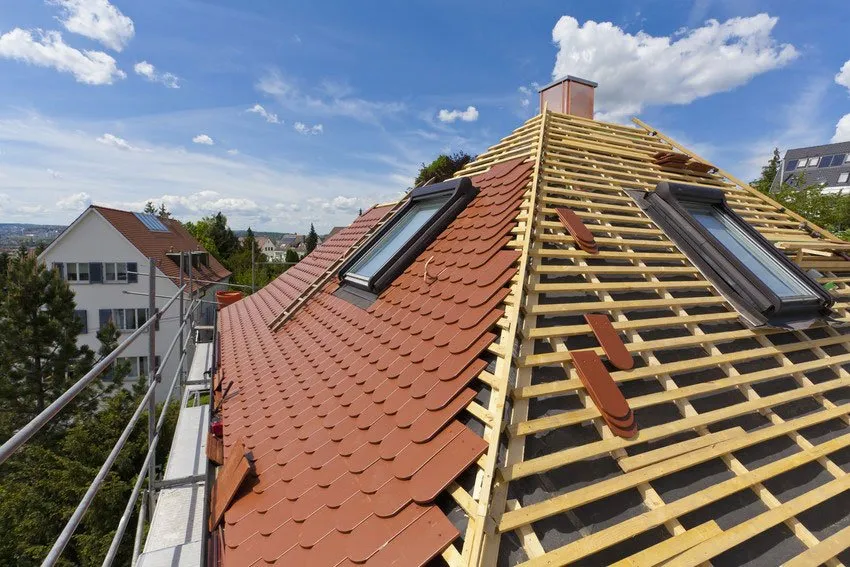
A capital improvement is a permanent upgrade, addition, or structural change that increases a property’s value, extends its useful life, or improves its functionality. Unlike routine repairs that only maintain existing conditions, these projects create long-term benefits and become a lasting part of the property. Common examples include adding new spaces, upgrading major systems, replacing a roof, or completing significant renovations.
The IRS generally classifies improvements as capital expenses when they provide value beyond the current year, which can affect how they are treated for tax purposes. Homeowners, landlords, businesses, and property managers use capital improvements to enhance assets, improve performance, and support long-term investment goals.
How Capital Improvements Work
Capital improvements are designed to create lasting value by improving a property’s condition, functionality, or overall worth. However, not every upgrade qualifies as a capital improvement. To be considered a capital improvement rather than a routine repair, a project generally needs to meet three key criteria:
- Permanent Property Changes: The improvement must become a lasting part of the property, where removal could cause damage or reduce its overall value.
- Increase Property Value: The project must add value, extend the property’s useful life, or adapt the space for a different purpose or improved functionality.
- Affect Cost Basis: The improvement should remain with the property when sold, allowing eligible costs to be added to the property’s adjusted cost basis for tax purposes.
Examples of capital improvements include adding a room or bathroom, finishing a basement, replacing a roof, upgrading HVAC systems, installing solar panels, or adding a permanent swimming pool. In contrast, everyday fixes such as repairing a leaking tap, repainting walls, or patching minor damage are considered routine maintenance or deferred maintenance rather than capital improvements.
Capital Improvement vs. Repair vs. Maintenance
Property owners often use these terms interchangeably, but each represents a different type of expense with a distinct impact on property value, budgeting, and tax treatment.
| Category | Definition | Purpose | Examples | Financial Treatment |
| Capital Improvement | A major, long-term upgrade that adds value, extends useful life, or improves a property’s functionality. | Enhances the property and creates lasting benefits beyond the current year. | Installing a new roof, adding a room, upgrading HVAC systems, or building a permanent structure. | Costs are typically added to the property’s cost basis and depreciated or recovered over time rather than deducted immediately. |
| Repair | A fix that restores a damaged or broken part of the property to its original working condition. | Maintains normal operation without significantly increasing value or extending the property’s lifespan. | Repairing a leaking pipe, replacing a broken door handle, or fixing damaged flooring. | Usually treated as an ordinary expense and deducted in the year the repair is completed. |
| Maintenance | Routine work performed to keep a property clean, safe, and functioning properly. | Prevents deterioration and preserves the property’s existing condition. | Regular inspections, cleaning, seasonal HVAC tune-ups, or repainting worn areas. | Generally considered an operating expense and deducted in the year it occurs. |
Understanding this distinction is essential for accurate tax filing and smart budgeting, especially for landlords and property managers overseeing multiple units.
Why Capital Improvements Matter for Property Value
Capital improvements are strategic investments that enhance a property’s performance, market appeal, and long-term financial potential. The main benefits include:
- Increase Property Value: Major upgrades improve market appeal, enhance property features, and increase overall worth for future buyers, investors, and owners.
- Attract Better Occupants: Modern interiors, improved amenities, and efficient systems create more appealing spaces that attract quality tenants and reduce turnover.
- Support Higher Rents: Well-planned improvements provide added value for residents, allowing landlords to justify competitive rental rates and maximise income.
- Lower Operating Costs: Energy-efficient upgrades and modern systems reduce ongoing expenses while improving property efficiency and long-term operational performance.
- Extend Property Lifespan: Replacing outdated structures and systems helps prevent costly failures while preserving the property’s condition and usability.
- Improve Safety Standards: Upgrades help properties meet current building codes, accessibility requirements, and safety regulations while reducing potential risks.
- Reduce Vacancy Rates: Attractive, updated properties deliver better experiences, encouraging tenant satisfaction, retention, and stronger occupancy levels.
- Increase Investment Returns: Strategic improvements protect asset value, improve profitability, and create stronger financial outcomes for long-term property owners.
Tax Benefits of Capital Improvements
Capital improvements offer more than aesthetic and functional upgrades; they can also provide important financial advantages for property owners. By increasing a property’s cost basis, qualifying improvements may help reduce taxable gains, improve investment returns, and support better long-term financial planning.
Increase Property Cost Basis
The cost basis represents the original purchase price of a property plus eligible capital improvement expenses. When qualifying upgrades are added to the cost basis, the taxable profit from a future sale can be reduced. For example, purchasing a home for $650,000 and investing $50,000 in renovations increases the cost basis to $700,000, lowering the amount of gain subject to tax.
Support Potential Tax Savings
Capital improvements may help reduce tax liability when selling a property, especially when accurate records of expenses are maintained. Eligible homeowners may also benefit from IRS primary residence exclusions of up to $250,000 for single filers and $500,000 for married couples filing jointly. Some states may also offer sales tax exemptions for qualifying improvements when proper documentation is provided.
What Is a Capital Improvement Plan
A capital improvement plan, often called a CIP, is a multiyear roadmap that outlines major upcoming projects, their estimated costs, and how they will be funded. Municipalities, universities, and large property management companies commonly use CIPs to prioritize infrastructure needs and avoid unexpected budget strain.
For property owners managing multiple buildings or units, a capital improvement plan makes it easier to schedule big projects like roof replacements, HVAC upgrades, or parking lot repaving well in advance, rather than reacting to emergencies. This proactive approach helps control costs, extend asset lifespans, and keep properties competitive in the market.
Common Capital Improvement Examples
Capital improvement projects vary depending on the property type, but the goal remains the same: creating lasting value, improving functionality, and extending the asset’s useful life. From residential upgrades to large-scale multifamily apartment renovations, these improvements represent long-term investments rather than routine repairs.
Residential Properties
Common capital improvements include finishing a basement, remodelling a kitchen or bathroom, adding a room, replacing the roof, or building a new deck. Permanent outdoor additions, such as swimming pools, can also increase a property’s value, functionality, and long-term appeal.
Multifamily Properties
Commercial properties often require upgrades such as modern HVAC systems, renovated lobbies and shared spaces, elevator replacements, energy-efficient windows, unit renovations, and updated plumbing or electrical systems. These improvements enhance tenant experience, improve operational efficiency, and help increase the property’s long-term value.
Commercial Properties
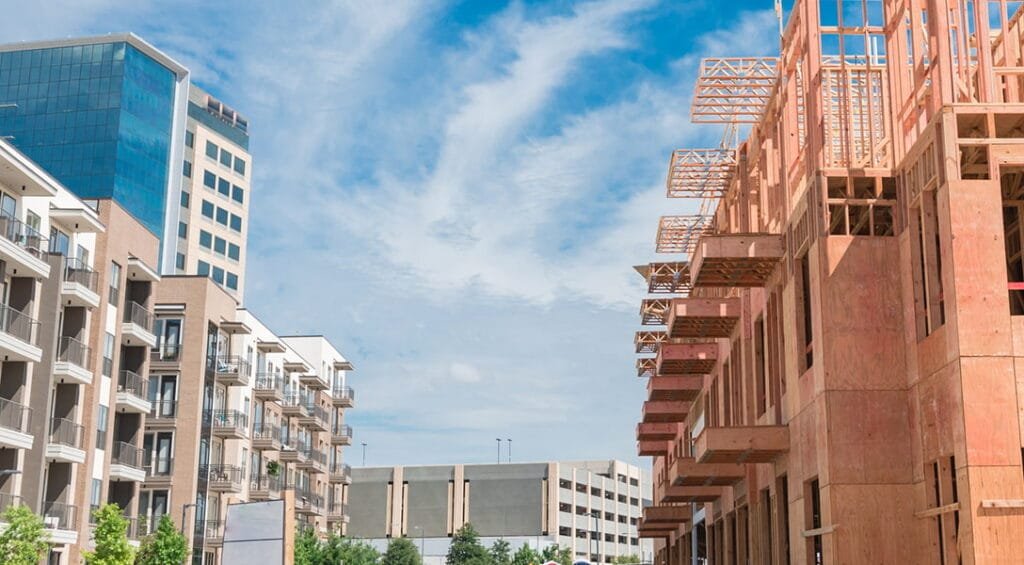
Industrial properties often involve larger capital improvement projects, such as building expansions, additional floors or wings, structural upgrades, ADA accessibility improvements, complete roof replacements, and major system modernizations. These investments improve safety, operational efficiency, functionality, and the property’s long-term performance.
Plan Your Next Capital Improvement Project with HAWK
Whether you are upgrading a single property or managing improvements across multiple apartment buildings, HAWK Construction and Renovation provides the expertise needed to plan and execute projects successfully. From strategic planning and budgeting to quality construction and renovations, our licensed and insured team helps transform properties into more valuable and future-ready assets. Contact HAWK today to discuss your next improvement project.
Final Thoughts
A capital improvement is more than just a home upgrade. It is a strategic investment that increases property value, extends the life of your asset, and can meaningfully reduce your tax burden when it comes time to sell. Understanding the difference between capital improvements, repairs, and maintenance helps property owners make smarter financial decisions and plan renovation projects with confidence.
Whether planning a single home renovation or managing capital improvements across an entire property portfolio, choosing an experienced contractor ensures better results. The right partner helps streamline planning, control costs, and deliver upgrades that maximize long-term property value.
HAWK systems help owners and property managers design, plan, and complete capital improvement projects that deliver lasting NOI growth.
Read Next: Maximize ROI on Multifamily Apartment Building Upgrades
Frequently Asked Questions
Is a new roof considered a capital improvement?
Yes, a full roof replacement generally qualifies as a capital improvement since it is permanent, extends the property’s useful life, and adds measurable value. Minor roof repairs, like patching a small leak, do not qualify since they simply restore the existing condition rather than improving it.
Does painting a house count as a capital improvement?
Standard painting is usually classified as maintenance, not a capital improvement, since it preserves the property’s appearance without adding lasting value. However, if painting is part of a larger renovation project, such as a full remodel, it may be included in the overall capital improvement cost.
How do capital improvements affect property taxes?
Capital improvements can increase a property’s assessed value, which may raise annual property taxes depending on local regulations. At the same time, they increase the cost basis for capital gains purposes, which can reduce taxes owed when the property is eventually sold.
Can landlords use capital improvements to raise rent?
In some states and cities, landlords can apply for approved rent increases after completing major capital improvements, particularly in rent stabilized buildings. Programs vary by location, so property owners should check local housing regulations before assuming an automatic rent increase applies.