
How Much Does an Apartment Turnover Cost Per Unit in the U.S in 2026
The average apartment turnover cost ranges from approximately $1,500 to $5,000 per unit, depending on the property’s condition, required repairs and vacancy period. Light turns may cost less, while extensive repairs, flooring replacement and lost rental income can push the total well above $5,000. Recent multifamily industry research places the average turnover cost near $4,000 per resident.
For property owners and managers, the cost to turn an apartment includes more than cleaning and repainting. Labor, maintenance, leasing expenses, rent concessions and vacancy loss can all affect the final amount.
HAWK Construction & Renovation supports multifamily property owners with interior renovation services that help prepare apartments for their next occupants. Understanding each cost category helps you set realistic budgets, coordinate make-ready work and reduce unnecessary downtime between residents.
Average Apartment Turnover Cost Per Unit
A practical starting point for budgeting apartment turnover is $1,500 to $5,000 per unit, including typical make-ready work and related turnover expenses. The final cost depends on how much repair work is required, how long the apartment remains vacant and whether additional leasing expenses apply. Use the following ranges as initial planning estimates rather than fixed industry prices.
| Turnover Type | Estimated Cost Per Unit | Typical Work |
| Light Turn | $1,000–$2,000 | Cleaning, minor paint touch-ups and small repairs |
| Standard Turn | $2,500–$4,000 | Full cleaning, repainting, routine maintenance and minor replacements |
| Heavy Turn | $5,000+ | Flooring replacement, extensive repairs, appliance replacement and major paint work |
These estimates describe common budget ranges, not guaranteed all-in costs for every property. Some contractors quote only physical make-ready work, while property-level calculations may also include vacancy loss, leasing costs and concessions. Keep these categories separate to avoid double-counting.
A heavy turn can exceed $10,000 when several major components need replacement or the apartment has significant damage. A well-maintained unit requiring only cleaning and minor touch-ups may cost considerably less.
Why Does the Average Turnover Cost Matter
Your average unit turn cost helps determine how much money to reserve for routine apartment operations and upcoming lease expirations. For example, a property completing 50 turnovers annually at an assumed $3,000 per turn would spend $150,000 on those turnovers. This figure excludes any expenses not included in the assumed per-unit rate.
Tracking the average across several reporting periods can reveal whether costs are rising because of material prices, repeated repairs, longer vacancies or changes in the condition of units at move-out. It also helps property managers compare renovation plans, identify recurring maintenance issues and prepare more realistic annual budgets.
Apartment Turnover Cost Breakdown
An apartment turnover cost breakdown should separate the physical work from the expenses associated with an empty unit and finding a replacement resident. The following ranges are illustrative U.S. planning estimates. Actual prices depend on apartment size, local labor rates, repair requirements and contractor pricing
| Cost Category | Estimated Cost | Typical Expenses |
| Deep Cleaning | $120–$420 | Kitchens, bathrooms, floors, cabinets and appliances |
| Painting and Drywall | $200–$500+ | Wall touch-ups, patching and repainting |
| Locks and Access | $80–$150 per lock | Rekeying or changing locks |
| Minor Repairs | $100–$500+ | Hardware, fixtures, doors and small plumbing issues |
| Flooring and Carpet | $500–$5,000+ | Carpet replacement, vinyl flooring and related installation |
| Marketing and Leasing | $300–$1,500+ | Listings, leasing support, screening and related expenses |
| Rent Concessions | Varies | Discounts or incentives offered to secure a lease |
These categories can overlap with contractor estimates. For example, a full make-ready quote may already include cleaning, painting and minor repairs. Review each proposal before adding separate allowances.
- Cleaning and Final Preparation
Professional cleaning removes dirt, grease, stains and debris left after a resident moves out. The scope may include bathrooms, kitchen surfaces, cabinets, appliances, windows and flooring. The actual cost depends on the unit’s size and condition.
An apartment left in good condition may need only routine cleaning, while a heavily soiled unit may require extra labor and specialized treatment. Include cleaning in the turnover checklist rather than treating it as an afterthought. The apartment should be clean before the final inspection and any scheduled move-in.
- Painting and Drywall Repairs
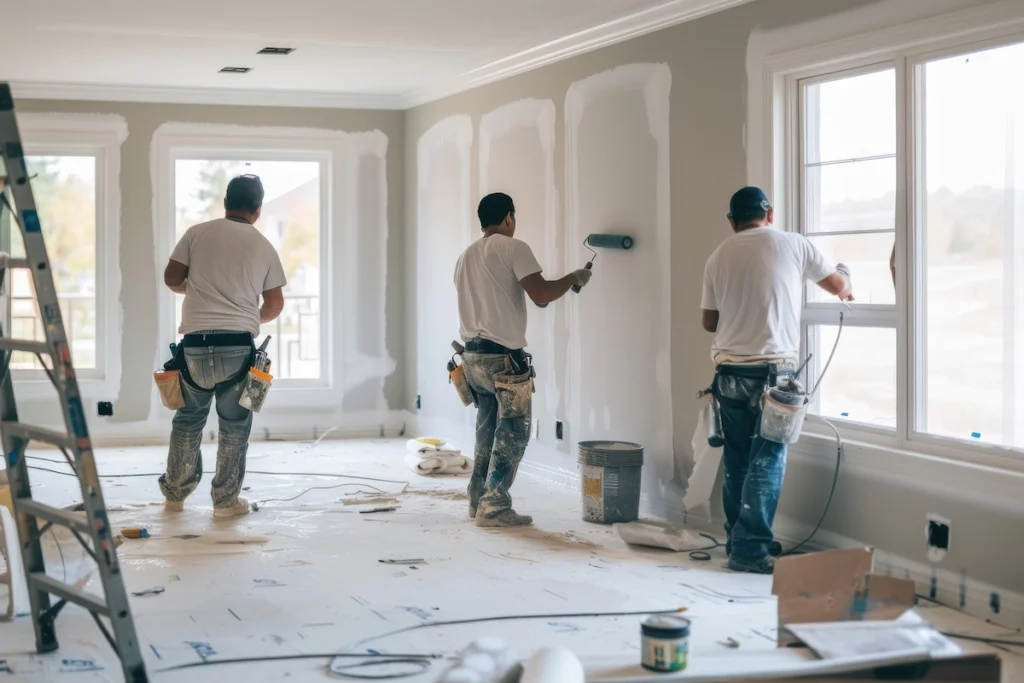
Paint and drywall work can account for a meaningful share of the make-ready budget. Small scuffs may need spot repairs, while extensive wall damage can require patching, sanding and repainting entire rooms.
Your paint standard should distinguish normal wear from damage that requires additional work. Consistent specifications also make it easier to estimate labor and material quantities across multiple units.
- Flooring and Carpet Replacement
Flooring costs depend on the installed material, affected area and condition of the existing surface. Professional cleaning may be enough for carpet that remains serviceable. Worn, stained or damaged flooring may require replacement, including removal of old material and preparation of the underlying surface.
Inspect flooring before automatically replacing it. A documented condition standard helps prevent unnecessary spending while ensuring damaged or unsafe surfaces receive proper attention.
- Maintenance and Fixture Repairs
Common make-ready repairs include loose hardware, leaking faucets, damaged blinds, broken cabinet hinges, faulty light fixtures and door adjustments. These items may have modest individual costs, but multiple repairs across one apartment can add up.
Use move-out inspections and maintenance records to identify problems that recur across units. Major appliance replacements, plumbing repairs or damaged subfloors should be budgeted separately when their scope exceeds routine maintenance.
- Leasing and Marketing Expenses
A turnover may involve advertising the apartment, coordinating showings, processing applications and preparing lease documents. If an outside leasing service is used, its fees may also form part of the cost.
Concessions can increase the expense further. For example, offering two weeks of free rent on a $1,800 monthly apartment represents approximately $900 in rent concessions, assuming a 30-day month. Record these expenses separately from construction work to understand the full financial impact of each turnover.
- Vacancy Loss and Holding Costs
Vacancy loss is the rent you miss while an apartment remains unoccupied. Holding costs may also include utilities, insurance and other expenses that continue during the vacancy period. Consider an apartment renting for $1,800 per month:
| Vacancy Period | Estimated Lost Rent |
| 7 days | $420 |
| 14 days | $840 |
| 30 days | $1,800 |
These figures use a 30-day month and exclude other holding expenses. The longer a unit remains vacant, the greater the potential revenue loss. Track physical repair time separately from the full vacancy period to identify whether the main problem is construction, leasing demand or coordination.
Make-Ready vs. Turnover
Make-ready and turnover are closely related, but they describe different parts of the process. Make-ready refers to the physical work needed to prepare an apartment for its next occupant. Apartment turnover covers the broader transition between residents, which can include move-out processing, repairs, cleaning, leasing and vacancy-related costs.
| Activity | Make-Ready | Full Turnover |
| Cleaning and painting | Included | Included |
| Maintenance and repairs | Included | Included |
| Final unit inspection | Usually included | Included |
| Move-out administration | Usually excluded | Included |
| Marketing and leasing | Excluded | Included |
| Vacancy loss | Excluded | Included in an all-in calculation |
| Rent concessions | Excluded | Included when applicable |
This distinction matters when comparing contractor quotes with property management reports. A contractor’s make-ready price may be reasonable even when the property’s total turnover cost is much higher.
For accurate reporting, establish one definition for each metric and apply it consistently across your portfolio.
5 Factors That Affect Multifamily Apartment Unit Turn Costs
Not every apartment requires the same amount of work. Assess the following factors before finalizing your make-ready budget.
- Apartment Condition
A well-maintained unit may need cleaning and minor touch-ups. Apartments with damaged flooring, broken fixtures, wall damage or deferred repairs require more labor and materials. Move-out inspections and maintenance records help you forecast which units are likely to need heavier work.
- Unit Size and Layout
Larger apartments generally require more paint, flooring and cleaning time. Layout, fixture count and the condition of kitchens and bathrooms also affect the total scope. Build estimates around floor plans and actual work requirements rather than applying one price to every unit.
- Local Labor Rates
Labor rates vary by market, contractor availability and the type of work required. Specialized repairs may cost more than routine cleaning or painting. Request itemized quotes from contractors familiar with multifamily properties in your area. Compare the work included, the expected completion date and any exclusions.
- Material and Appliance Choices
Replacement flooring, cabinets, countertops and appliances can increase the make-ready cost. Standardizing approved finishes across similar units can simplify purchasing and reduce delays. Select products that meet your property’s durability and maintenance needs without adding unnecessary upgrades to routine turns.
- Scheduling and Vendor Coordination
A unit can remain vacant longer when cleaners, painters, maintenance crews and inspectors are booked separately without a shared schedule. Confirm which tasks can overlap safely and which must finish before the next trade begins. Order required materials before the unit becomes available whenever the scope is known in advance.
For broader planning, HAWK’s multifamily interior renovation guidelines for property owners provide guidance on defining renovation scopes, coordinating materials, budgeting and managing work across apartment communities.
How Long Should an Apartment Turnover Take
A straightforward physical make-ready may take approximately three to five working days when materials and contractors are ready. More extensive repairs can extend the work to one or two weeks or longer. The full turnover period is usually longer because it includes leasing activities and the time between one resident’s departure and the next resident’s arrival.
| Turn Type | Indicative Physical Work Time |
| Light Turn | 1–3 Working Days |
| Standard Turn | 3–5 Working Days |
| Heavy Turn | 1–2 Weeks or Longer |
These are planning estimates, not guaranteed deadlines. Damage, supply delays, inspections and contractor availability can change the schedule.

How to Keep the Turnaround on Schedule
- Schedule Inspections: Assess the unit as soon as access is available and document the required work.
- Book Contractors Early: Reserve cleaning, painting and repair crews based on the expected move-out date.
- Order Materials: Confirm stock and delivery dates before scheduling installation.
- Sequence Tasks: Arrange repairs, painting, flooring and cleaning in the correct order.
- Check Completion: Resolve outstanding defects before releasing the apartment for occupancy.
For a more detailed look at project scheduling, read HAWK’s guide on how long it takes to renovate an apartment unit.
How to Calculate Apartment Turnover Costs
To calculate the average cost of apartment turnover, add the expenses included in your chosen definition and divide the total by the number of completed turnovers. Formula:
Average turnover cost per unit = Total turnover expenses ÷ Number of completed turnovers
Suppose a property completes 20 turnovers in one month and records the following expenses:
| Expense | Monthly Total |
| Cleaning, Painting and Repairs | $30,000 |
| Leasing and Marketing | $5,000 |
| Vacancy Loss | $15,000 |
| Total Turnover Expenses | $50,000 |
| The Average Cost Would Be | $50,000 ÷ 20 = $2,500 per unit |
This example assumes the listed expenses cover all costs included in the calculation. It excludes any additional concessions or holding costs not recorded above. Track both direct make-ready expenses and all-in turnover costs. This shows whether your property is spending too much on physical repairs or losing money through extended vacancies.
How to Reduce Apartment Turnover Costs
The goal is to reduce avoidable spending without compromising maintenance quality or move-in readiness.
- Inspect Units Early: Document maintenance issues before move-out so you can plan repairs and order materials.
- Prioritize Lease Renewals: Address resident concerns and maintenance problems before lease expiration to reduce avoidable turnover.
- Standardize Materials: Use consistent paint, flooring, fixtures and hardware across similar units.
- Schedule Vendors Together: Coordinate repairs, painting and cleaning to reduce gaps between work stages.
- Separate Routine Repairs: Distinguish minor maintenance from damage requiring a larger renovation budget.
- Track Vacancy Days: Monitor the period a unit remains unoccupied and identify preventable delays.
- Review Vendor Quotes: Compare labor, materials, disposal, cleanup and exclusions before approving proposals.
- Prevent Recurring Damage: Address leaks, ventilation problems and other maintenance issues before they lead to larger repairs.
Avoid cutting costs by overlooking damaged flooring, faulty fixtures or safety concerns. A cheaper make-ready can lead to repeat repairs, resident complaints and more time spent coordinating maintenance.
Review the multifamily renovation project portfolio to see examples of apartment interior improvements and wider property maintenance work relevant to planning larger scopes.
Plan Multifamily Apartment Turnovers With HAWK
Apartment turnover costs depend on unit condition, repair requirements and the time needed to prepare each apartment for occupancy. A clear scope and coordinated schedule help property teams manage spending while reducing avoidable delays.
HAWK Construction & Renovation supports multifamily owners and property managers with interior renovations and deferred maintenance. Share your unit count, renovation priorities and schedule through the HAWK contact page to discuss your property’s needs.
Conclusion
The average apartment turnover cost can range from approximately $1,500 to $5,000 per unit, while extensive repairs and vacancy-related expenses may push the total higher. Your actual budget depends on the physical condition of each apartment, local labor rates, required materials and leasing timelines.
Separate make-ready expenses from vacancy loss and leasing costs to understand where your money goes. Early inspections, consistent material specifications and coordinated contractor schedules can help control spending without overlooking essential repairs.
Track cost per unit, physical workdays and total vacancy days across your portfolio. These measures provide a clearer basis for future budgets and help you identify which improvements can make apartment turnovers more predictable.
FAQs
How much does it cost to rent an apartment?
Apartment turnover may cost $1,500 to $5,000 per unit, depending on repairs, cleaning, flooring, painting and vacancy-related expenses. Light turns cost less, while extensive rehabilitation can exceed $5,000.
What is included in a make-ready?
A make-ready usually includes cleaning, painting, minor repairs, fixture checks and preparing the apartment for its next occupant. Larger jobs may require flooring, appliance or other component replacements. Exact inclusions depend on the property’s standards and contractor agreement.
How can property owners reduce apartment turnover costs?
Inspect units early, schedule contractors in advance, standardize materials and monitor vacancy days. Addressing recurring maintenance problems and coordinating work across similar units can also help control costs.
Can HAWK help with multifamily apartment turnovers?
HAWK supports multifamily owners and property managers with interior renovations and property improvement work. Its team can discuss unit condition, project scope and scheduling requirements to help determine the work needed across a property.