
Capital Improvements vs Deferred Maintenance: What Owners Must Know
Property owners and asset managers frequently conflate capital improvements and deferred maintenance. While both involve spending money on a building, treating them as interchangeable is a costly financial mistake. Misclassifying or blending these two operational areas leads to flawed cash-flow forecasting, unexpected emergency assessments, severe tax accounting errors, and accelerated property devaluation.
At HAWK Construction and Renovation, we partner with multifamily owners and property managers to audit asset conditions and prioritize capital allocation. This comprehensive guide breaks down the core differences, financial implications, and strategic management steps required to protect your real estate investment.
What Is a Capital Improvement
A capital improvement is a structural, functional, or aesthetic upgrade that directly enhances a property’s overall value, extends its useful life, or adapts it to a new use. These are strategic, planned investments, not reactions to damage or decay.
Under IRS guidelines and GAAP accounting, a capital improvement cannot be fully deducted as an immediate operational expense. Instead, it must be capitalized and depreciated over its useful life (typically 27.5 years for residential rental property components, or shorter periods via cost segregation studies).
Key Characteristics of Capital Improvement
- Proactive & Intentional: Executed on a planned capital expenditure (CapEx) timeline.
- Value-Add: Increases Net Operating Income (NOI) by enabling higher market rents or reducing long-term utility costs.
- Life Extension: Substantially prolongs the remaining useful life of a primary building system.
Common Examples of Capital Improvement in Apartment Buildings
- Structural & Mechanical Upgrades: Full replacement of an aging boiler/chiller system, upgrading main electrical panels to accommodate high-draw modern appliances, or re-piping plumbing stacks.
- Interior & Exterior Renovations: Modernizing unit kitchens (granite/quartz countertops, new cabinetry) and replacing single-pane windows with high-efficiency thermal glass.
- Amenity Additions: Converting unused basement space into a tenant gym, adding a dog park, or installing smart-access security systems and EV charging stations.
Learn More: What is Capital Improvement? Everything You Need to Know
What Is Deferred Maintenance
Deferred maintenance refers to necessary apartment building repairs, servicing, or upkeep tasks that have been delayed or postponed. It usually starts when property managers try to trim operating budgets or delay vendor expenses in the short term.
Key Characteristics of Deferred Maintenance
- Reactive & Overdue: Represents work that should have already been completed during routine preventative maintenance.
- Risk Multiplier: Minor unresolved issues spread damage to adjacent structural systems over time.
- Value Destructive: Directly depresses property valuation, increases tenant turnover, and raises liability risks.
Common Examples of Deferred Maintenance in Apartment Buildings
- Building Envelope Issues: Ignoring hairline stucco cracks, delaying repointing on brick masonry, or patching a deteriorating roof membrane instead of repairing the underlying flashing.
- Plumbing & Mechanical Neglect: Unaddressed slow leaks under sinks, failing backflow preventers, or ignoring squealing belts and dirty coils in shared HVAC systems.
- Safety & Structural Risks: Postponing repairs on cracked concrete walkways, rotting exterior stair treads, loose balcony railings, or worn parking lot sealcoating.
Capital Improvement vs Deferred Maintenance at a Glance
| Feature | Capital Improvement (CapEx) | Deferred Maintenance (OpEx Liability) |
| Primary Objective | Add market value, raise NOI, or extend asset life | Restore baseline operational condition & safety |
| Accounting / Tax | Capitalized & depreciated over time (e.g., 27.5 yrs) | Expensed immediately in the current tax year |
| Funding Source | Capital Reserve Fund or Capital Call / Refinance | Annual Operating Budget / Maintenance Reserves |
| Tenant Impact | Drives rent growth, retention, and premium positioning | Prevents tenant complaints, lease breaks, and rent withholdings |
| Financial Risk | Opportunity cost if capital is misallocated | Exponentially higher emergency repair costs & legal liability |
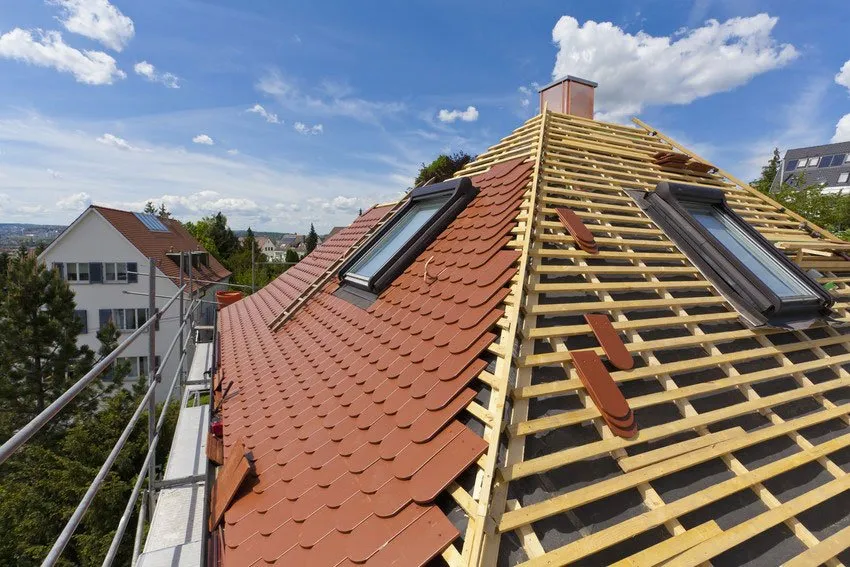
| Typical Example | Complete replacement of a 20-year-old roof | Replacing torn shingles or patching minor roof leaks |
The True Cost of Delay: How Deferred Maintenance Eats Your Profit
When real estate leaders lump maintenance and capital expenditures into a single budget pool, deferred maintenance is almost always pushed aside in favor of cosmetic upgrades. Investing in a trendy leasing office while ignoring 30-year-old cast iron plumbing creates a ticking financial bomb.
1. The 1:4 Cost Multiplier
In commercial real estate, there is a well-established rule of thumb: $1 of deferred maintenance usually results in $4 of physical damage and emergency repair costs if left unaddressed.
Example: A $250 sealant job around exterior second-story windows gets ignored. Water silently penetrates the wall cavity over two seasons, causing hidden framing rot, toxic mold growth, and interior drywall collapse. The resulting remediation and structural repair bill: $8,500+.
2. Cap Rate and Property Devaluation
Multi-family property valuations are directly tied to Net Operating Income (NOI/Cap Rate = Property Value)
- Deferred maintenance drives up ongoing operating costs (e.g., higher water bills from unaddressed leaks, high turnover turnover expenses, constant emergency plumber call-out rates).
- Higher operating expenses lower your NOI. At a 6% capitalization rate, every $10,000 in unnecessary annual operating waste destroys $166,667 in total property equity.
3. Liability and Insurance Non-Renewals
Insurance carriers now conduct stringent physical risk assessments before renewing commercial policies. Deferred maintenance, such as aging electrical panels (e.g., Federal Pacific or Zinsco), trip hazards on walkways, or unserviced fire suppression systems, increasingly leads to premium spikes, dropped coverage, or denied claims following major losses.
Building an Asset Management Execution Plan
To prevent deferred maintenance from eating away your capital improvement budget, implement a structured 4-step physical asset management workflow:
Step 1. Conduct a Physical Capital Needs Assessment (CNA)
Identify baseline conditions across all major components Inspect the building envelope, mechanical systems, unit interiors, and site grounds. Categorize every system using a 3-tier matrix:
- Immediate: Life/Safety liabilities and active leaks (0–30 days).
- Short-Term: Deferred maintenance near failure (1–12 months).
- Long-Term: Life-cycle capital replacements (1–10 years).
Step 2. Establish Segregated Bank Accounts
Never mix operating funds with capital reserves. Maintain strictly separate bank accounts:
- Operating Account: Covers day-to-day repairs, routine servicing contracts, and immediate OpEx needs.
- Capital Reserve Account: Receives monthly contributions (typically $250–$500 per unit/year, depending on asset age) dedicated strictly to planned CapEx projects.
Step 3. Map Equipment Lifespans against Reserve Schedules
Prevent surprises using predictable system life cycles. Track major mechanical assets against industry average useful lifespans:
- Asphalt Shingle Roofs: 20–25 years
- Commercial Water Heaters: 10–12 years
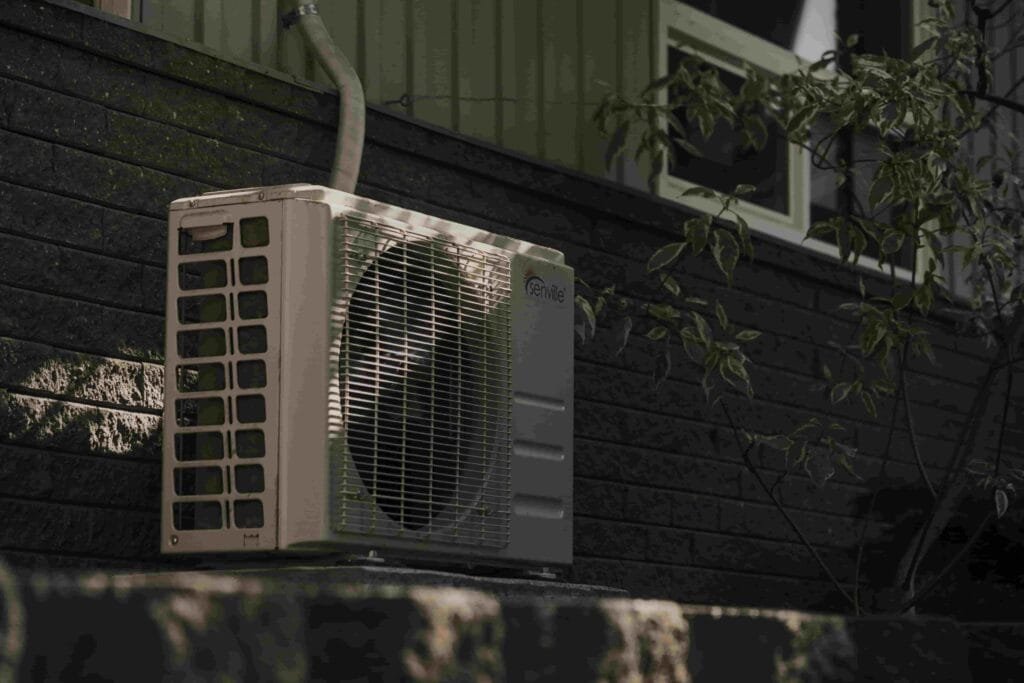
- HVAC Compressors: 12–15 years
- Asphalt Paving: 15–20 years (with sealcoating every 3–5 years)
Calculate remaining useful life (RUL) annually to ensure reserve funds match upcoming replacement dates.
Step 4. Perform Annual Budget & Scope Re-alignment
Adjust forecasts for inflation and market demands. Material and labor costs fluctuate. Review your capital plan annually with a licensed general contractor to adjust reserve contributions based on current construction costs, supply chain lead times, and local rental market trends.
Read Next: General Contractor vs Home Contractor: What’s the Difference
Why Property Owners Partner with HAWK
Navigating the line between immediate repairs and long-term capital projects requires deep construction expertise and clear commercial awareness. At HAWK Construction and Renovation, we help apartment owners, syndicators, and property managers protect their physical assets and maximize investor returns.
- Comprehensive Condition Audits: We inspect your property as an interconnected system, identifying hidden maintenance liabilities before they turn into major structural failures.
- Strategic CapEx Execution: From full interior unit turn programs to major exterior envelope overhauls, we execute projects on time, within budget, and with minimal tenant disruption.
- Budget Optimization: We provide clear, itemized cost projections that help your accounting team properly distinguish between deductible OpEx repairs and capitalizable CapEx upgrades.
Contact Us for Free Consultation
Frequently Asked Questions
What is the primary accounting difference between capital improvements and deferred maintenance?
Capital improvements are capital expenditures (CapEx) that must be capitalized and depreciated over time on your tax return. Deferred maintenance consists of overdue operating expenses (OpEx) that are fully tax-deductible in the year the work is performed and paid for.
How does deferred maintenance impact property refinancing or sales?
During due diligence, lenders and prospective buyers order a Property Condition Assessment (PCA). Significant deferred maintenance identified in a PCA often results in lenders holding back funds at closing, requiring immediate repair escrows (often at 125% to 150% of estimated repair costs), or buyers demanding significant purchase price re-trades.
Can clearing deferred maintenance be considered a capital improvement?
Generally, no! Simply catching up on delayed repairs (e.g., fixing broken balcony rails or patching a leaking roof) restores the property to its original baseline condition and is classified as maintenance. However, if you replace the entire roof or rebuild the entire balcony structure as part of a comprehensive overhaul, that full replacement transitions into a capital improvement.
How much should an apartment owner set aside in capital reserves?
While exact figures depend on property age and condition, a standard benchmark for multi-family properties is setting aside $300 to $500 per unit per year in a dedicated capital reserve account. Older assets with legacy systems may require $750+ per unit annually.