
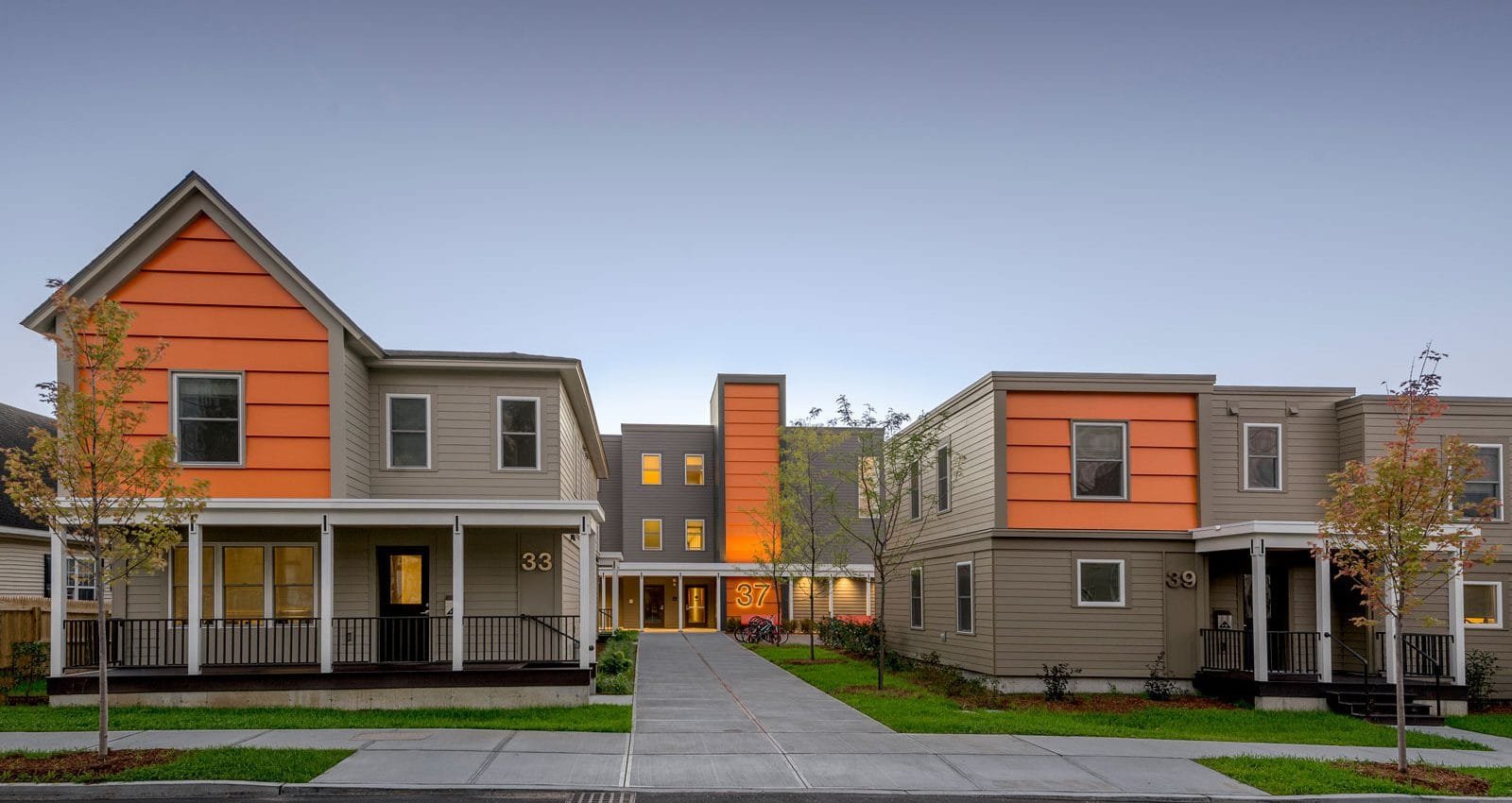
What Is Multifamily Housing? Types, Benefits & More | HAWK CR
When people think of a home, they often picture a single-family house. However, multifamily housing makes up a significant portion of the U.S. residential market, providing homes for millions of people while offering reliable investment opportunities.
From duplexes to large apartment communities, these properties are designed to accommodate multiple households within a single building or development. Understanding what qualifies as multifamily housing and how it differs from single-family properties is essential for investors, property managers, and developers. It also helps them better understand the responsibilities that come with owning and managing these properties.
This guide explores the different types of multifamily properties, their benefits, key regulations, and why proper maintenance and renovation are vital to protecting their long-term value.
What Is Multifamily Housing
Multifamily housing is any residential property built to accommodate two or more separate households at the same time. Unlike a single-family home, which is occupied by one household, multifamily buildings are divided into separate residential units. These units often share walls, hallways, parking areas, or outdoor spaces.
These properties are typically rented rather than owner-occupied, although some units may be privately owned. They range from small two-unit buildings to large apartment complexes with hundreds of residences. Multifamily real estate took a hit after the 2008 downturn, but it has since become one of the most resilient and sought after asset classes for investors and renters alike.
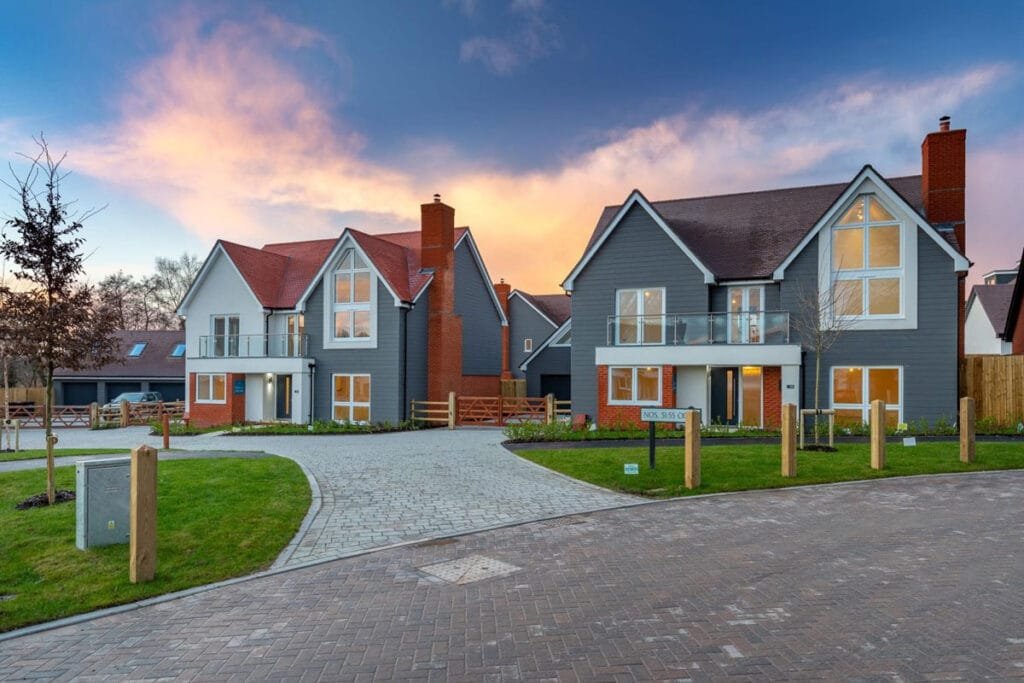
Common Types of Multifamily Properties
Condominiums
These developments consist of individually owned residential units within a shared building or community. Owners may choose to live in their units or rent them out to tenants.
Apartment Buildings
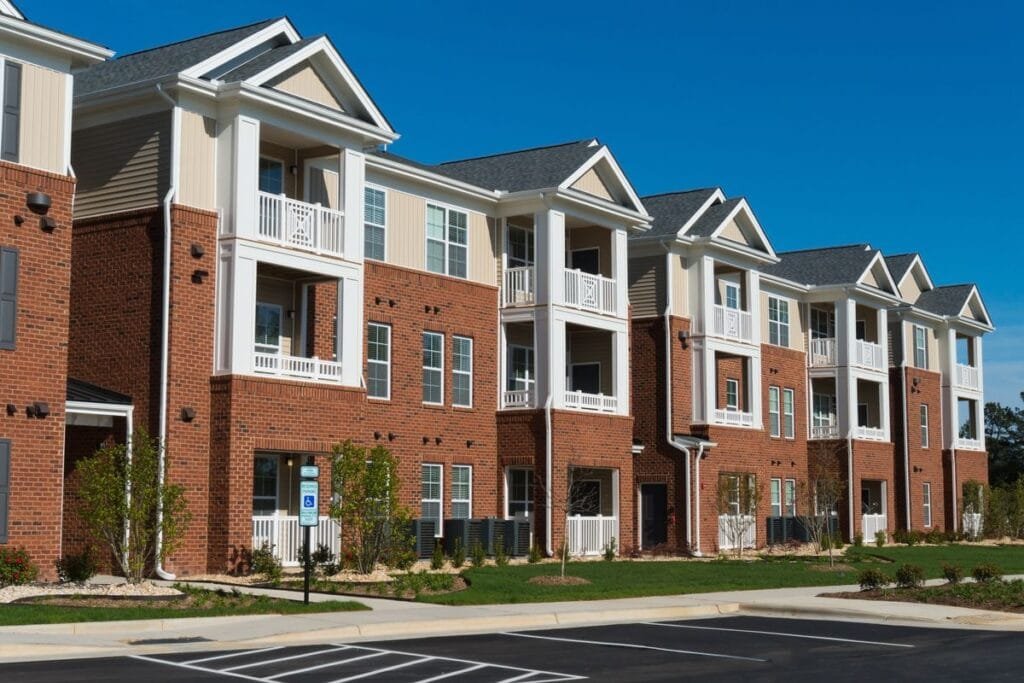
Apartment buildings contain multiple rental units, each with private living spaces such as bedrooms, bathrooms, and kitchens. Residents also share common amenities like lobbies, elevators, parking garages, and recreational areas.
Duplexes, Triplexes, and Fourplexes
These smaller multifamily properties include two, three, or four self-contained units within a single structure. Each unit typically has its own entrance while sharing walls, roofs, or other structural elements.
Garden-Style Apartments
Typically low-rise buildings surrounded by landscaped open spaces, these communities are most common in suburban areas. They often offer amenities such as courtyards, walking paths, and surface parking, creating a more spacious residential environment.
Why Multifamily Housing Is a Smart Investment
Multifamily housing provides advantages for both residents and property owners. From improving housing accessibility to generating more stable rental income, these properties offer practical benefits that make them a popular choice across the U.S. housing market.
- More Consistent Rental Income: Multiple occupied units reduce the financial impact of vacancies or missed rent payments from a single tenant.
- Lower Operating Costs Per Unit: Expenses such as maintenance, landscaping, and utilities can often be shared across multiple units, improving cost efficiency.
- Strong Rental Demand: Multifamily properties continue to attract renters, particularly in growing urban and suburban communities where housing demand remains high.
- Better Return on Investment: Rental income from several units can provide stronger cash flow and long-term appreciation than a single residential property.
- Efficient Property Management: Maintenance, repairs, inspections, and tenant communication can be managed through one coordinated system instead of multiple separate properties.
- Greater Housing Choice: Multifamily developments offer a range of unit sizes and price points, making housing accessible to families, professionals, students, and retirees.
- Shared Community Amenities: Many properties include features such as parking, fitness centres, green spaces, playgrounds, or community rooms that enhance residents’ quality of life.
- Scalability for Investors: Owners can expand their portfolios more efficiently by acquiring additional units within a single property rather than managing numerous standalone homes.
Challenges Owners Should Plan For
Multifamily ownership comes with its own set of demands. Noise, shared wear on common areas, and coordinating repairs across many occupied units are ongoing realities. For investors who own a single unit within a larger building, being at the mercy of a management company’s responsiveness can be a real concern.
Regular inspections, documented maintenance schedules, and move in or move out reports all help owners catch small problems before they become costly ones. Properties that fall behind on upkeep tend to lose tenants, value, and long term returns.
Key Regulations That Affect Multifamily Properties
Multifamily developers and owners operate under a layered set of federal, state, and local rules, including:
- Fair Housing Act: Prohibits discrimination based on race, religion, gender, national origin, or disability in the sale, rental, or financing of housing.
- Americans with Disabilities Act: Requires accessible design in common areas, including doorways, hallways, and shared facilities.
- Environmental Protection Agency Standards: Address hazards like lead based paint, asbestos, and radon inside residential buildings.
- HUD Regulations: Set the framework for federally supported housing, covering tenant eligibility, rent policies, and maintenance standards.
Staying compliant protects residents and shields owners from costly penalties or legal disputes down the road.
Why Certified Renovation Contractor Like HAWK CR Matter
Owning or managing a multifamily property is only part of the job. Preserving its long-term value requires ongoing renovations, regular maintenance, and compliance with changing building standards. This is where HAWK Construction and Renovation (HAWK CR) makes a difference.
HAWK CR is a state-certified multifamily contractor specialising in interior renovations, capital improvement projects, and deferred maintenance programmes without displacing residents. Renovating occupied buildings requires careful planning, clear communication with tenants, and experienced crews that minimise disruption while maintaining safety and project efficiency.
Whether your property needs unit turns, common area upgrades, or a large-scale capital improvement programme, partnering with a contractor that specialises in multifamily renovations helps reduce vacancy, improve resident satisfaction, and keep your property compliant and competitive.
Closing Notes
Multifamily housing plays an essential role in meeting housing demand while offering long-term value for property owners and investors. From duplexes and apartment buildings to large residential communities, multifamily properties require proactive management and regular maintenance.
Timely upgrades also help keep them safe, compliant, and attractive to current and future residents. Protecting a multifamily property’s value goes beyond collecting rent. Staying on top of repairs, following local regulations, and planning renovations at the right time can reduce costly issues and improve tenant satisfaction.
A strategic approach to property management and maintenance helps extend the lifespan of multifamily properties. It also keeps communities competitive, well-maintained, and better positioned to meet changing market demands.
Frequently Asked Questions
What qualifies a property as multifamily housing?
A property qualifies as multifamily if it is built or configured to house two or more separate households at once, each with its own living space. This includes everything from a simple duplex to a large apartment complex with hundreds of individual units.
Is multifamily housing a good investment?
Many investors favor multifamily housing because it spreads risk across multiple tenants rather than relying on a single household. Steady rental demand, shared maintenance costs, and strong historical performance since the 2008 downturn have made it an attractive, resilient asset class.
How often should multifamily properties be renovated?
There is no single timeline, but most owners plan capital improvements every ten to fifteen years, with deferred maintenance addressed continuously. Regular inspections help identify aging systems, code issues, or wear before they turn into larger, more expensive problems.
Can multifamily units be renovated while tenants still live there?
Yes! Experienced multifamily contractors, like HAWK CR, plan renovations in phases and coordinate closely with residents to minimize disruption. This allows owners to complete unit upgrades or capital improvements without forcing tenants to relocate or vacate during construction.