
What Does a General Contractor Handle?
Many property owners and developers often ask, what do general contractors do? A general contractor oversees every stage of a construction or renovation project, coordinating planning, scheduling, skilled trades, materials, and day-to-day site operations to keep everything moving efficiently.
Acting as the central point of communication, they keep contractors, suppliers, and clients aligned while ensuring work meets quality standards, complies with regulations, stays within budget, and progresses according to schedule. Their oversight helps minimise delays, reduce costly mistakes, and deliver a well-executed project from start to finish.
Understanding What General Contractors Do
Every successful construction project relies on more than skilled labour—it requires careful planning, seamless coordination, and proactive oversight. General contractors bring all these elements together, managing every stage of the project while keeping timelines, budgets, quality standards, and communication on track from start to finish.
- Project Planning & Coordination: Develop project schedules, allocate resources, and organise each construction phase for efficient execution.
- Subcontractor Management: Hire, schedule, and oversee specialised trades to ensure work is completed correctly and on time.
- Material Procurement: Source and coordinate the timely delivery of construction materials and equipment to avoid delays.
- Permit & Code Compliance: Secure required permits and ensure all work complies with local building codes and regulations.
- Quality Control: Inspect ongoing work, maintain workmanship standards, and address issues before they affect the project.
- Budget & Cost Management: Monitor project expenses, control costs, and help keep construction within the approved budget.
- Site Safety Oversight: Enforce safety procedures and maintain a secure working environment for everyone on site.
- Client Communication: Act as the central point of contact, providing regular updates and coordinating decisions between clients, suppliers, and subcontractors.
- Problem Solving: Resolve scheduling conflicts, unforeseen challenges, and construction issues to minimise delays and keep the project moving forward.
How Do General Contractors Manage Project Budgets
Keeping a construction project on budget requires more than preparing an estimate. General contractors continuously monitor costs, anticipate risks, and make informed decisions throughout the project to prevent unnecessary expenses while maintaining quality and progress.
- Prepare Detailed Cost Estimates: Break down projected expenses for labour, materials, equipment, permits, subcontractors, and contingencies before construction begins.
- Track Spending in Real Time: Compare actual costs against the budget throughout the project to identify and address potential overruns early.
- Source Cost-Effective Materials: Work with trusted suppliers to secure competitive pricing without compromising quality.
- Coordinate Subcontractors Efficiently: Schedule trades strategically to reduce downtime, avoid delays, and improve productivity.
- Manage Change Orders: Evaluate scope changes, communicate cost impacts, and obtain approvals before additional work begins.
- Plan for Unexpected Costs: Include contingency allowances to minimise financial disruptions caused by unforeseen site conditions or project changes.
- Maintain Transparent Reporting: Provide clients with regular budget updates, helping them make informed decisions throughout the construction process.
Types of Projects General Contractors Handle
General contractors oversee a wide variety of construction projects, adapting their management approach to meet the scope, complexity, and technical requirements of each job.
Residential Construction
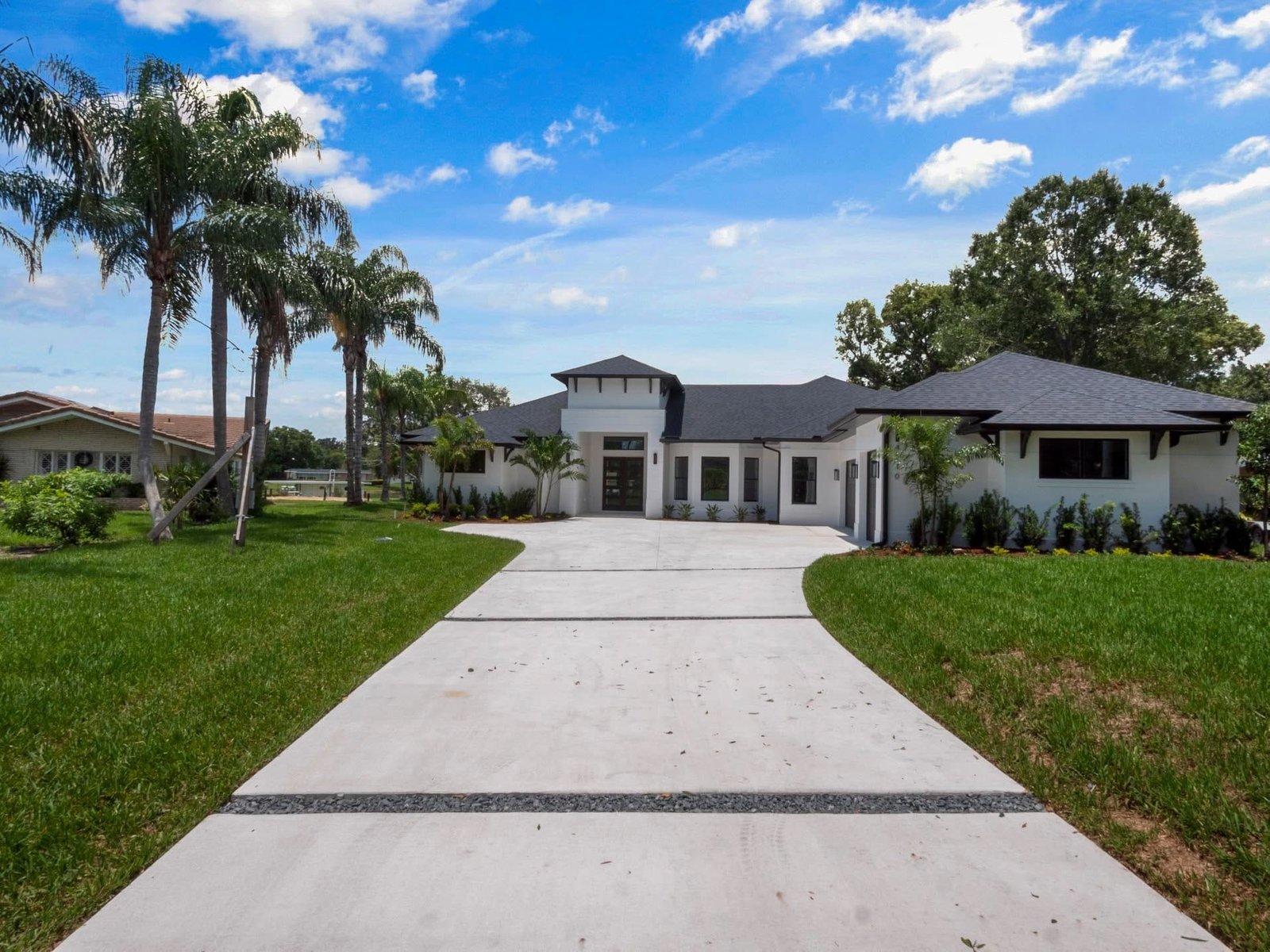
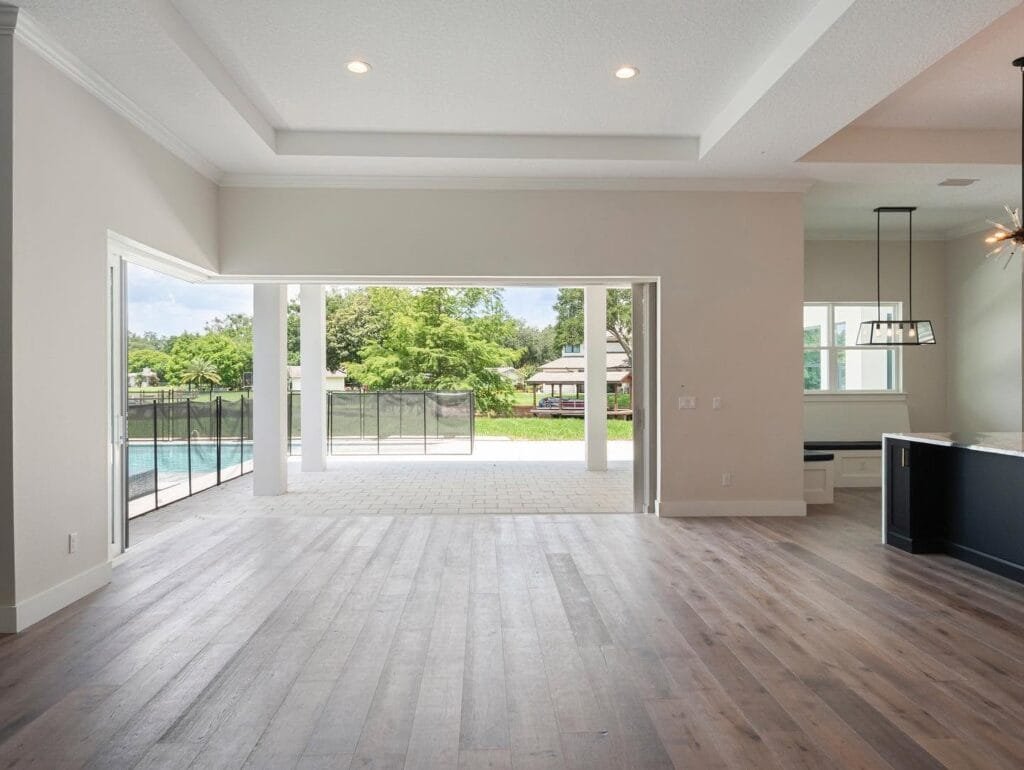
Residential projects include new home construction, additions, interior renovations, and major home improvements. General contractors coordinate trades, manage schedules, source materials, and ensure every phase complies with local building codes and safety requirements.
Commercial Construction
Commercial projects involve offices, retail spaces, hotels, warehouses, healthcare facilities, and other business properties. These developments require detailed planning, strict regulatory compliance, and careful coordination between multiple contractors, consultants, and suppliers.
Renovation & Remodeling
Renovation projects focus on improving existing spaces while minimising disruption to occupants. Whether updating interiors, reconfiguring layouts, or capital improvement, general contractors manage demolition, reconstruction, scheduling, and quality control from start to finish.
Specialized Construction
Some projects require specialised expertise, including healthcare facilities, educational institutions, laboratories, industrial buildings, and other technically demanding environments. These projects often involve unique construction standards, specialised systems, and enhanced safety and compliance requirements.
Do General Contractors Handle Permits and Inspections
Yes! One of a general contractor’s key responsibilities is managing the permitting and inspection process. They obtain the required permits before construction begins, coordinate inspections at each project milestone, and ensure all work complies with applicable building codes, zoning regulations, and safety standards.
If inspectors identify any deficiencies, the general contractor coordinates corrective work promptly to keep the project compliant and minimise delays. Their oversight helps reduce legal risks while ensuring the completed project meets all regulatory requirements before final approval.
Do General Contractors Provide Design Services
While general contractors primarily manage construction, many also offer design-build services or collaborate closely with architects, engineers, and interior designers. This integrated approach creates a smoother workflow by aligning design decisions with construction planning from the outset.
For projects requiring highly customised layouts or complex architectural solutions, contractors typically work alongside licensed design professionals to ensure the finished result is both functional and compliant. Combining design expertise with construction management often improves communication, reduces delays, and streamlines the entire project.

Qualifications Every Professional General Contractor Should Have
Choosing the right general contractor is one of the most important decisions in any construction project. Beyond technical knowledge, experienced contractors combine leadership, project management, regulatory expertise, and clear communication to deliver safe, efficient, and high-quality results.
Essential Qualifications
- Valid Licensing & Insurance: Holds all required licences and carries appropriate liability and workers’ compensation insurance.
- Construction Experience: Demonstrates proven success managing projects similar in size, scope, and complexity.
- Project Management Skills: Coordinates schedules, subcontractors, budgets, materials, and timelines efficiently.
- Knowledge of Building Codes: Understands local regulations, permitting requirements, and industry standards to ensure full compliance.
- Financial Management: Accurately estimates costs, controls budgets, and manages project resources responsibly.
- Leadership & Communication: Keeps clients, subcontractors, suppliers, and project teams informed throughout every phase.
- Problem-Solving Ability: Responds quickly to unexpected site conditions, material shortages, design revisions, and scheduling conflicts.
- Strong Reputation: Provides positive client references, a portfolio of completed projects, and a consistent record of quality workmanship.
Read More: General Contractor vs Home Contractor: What’s the Difference
General Contractor vs. Subcontractor: What’s the Difference?
Although they work together on the same project, general contractors and subcontractors have distinctly different responsibilities. Understanding these roles helps property owners know who manages the project and who performs the specialised work.
| General Contractor | Subcontractor |
| Oversees the entire construction project. | Performs a specific trade or specialised service. |
| Creates schedules and manages project timelines. | Completes assigned work according to the agreed schedule. |
| Hires and coordinates subcontractors. | Reports directly to the general contractor. |
| Manages budgets, contracts, permits, and inspections. | Focuses on delivering quality work within their area of expertise. |
| Acts as the client’s primary point of contact. | Usually has limited direct communication with the property owner. |
| Responsible for overall project completion. | Responsible only for their contracted scope of work. |
Why Both Roles Matter
A successful construction project depends on both roles working together. The general contractor provides overall leadership, planning, and coordination, while subcontractors contribute specialised expertise in areas such as electrical work, plumbing, roofing, HVAC, concrete, framing, or finishing. This collaboration helps ensure projects are completed safely, efficiently, and to a high standard.
Partner With Licensed Contractor for Reliable Construction Management
At Hawks CR, we deliver organised, transparent, and professionally managed construction solutions tailored to multifamily and commercial properties. From pre-construction planning and budgeting to subcontractor coordination, quality control, and final completion, our experienced team keeps every project moving efficiently while maintaining the highest standards of workmanship.
Whether you’re planning a renovation, capital improvement, or large-scale property upgrade, our company’s professionals are ready to help you complete your project with confidence. Get a free detailed consultation.
Frequently Asked Questions
How do general contractors maintain project quality?
They implement quality control throughout construction by supervising workmanship, inspecting completed work, selecting reliable subcontractors, and ensuring materials meet project specifications and industry standards.
What are the risks of hiring an unlicensed general contractor?
Unlicensed contractors may not meet legal or regulatory requirements, potentially leading to code violations, safety concerns, poor workmanship, project delays, and costly corrective work.
How do general contractors handle unexpected challenges?
Experienced contractors identify issues early, evaluate available solutions, coordinate with project stakeholders, and adjust schedules or resources while keeping clients informed of any cost or timeline impacts.
What should you ask before hiring a general contractor?
Ask about licensing, insurance, relevant project experience, references, estimated timelines, communication processes, warranty coverage, and how they manage change orders and unforeseen conditions.
How can you verify a contractor’s reputation?
Review recent client testimonials, request references, examine completed projects, verify licences and insurance, and check ratings through recognised industry organisations or local licensing authorities.