
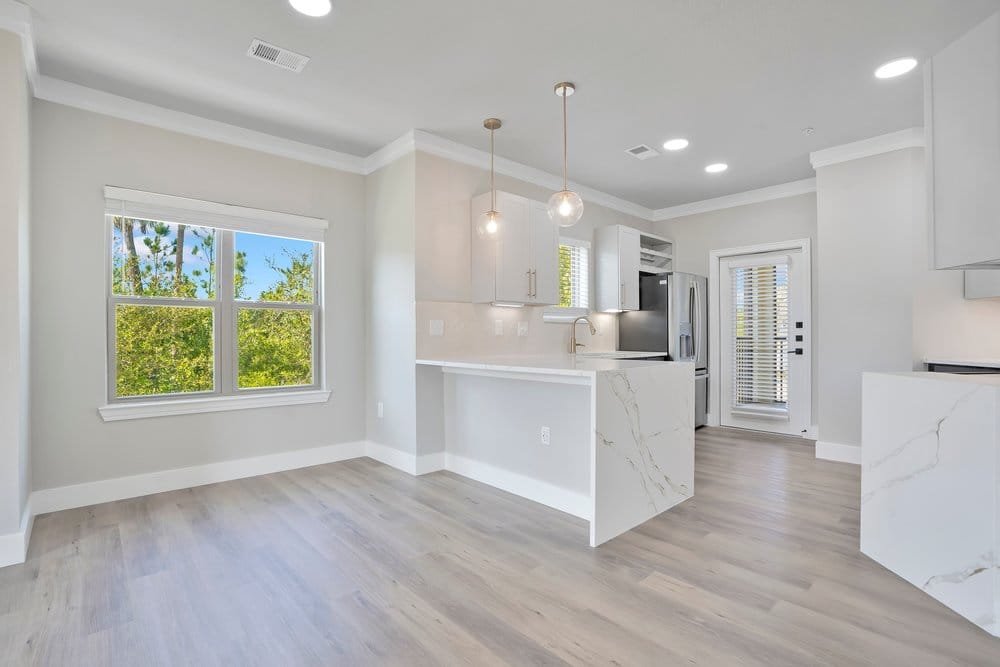
Florida Multifamily Interior Renovation Checklist: Guide for Owners and Investors
Renovating apartment interiors in Florida is one of the fastest ways to raise rents, reduce turnover, and lift the value of a multifamily asset, but only when the work is planned before the first wall comes down. At HAWK Construction & Renovation, we manage interior upgrades across apartment communities every day, and the projects that finish on time and on budget all share one trait: they start with a clear checklist.
This guide walks through a practical, step-by-step interior renovation checklist for multifamily apartment communities in Florida.
What a Multifamily Interior Renovation Checklist Should Cover
A complete Multifamily Apartment Renovation Checklist covers five things: the real condition of each unit, a defined scope of work, a budget with contingency, Florida-specific permits, and a realistic schedule.
Skip any one of them, and that is usually where a multifamily remodel starts losing money. Treat the steps below as your master home renovation checklist before you sign a contract or order a single box of flooring.
1. Inspect Every Unit Before You Plan
You cannot budget for what you have not seen. Walk every unit, not just a sample, and document the condition of cabinets, countertops, flooring, plumbing fixtures, electrical outlets, HVAC components, and water-damage signs. In a multi-family home renovation, two identical floor plans can need very different repairs depending on the tenant’s history.
Note which units are occupied and which are vacant. Vacant units come first because they generate no income and can be turned quickly. Photograph everything and log it in a spreadsheet so your scope and pricing are built on facts, not estimates.
2. Define the Scope and Set Priorities
Decide what level of upgrade each unit needs. Most communities fall into three tiers:
- Refresh: paint, hardware, light fixtures, and deep cleaning for units in good shape.
- Standard turn: new flooring, resurfaced or replaced cabinets, updated countertops, and modern lighting.
- Full renovation: gut-level work on kitchens and bathrooms, new appliances, and layout corrections.
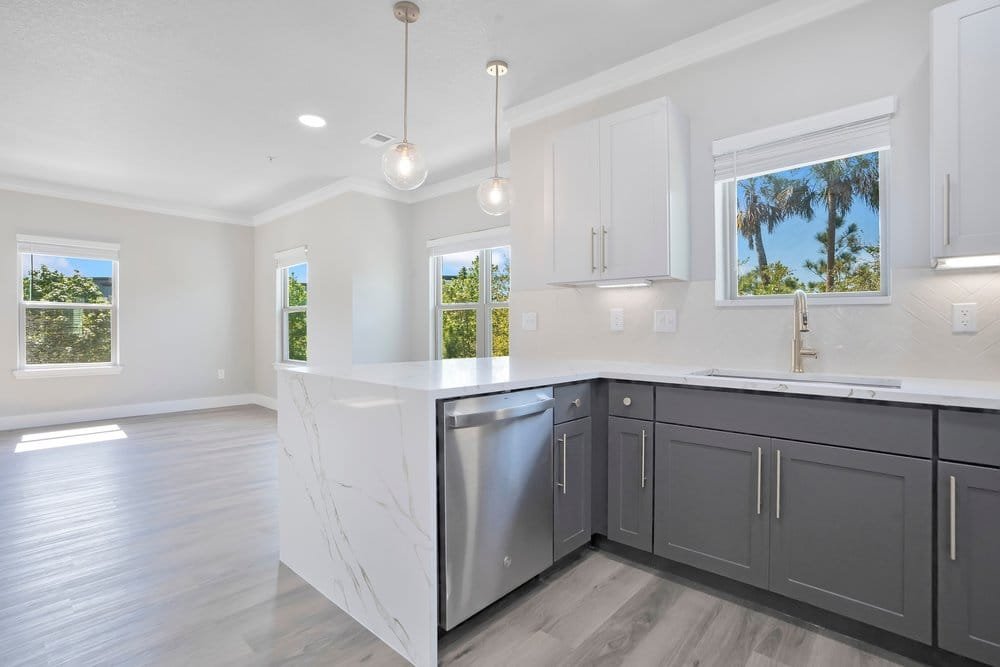
Prioritize the interior upgrades that tenants actually pay more for: kitchens, bathrooms, flooring, and in-unit lighting. A clear scope is the backbone of any house renovation checklist, and at the multifamily scale, it keeps dozens of units consistent instead of drifting unit by unit.
3. Build a Renovation Budget With Contingency
Price your scope by unit type, then total it across the property. Include materials, labor, dumpster and disposal fees, and permit costs. Critically, add a 10–15% contingency for hidden conditions. Florida properties frequently reveal moisture issues, outdated wiring, or subfloor rot once demolition begins.
Tie every dollar back to return. If a $9,000 kitchen-and-bath upgrade supports a $150 rent increase, that line item pays for itself in roughly five years and lifts the asset’s value far sooner. A budget without a payback target is just a wish list.
4. Confirm Florida Permits and Code Requirements
This is where many out-of-state investors stumble. Florida building codes and local permitting rules vary by county and municipality, and interior work involving electrical, plumbing, or structural changes usually requires permits and inspections. Before work begins, confirm:
- Which trades require permits in your jurisdiction?
- Whether the building falls under updated wind, electrical, or accessibility codes.
- Lead and asbestos protocols for properties built before 1978.
Pulling permits correctly protects you from stop-work orders, failed inspections, and resale complications later. A contractor who knows local code should handle this for you, but verify it is on the checklist.
5. How to Plan a Home Renovation Timeline
Understanding how to plan a home renovation timeline is what separates a smooth multifamily project from months of overruns. Sequence the work so trades flow logically: demolition, then rough plumbing and electrical, inspections, drywall and paint, flooring, cabinets and countertops, fixtures, and a final clean.
For occupied communities, stagger the schedule so you are never turning too many units at once. Map renovations against lease expirations and seasonal demand — turning units ahead of Florida’s strong leasing season protects occupancy. Build buffer days between phases for inspections and material delays, and your step-by-step home renovation checklist stays on track instead of compounding small slips into big ones.
6. Choose the Right Multifamily Contractor
A general contractor who renovates single-family homes is not automatically equipped for an apartment community. Multifamily work demands the ability to renovate occupied buildings, coordinate tenant access, manage volume pricing, and keep a dozen units moving at once.
Look for a partner with proven value-add multifamily experience, strong local vendor relationships, and fluency in Florida permitting. Specialized interior renovation services built for multifamily keep quality consistent across every unit and prevent the budget creep that comes from juggling multiple unvetted subcontractors.
What Owners Need to Know Before Remodeling
Before any renovation begins, remember that the lowest bid rarely delivers the strongest long-term return. Successful multifamily renovations are built on careful planning, quality execution, and informed decisions made prior to construction.
- Thorough Unit Inspections: Identify hidden maintenance issues early to avoid costly surprises, change orders, and project delays later.
- Realistic Budget Planning: Include contingency funds for unforeseen conditions that commonly emerge during demolition and renovation work.
- Strategic Upgrade Priorities: Focus investments on kitchens, bathrooms, flooring, and lighting that tenants value most and notice.
- Permit Compliance Requirements: Verify permits and inspections upfront to prevent fines, delays, failed inspections, and legal complications.
- Qualified Contractor Selection: Choose experienced multifamily specialists in Florida capable of managing schedules, tenants, and large-scale renovations effectively.
- Long-Term Cost Evaluation: Consider lifecycle value instead of upfront pricing when comparing materials, finishes, and construction methods.
- Occupancy Impact Planning: Coordinate renovation schedules carefully to minimize vacancies, tenant disruptions, and lost rental income.
- Consistent Scope Management: Define project expectations clearly to reduce misunderstandings, budget overruns, and unnecessary scope changes.
- Return On Investment: Evaluate every renovation decision based on potential rent growth, retention improvements, and property value.
- Early Decision Making: Resolve design, material, and scheduling choices before construction to avoid expensive mid-project adjustments.
Get a Renovation Plan Designed Around Your Investment Goals
Planning a multifamily remodel in Florida and want it done right the first time? HAWK Construction & Renovation specializes in transforming underperforming apartment communities into high-performing assets with renovations that respect your budget, your timeline, and your tenants. Contact our team today for a walkthrough and a clear, unit-by-unit renovation plan built around your investment goals.
Frequently Asked Questions
How long does a multifamily interior renovation take?
A single unit turn typically runs one to three weeks, depending on the scope. A full community is phased over months, with vacant units completed first and occupied units scheduled around lease cycles.
What interior upgrades add the most value in apartment renovation?
When renovating an apartment, the most profitable improvements are often the ones that enhance appearance, functionality, and tenant appeal without requiring major structural work. Strategic interior upgrades can increase rental value, attract quality tenants, and deliver a stronger return on investment while keeping renovation costs under control. Some of the highest-value apartment interior upgrades include:
- Modernize the Flooring
- Apply a Neutral Paint Palette
- Kitchen Mini-Upgrades
- Bathroom Refurbishments
- Smart Home Technology
- Updated Lighting Throughout
Do I need permits for interior apartment renovations in Florida?
Usually, yes for electrical, plumbing, and structural work. Cosmetic refreshes, such as painting and hardware, often do not require permits, but confirm with your local building department before starting.
How to plan a home interior renovation timeline in Florida?
A well-structured renovation timeline starts with proper planning before any work begins. Break the project into phases such as inspection, permitting, demolition, rough work, finishing, and final walkthrough. Coordinate schedules around permit approvals, material delivery times, and Florida’s seasonal demand. For multifamily properties, always phase work unit-by-unit to minimize vacancy loss and tenant disruption.
What factors can delay an interior renovation project in Florida?
Renovation delays often occur due to poor planning, permit approval issues, material shortages, or unexpected structural problems uncovered during demolition. Weather disruptions, inspection scheduling delays, and changes in project scope can also extend timelines. Working with an experienced Florida contractor who understands local codes and logistics helps reduce these risks significantly.