
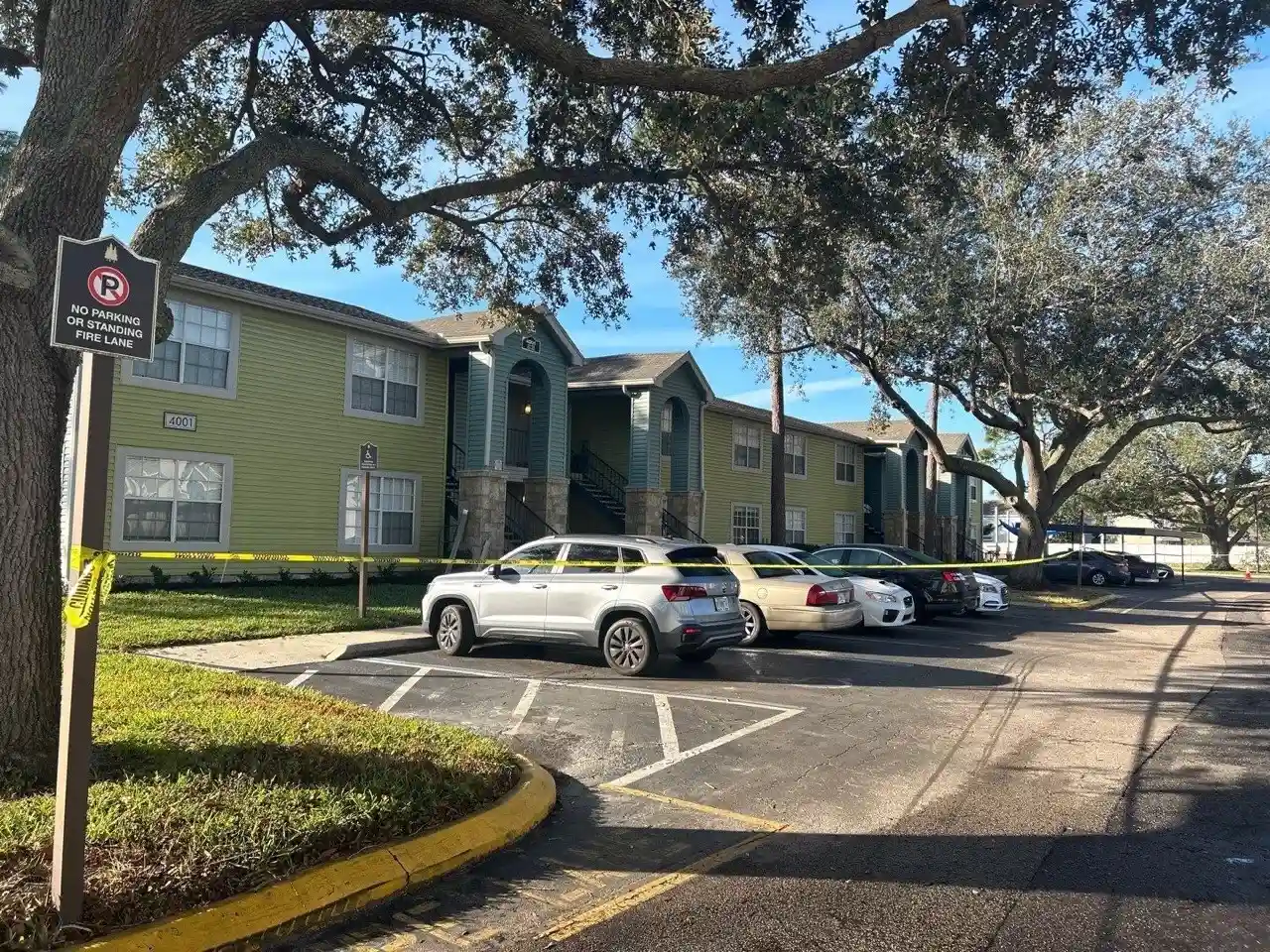
A Practical Apartment Unit Turn Checklist for Multifamily Managers
An apartment unit turn involves more than cleaning an empty apartment and touching up the paint. Property managers must coordinate inspections, repairs, contractors, maintenance teams, and leasing staff to prepare each unit for its next resident. Missing one step can lead to repeat work, unexpected expenses, and delayed move-ins.
A consistent apartment unit turn checklist helps teams understand what needs attention, who is responsible, and when each task should be completed. It also creates a clear record of property conditions, repairs, and outstanding issues that need approval before handover.
Use this guide to establish a repeatable turnover process that protects property condition, controls costs, and supports leasing schedules across your multifamily portfolio.
Apartment Unit Turn Checklist: From Move-Out to Move-In
The most reliable turnover process starts before the apartment becomes vacant and ends only after someone verifies that every required task is complete. Follow these ten steps in sequence, adjusting the scope to the unit’s condition, property standards, and upcoming move-in date.
1. Open the Turn Work Order Early
Set the workflow in motion as soon as a notice is confirmed.
- Log the move-out date, access instructions, keys, and open maintenance requests.
- Assign a coordinator and create a work order with a target handover date.
- Alert leasing early, but confirm availability only after final approval.
2. Inspect and Document the Unit’s Condition
Use the inspection to establish the apartment’s condition before repair crews begin.
- Photograph every room, fixture, appliance, floor, wall, window, and door.
- Document existing damage, normal wear, missing items, and open work orders.
- Compare findings with move-in records and property standards before assessing resident charges.
3. Finalize the Scope, Budget, and Schedule
Turn inspection findings into a practical plan you can price and schedule.
- Separate safety or water risks from cosmetic work and optional upgrades.
- Confirm material quantities, labor, vendor access, approvals, and contingency allowances.
- For larger projects, use this apartment renovation timeline guide to plan scope-specific milestones.
4. Clear the Apartment and Check for Pests
Remove loose belongings and debris before repair crews arrive.
- Follow the lease and applicable local rules for abandoned belongings.
- Check cabinets, sinks, baseboards, and utility areas for signs of pest activity.
- Arrange appropriate treatment and allow required clearance before finishing work.
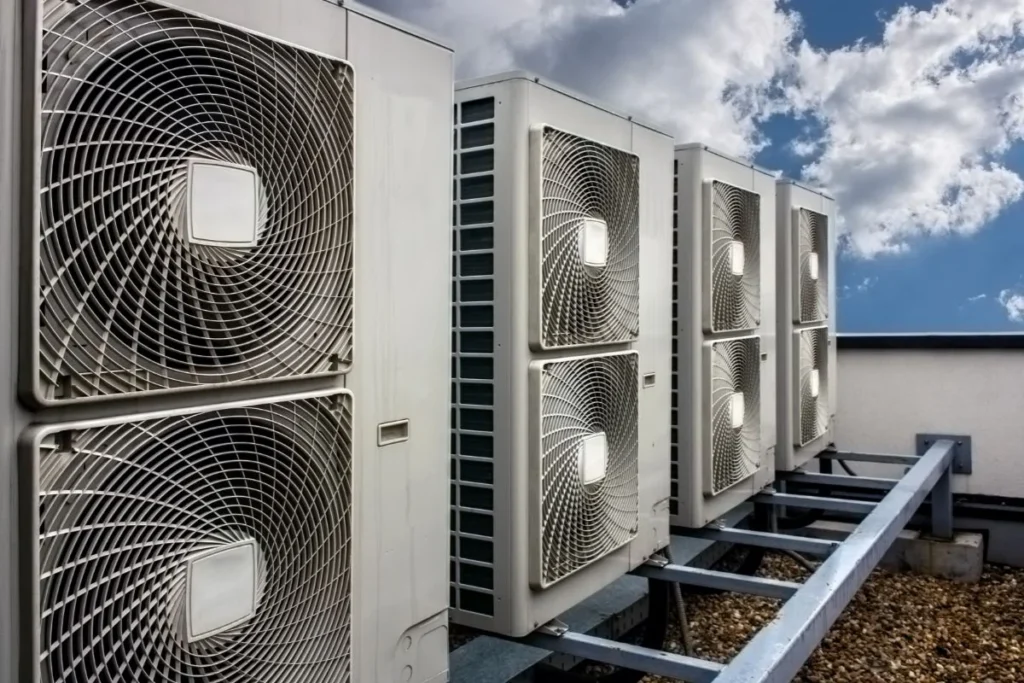
5. Address Plumbing, Electrical, and HVAC Issues
Address functional problems before closing walls or installing new finishes.
- Test faucets, drains, toilets, lights, outlets, HVAC modes, airflow, and filters.
- Check for visible leaks, moisture, electrical issues, and required life-safety devices.
- Escalate specialist work through multifamily deferred maintenance services when problems extend beyond routine touch-ups.
6. Complete Wall, Carpentry, and Paint Repairs
Complete repairs that affect finish quality and safe daily use.
- Patch drywall, tighten hinges, align cabinets, and repair damaged trim.
- Investigate cracks or signs of moisture before covering them with paint or caulk.
- Repaint consistently using approved colors, finishes, and surface preparation methods.
7. Inspect Flooring, Fixtures, and Appliances
Use the approved scope to decide what to clean, repair, or replace.
- Inspect carpet, hard flooring, grout, thresholds, countertops, doors, and drawer hardware.
- Test supplied refrigerators, ranges, ovens, dishwashers, microwaves, and laundry equipment.
- Follow the property’s interior renovation standards to keep finishes consistent across units.
8. Deep Clean Every Room
Clean after dusty and wet work is finished, not before it.
- Sanitize kitchens, bathrooms, sinks, cabinets, appliance interiors, and frequently touched surfaces.
- Clean glass, window tracks, blinds, vents, baseboards, and floor edges.
- Investigate smoke, pet, sewage, or damp odors rather than masking them with fragrance.
9. Secure Access and Test Safety Devices
Secure the apartment and confirm its access features work correctly.
- Rekey locks or reset approved smart lock codes between residents.
- Test windows, latches, closet doors, blinds, entry hardware, and intercoms.
- Check smoke and carbon monoxide alarms and other required devices against applicable codes and property policy.
10. Complete Final QA and Sign-Off
Do not release the apartment based on visual appearance alone.
- Walk the entire apartment against the approved scope and verify completed work orders.
- Run final system and appliance tests, confirm cleaning, and record relevant meter readings.
- Save dated photos, approvals, warranties, and outstanding exclusions before signing off.
Choose the Right Turn Standard for Each Apartment
Not every vacancy requires the same level of work. A consistent turn standard helps property managers control spending without missing defects or unnecessarily upgrading units.
Standard Make-Ready
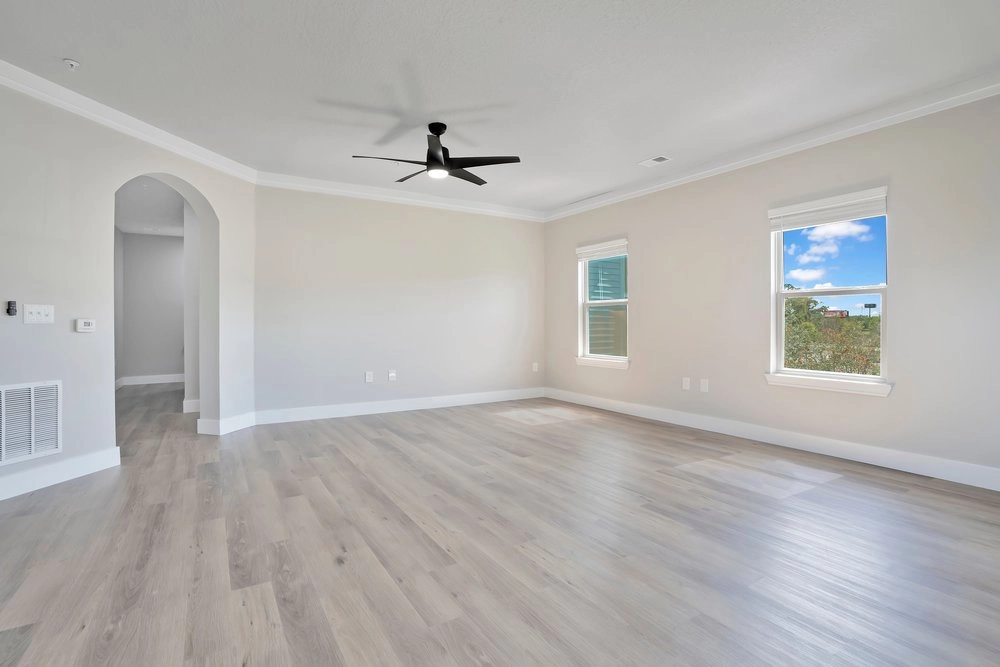
Use this level when the apartment remains in good condition. Work typically includes cleaning, minor paint touch-ups, routine hardware replacement, basic repairs, and required system checks. The goal is to restore the unit to the property’s established rental standard without adding unnecessary improvements.
Enhanced Refresh
Choose an enhanced refresh when several finishes show wear, but the apartment doesn’t need a full renovation. Depending on the approved scope, work may include repainting, flooring replacement, new fixtures, cabinet repairs, or updated lighting.
Renovation-Level Turn
A renovation-level turn is appropriate when outdated interiors, damaged components, or recurring system failures require broader work. Larger scopes need coordinated trades, material procurement, and appropriate approvals. HAWK’s capital improvement services can support qualifying projects that extend beyond routine make-ready work.
The key decision: Classify the work after inspection, not from the unit’s appearance alone. This helps managers distinguish routine turnover expenses from capital projects and allocate the correct budget.
How to Reduce Vacancy Days Without Rushing Repairs
Reducing vacancy time requires better coordination, not simply asking maintenance teams to work faster. Delays often happen when materials are unavailable, vendors arrive out of sequence, approval decisions remain open, or multiple people assume someone else owns a task. Use the following practices to keep work moving:
- Prepare Materials in Advance: Keep approved product specifications, commonly used hardware, paint references, and replacement items on hand. Check availability before committing to a schedule.
- Sequence Trades Correctly: Complete demolition and underlying repairs before paint, flooring, and final cleaning. Avoid bringing crews back because a preceding task was missed.
- Set Decision Deadlines: Assign an approver for replacement decisions, unexpected damage, and work outside the original scope. Require prompt escalation when costs or timelines change.
- Hold Brief Daily Reviews: Compare planned tasks with completed work, identify blocked activities, and confirm which trade needs access next.
- Separate Critical Work from Optional Upgrades: Address safety and functional defects first. Evaluate discretionary improvements against budget, property standards, and leasing priorities.
For a single apartment, a small delay may seem manageable. Across a community with several simultaneous vacancies, repeated delays can reduce available inventory and increase lost rental income. A standardized workflow gives managers better control over both individual turns and portfolio-wide production.
Assign Clear Responsibilities Across the Turnover Team
A checklist only works when every task has an owner. Without defined responsibilities, leasing may assume maintenance has finished, vendors may wait for approvals, and the property manager may discover incomplete work on move-in day. Use a simple responsibility structure before work begins.
| Team member | Primary responsibility |
| Property Manager | Approves scope, budget exceptions, and final readiness |
| Leasing Team | Coordinates dates, listing preparation, and resident communication |
| Maintenance Supervisor | Inspects conditions, assigns work orders, and tracks completion |
| Technicians and Contractors | Complete assigned repairs and report deficiencies |
| Quality Control Reviewer | Verifies the completed scope and documents outstanding items |
One person may cover several roles at smaller properties. What matters is that each task has a clear owner, a completion target, and a defined approval process.
For large projects or repeated turnovers across multiple buildings, HAWK’s multifamily renovation services provide a broader framework for coordinating interior work, capital improvements, and maintenance needs.
Read More: 15 Questions for a Multifamily Renovation Contractor
Track Unit Turn Performance Across the Portfolio
A turnover checklist becomes more valuable when managers use the resulting records to identify patterns. Tracking completion times, costs, defects, and repeat maintenance issues reveals where the process needs improvement. Start with these performance measures:
- Turnaround Time: Record the number of days from taking possession of the vacant unit to achieving approved rent-ready status. Track waiting time separately where possible.
- Cost Per Turn: Compare labor, materials, contractor charges, and replacement costs by unit type and scope category.
- First-pass Inspection Rate: Measure how often a unit passes final QA without requiring additional corrective work.
- Rework Frequency: Track recurring defects and callbacks after handover to identify missed inspections or inconsistent workmanship.
- Trade Delays: Record time lost while waiting for materials, approvals, or contractor availability.
Review these figures regularly instead of relying on a monthly average alone. A community’s studio apartments may have different requirements from larger family units. Separating routine make-ready work from renovation-level projects creates more useful comparisons.
The results can also support purchasing decisions, preventive maintenance plans, and future capital budgets. When the same issue keeps appearing across several units, investigate the underlying cause instead of treating each occurrence as an isolated repair.
When Does a Unit Turn Require a Larger Project Scope
Some problems cannot be resolved through routine turnover work. Repeated plumbing failures, deteriorating flooring across many apartments, damaged building components, or aging systems may indicate a wider maintenance or renovation requirement. Property managers should look beyond the immediate vacancy when they identify:
- Multiple apartments reporting the same defect.
- Repairs that repeatedly fail or require follow-up visits.
- Widespread wear that makes individual patch repairs inconsistent.
- Building systems approaching planned replacement.
- Work that may require permits, specialist contractors, or additional inspections.
Document these findings and separate them from the apartment’s standard make-ready scope. This lets the ownership team decide whether a targeted repair, coordinated interior renovation project, or broader maintenance program is the best next step.
The distinction matters because a quick cosmetic repair doesn’t resolve an underlying building issue. A well-managed turnover process should identify both the work needed for immediate occupancy and the larger risks that require a separate plan.
Prepare Your Multifamily Units for a More Predictable Handover
If recurring repairs, inconsistent finishes, or unit delays are stretching your make-ready process, a broader project scope may be needed. HAWK Construction and Renovation works with multifamily owners and managers on interior upgrades, deferred maintenance, and capital improvement programs.
Share your property’s condition, unit count, priorities, and target dates to discuss a scope built around leasing operations and long-term asset needs. Contact HAWK’s renovation team to begin the conversation.
Conclusion
A successful apartment unit turn means the next resident receives a clean, safe, functional home and the property team has proof the work meets its standards. That result takes more than a quick paint and clean. It depends on early scoping, trade sequencing, a clear owner for every task, and a final inspection that checks performance as well as appearance.
A repeatable checklist gives managers the same baseline across floor plans and buildings while leaving room for unit-specific defects. It also separates ordinary wear from damage, identifies recurring system failures, and captures cost and schedule information that informs future budgets.
When an issue requires specialist work, document it rather than hiding it under a new finish. Review the process after each turn. Use rework, cost, and vacancy trends to update standards before the next move-out arrives.
Frequently Asked Questions
Should property managers advertise an apartment before turnover work is complete?
Leasing teams can prepare marketing materials and coordinate prospective move-ins while work is underway. Availability dates should reflect the remaining scope, realistic completion targets, and final approval requirements. Clear communication helps prevent avoidable scheduling conflicts.
How should managers compare apartment turn costs between units?
Compare labor, materials, contractor charges, and replacement expenses by floor plan and work category. Separate routine make-ready costs from major repairs and renovations. This creates more useful budgets than comparing total expenses across apartments with different conditions.
What should managers do with belongings left behind after move-out?
Follow the lease, applicable state and local requirements, and the property’s established abandoned-property procedure. Document the items and relevant dates before taking action. Do not assume belongings can be discarded immediately after the resident leaves.
Can one turnover checklist work for every apartment layout?
Yes, as long as the checklist includes a common core and unit-specific additions. Every apartment should receive the same basic inspection and approval process, while units with different appliances, HVAC equipment, balconies, laundry facilities, or access systems receive the checks relevant to those features.
How can repeated turnover defects inform future maintenance budgets?
Review work orders across multiple turns and group repeat issues by component, building, and approximate equipment age. Recurring failures may indicate that targeted repairs or planned replacements deserve priority. Documented patterns provide a stronger basis for budgeting than isolated repair requests.
What multifamily renovation projects does HAWK Construction and Renovation handle?
HAWK Construction and Renovation supports multifamily owners and property managers with apartment interior renovations, capital improvement projects, and deferred maintenance. Project scopes can include flooring, painting, cabinetry, plumbing, electrical work, HVAC Systems, and broader property upgrades, depending on the requirements.