Multifamily Capital Improvement Planning: Strategic Asset Repositioning for Florida Portfolios
Major replacements rarely arrive at a convenient time. A roof nearing the end of its service life, failing pavement, outdated exterior lighting, and worn apartment interiors can compete for the same limited capital. Reactive decisions often lead to rushed scopes, premium pricing, and avoidable disruption.
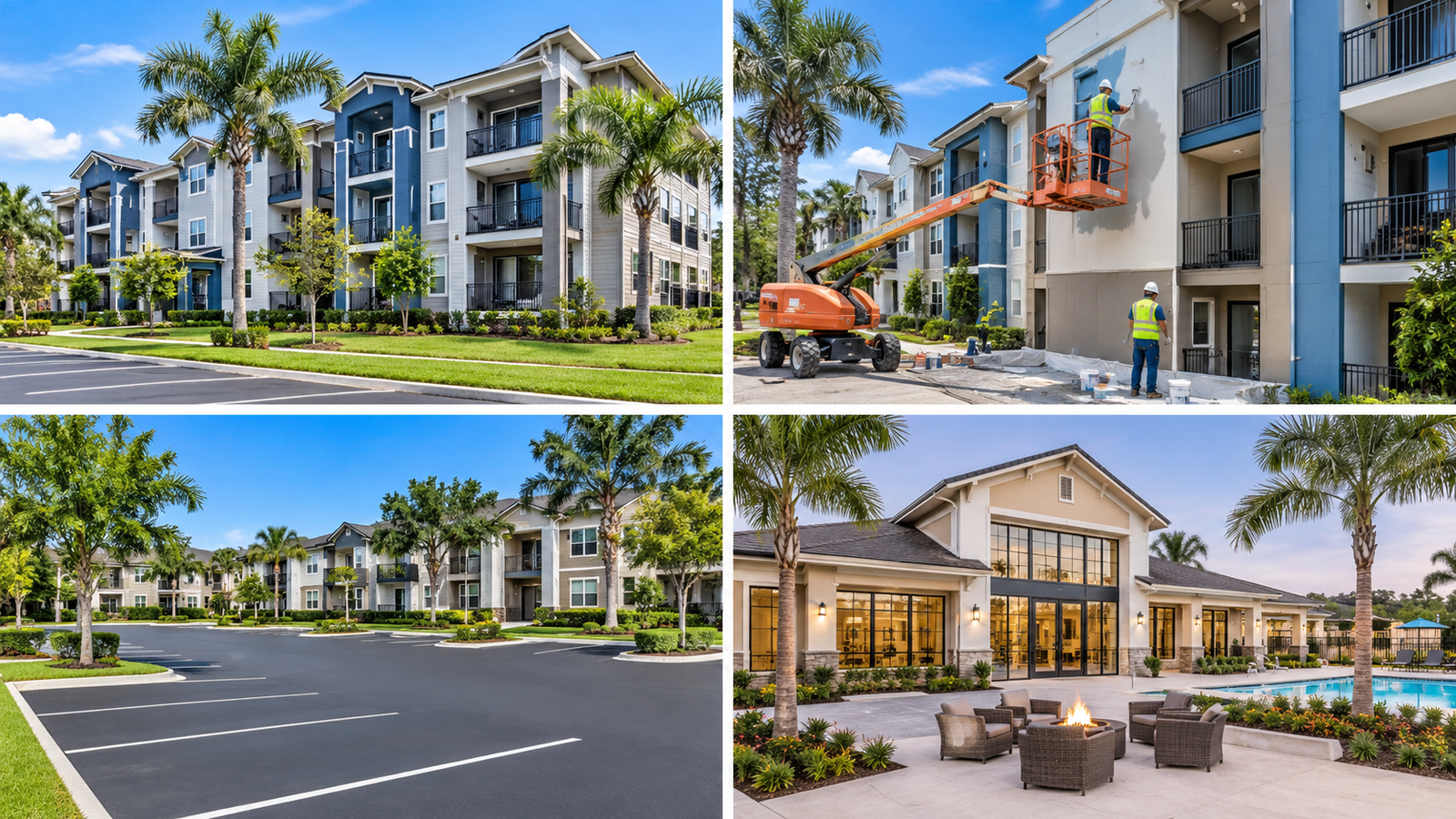
Multifamily capital improvement planning gives owners a repeatable way to assess property needs, rank projects, forecast costs, and schedule work across Florida communities. It connects each investment to asset condition, resident needs, leasing goals, and expected operating impact.
For Florida portfolios, the plan must also account for heat, humidity, storms, local code requirements, and procurement lead times. HAWK Construction and Renovation helps owners translate approved priorities into coordinated construction scopes.
What Qualifies as a Multifamily Capital Improvement
A multifamily capital improvement is a planned investment that upgrades a major property component, extends its useful life, improves building performance, or supports a different level of asset functionality.
These projects generally require more planning than routine maintenance. They often involve several trades, larger budgets, procurement schedules, contractor coordination, and construction milestones. For apartment owners, common capital improvement categories include:
| Category | Typical Projects | Primary Investment Goal |
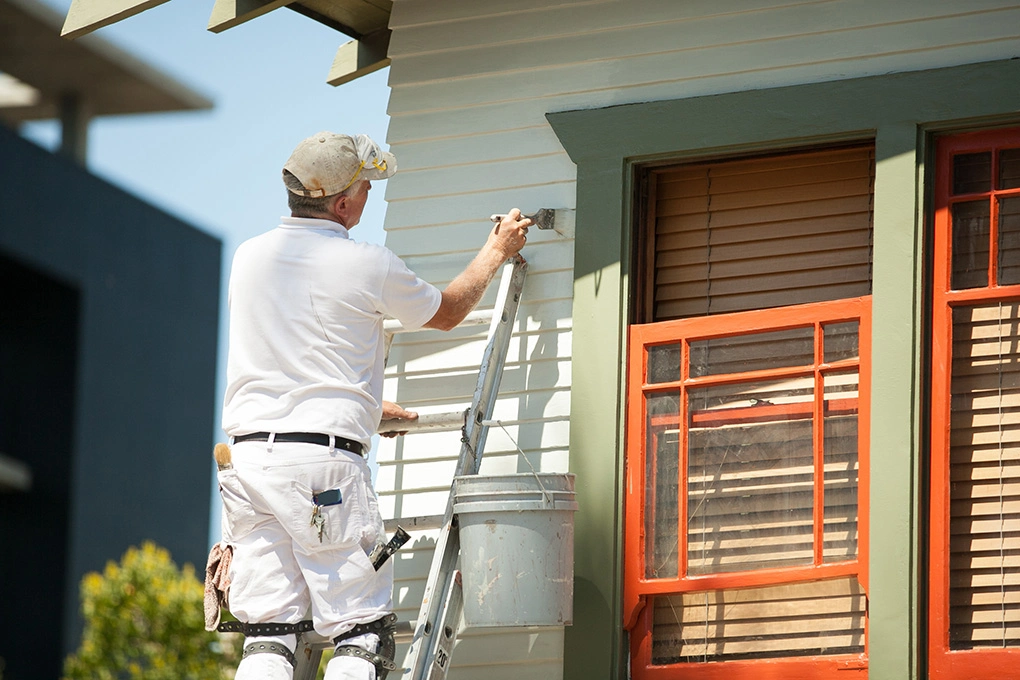
| Roofing and exteriors | Roof replacement, siding, stucco, exterior painting | Protect building condition and improve curb appeal |
| Parking and site improvements | Asphalt milling, resurfacing, sealcoating, striping, drainage | Improve access, safety, and property appearance |
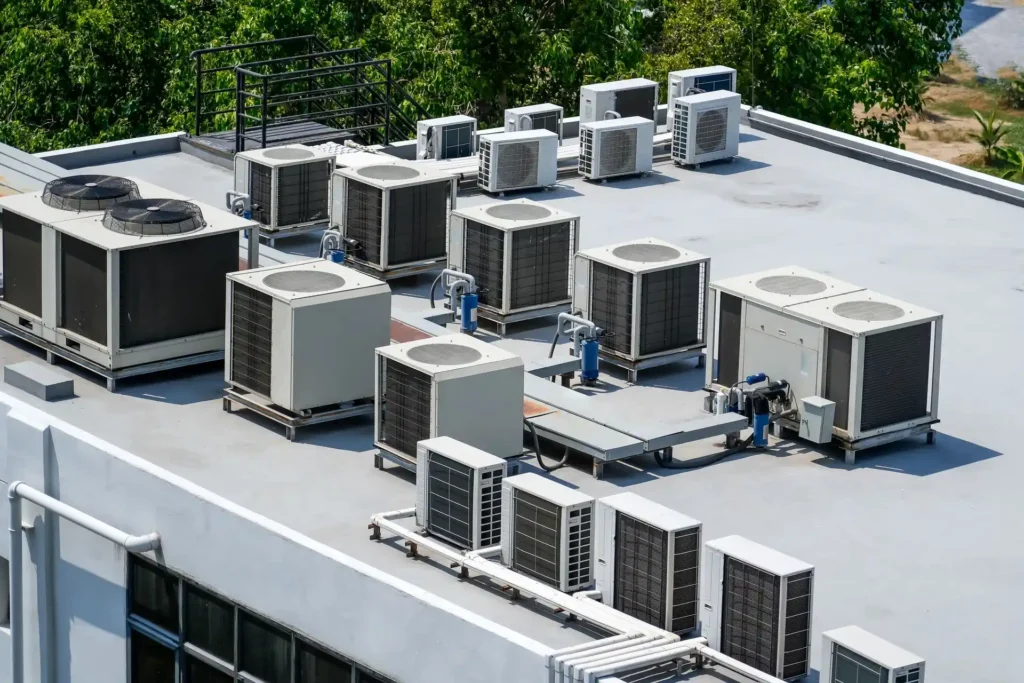
| Building systems | HVAC replacement, electrical panel upgrades, water heaters | Support dependable building operations |
| Shared amenities | Clubhouse renovations, pool decks, walkways, pavers | Improve resident experience and community appeal |
| Apartment interiors | Flooring, cabinetry, countertops, lighting, bathroom upgrades | Modernize units and support leasing objectives |
Capital Expenditures vs. Operating Expenses
Understanding the difference between CapEx and operating expenses (OpEx) helps owners prepare accurate budgets. Capital expenditures generally cover major improvements and replacements with benefits that extend beyond the current operating period. Operating expenses cover recurring costs required to run the property. For example:
- Capital Expenditure: Replacing an aging commercial roof or upgrading electrical distribution panels.
- Operating Expense: Routine landscaping, regular cleaning, minor plumbing repairs, and recurring maintenance.
- Project Requiring Review: Replacing damaged flooring in several units may form part of a broader renovation program. The exact accounting treatment depends on the work performed and applicable tax rules.
The Internal Revenue Service uses a facts and circumstances approach to distinguish repairs from improvements. Its tangible property regulations examine whether work constitutes a betterment, restoration, or adaptation to a new use. Building structures and key systems receive separate consideration in this analysis.
Owners should therefore separate construction planning from tax classification. Your accounting team should review the project’s treatment before finalizing financial reporting.
Florida Factors That Should Shape Your CapEx Strategy
Florida apartment communities face building conditions that can influence replacement schedules, material selection, and construction priorities. A scope that works for an inland property may need different specifications for a coastal community. Your property CapEx planning in Florida should consider the following factors.
- Hurricane and Wind Exposure
Wind exposure can affect roofing, exterior finishes, windows, doors, and other building components. Owners should review the condition of roof coverings, connections, exterior openings, and vulnerable building areas before approving cosmetic improvements.
The Florida Division of Emergency Management highlights the importance of maintaining roof systems, hurricane straps, windows, and doors as part of hurricane preparation. Its hurricane planning guidance provides useful considerations for property protection.
For multifamily owners, this means prioritizing building protection before investing in appearance upgrades that may need to be repeated after preventable damage.
- Humidity, Rainfall, and Moisture Exposure
High humidity and recurring rainfall can place pressure on exterior coatings, drainage systems, roofing, and moisture-sensitive building materials. Review properties for:
- Roof deterioration, damaged flashing, and recurring leaks.
- Water accumulation near foundations and walkways.
- Cracked stucco, damaged siding, and deteriorating exterior finishes.
- Moisture issues around windows, balconies, and shared areas.
- Plumbing leaks that could damage apartment interiors.
Address the source of moisture before repainting or replacing interior finishes. Otherwise, the same problem may return and increase the total project cost.
- Heat, Sunlight, and Coastal Conditions
Direct sunlight and high temperatures can affect exterior finishes, roofing materials, pavement, and mechanical equipment.
Coastal communities may also experience additional exposure to salt air, which can accelerate corrosion on certain metal components. When comparing materials, consider:
- Manufacturer recommendations for the property’s exposure conditions.
- Resistance to moisture, corrosion, and UV deterioration.
- Maintenance requirements over the expected service period.
- Product availability and replacement compatibility.
- Warranty conditions and installation requirements.
A lower purchase price does not always represent a lower ownership cost. Material durability and maintenance frequency should form part of the selection process.
- Florida Building Code and Permit Requirements
Code compliance should form part of the project assessment, especially when work involves structural components, roofing, electrical systems, plumbing, or major mechanical replacements.
The Florida Building Commission’s 2026 Florida Building Code resources identify the 9th Edition (2026) and its supporting materials. The new edition is scheduled to take effect on December 31, 2026.
Owners should confirm the applicable code edition, local amendments, permit requirements, and product approvals based on the actual project submission date. Reviewing these requirements before procurement can prevent rejected materials, redesigns, and avoidable scheduling changes.
Aligning Capital Improvements with Asset Repositioning Goals
Capital investment should support a defined property objective. Spending money on upgrades simply because a building looks dated can lead to improvements that fail to address the asset’s most important needs. A stronger approach connects each proposed project to the community’s current position and future operating goals.
Assess Each Property Before Selecting Improvements
Start with a property-level review of physical condition, maintenance history, leasing performance, and resident feedback. Consider these questions:
- Which building components are approaching replacement?
- Where do recurring repairs consume the maintenance budget?
- Which property features receive the most resident complaints?
- Are vacant units taking longer to prepare for new tenants?
- Does the community need exterior improvements to remain competitive?
- Which upgrades could support achievable rent levels or stronger retention?
These findings help owners identify the difference between essential replacements and discretionary improvements.
For example, an older apartment community may have attractive interiors but deteriorating parking areas and damaged exterior finishes. Spending the entire budget on kitchen upgrades may not address the property’s biggest operational or leasing concerns.
A coordinated approach could prioritize pavement and exterior work first, followed by targeted interior upgrades.
Prioritize Improvements by Investment Objective
Different assets require different improvement strategies. A property undergoing repositioning may need more extensive upgrades than a stabilized community with limited maintenance concerns. Consider these examples:
- For Aging Properties: Prioritize roofing, exterior repairs, HVAC replacements, and plumbing improvements. These projects address physical deterioration and reduce the risk of recurring problems.
- For Underperforming Communities: Review common areas, apartment interiors, parking, lighting, and amenities. Target improvements that address weaknesses affecting resident satisfaction and leasing performance.
- For Stabilized Assets: Focus on planned replacements, energy performance, exterior protection, and preventive capital work. The objective is to preserve current performance without unnecessary construction.
- For Recently Acquired Properties: Compare acquisition assumptions with actual property conditions. Identify deferred work, confirm the renovation budget, and separate immediate requirements from later value-adding projects.
This approach makes multifamily asset repositioning more deliberate. Every improvement should have a clear reason, an approved scope, and a measurable outcome.
Create a Consistent Project Ranking System
When several properties need funding, owners need a common way to compare competing projects. A practical ranking framework considers:
| Evaluation Factor | What to Review |
| Safety and compliance | Potential hazards, inspection findings, and code requirements |
| Physical condition | Deterioration, remaining service life, and failure risk |
| Financial impact | Expected savings, rental potential, and replacement cost |
| Resident experience | Comfort, access, complaints, and service interruptions |
| Project complexity | Labor availability, materials, permits, and construction time |
| Strategic fit | Contribution to the property’s repositioning or retention goals |
Give each factor a consistent score and document the reasoning behind it. Safety and compliance requirements should take priority over discretionary improvements, regardless of their financial scores. Review the rankings as new inspection findings, contractor estimates, and operating results become available.
Building a Multi-Year Capital Improvement Roadmap
An annual budget provides a useful spending limit, but it does not give owners a complete view of future property needs. A multi-year roadmap connects physical assessments with funding requirements and project schedules. Many owners use a five to ten-year planning horizon to identify major replacements and manage long-term capital exposure.
Step 1: Build a Property Condition Inventory
Document major building components across every community. Your inventory should include:
- Roofs, exterior walls, windows, and drainage.
- Parking lots, sidewalks, driveways, and site improvements.
- HVAC equipment, electrical systems, and water heaters.
- Plumbing infrastructure and life-safety systems.
- Apartment interiors, common areas, and amenities.
Record the installation date where available, current condition, inspection history, estimated remaining useful life, and known maintenance issues.
Use professional inspections where specialist assessment is necessary. An asset manager’s visual review cannot replace a structural, electrical, roofing, or mechanical evaluation.
Step 2: Forecast Replacement Timing
Estimate when each major component may require repair, replacement, or further assessment. Do not rely on age alone. Two roofs installed in the same year may have different remaining service lives because of maintenance history, weather exposure, material quality, and installation conditions. For each item, document:
- Expected replacement period.
- Preliminary project scope.
- Estimated cost.
- Potential consequences of delaying the work.
- Dependencies on other improvements.
This gives ownership a better view of upcoming financial commitments.
Step 3: Match Projects with Available Funding
Compare the projected schedule with reserve balances, annual cash flow, financing arrangements, and lender requirements. Some projects may require funding immediately, while others can move into later budget cycles.
Keep a record of expected contributions and withdrawals so ownership understands how major work will affect available capital. Avoid treating a general reserve percentage as a universal funding rule. The right allocation depends on property condition, system age, project costs, and the ownership structure.
Step 4: Phase Projects Across the Portfolio
Portfolio-wide projects should follow a schedule that reflects property conditions and available construction resources.
For example, an owner managing five apartment communities may group similar roofing or paving requirements into coordinated procurement packages. The work can then move through properties according to urgency, contractor capacity, weather conditions, and site access.
Phasing can also help ownership compare results before expanding the program. Start with a manageable project group, review actual costs and construction timelines, and adjust later phases based on what the first group reveals.
Budgeting and Supply Chain Control for Large-Scale Upgrades
A capital budget is only as reliable as the scope, quantities, pricing, and assumptions behind it. Incomplete estimates can create change orders, procurement delays, and pressure on operating cash flow. Owners should establish clear financial controls before releasing a large construction program.
Develop Detailed Scopes Before Requesting Bids
Provide contractors with enough information to price the same work. A project scope should identify:
- Property address, building count, and affected units.
- Existing conditions and inspection findings.
- Required materials, specifications, and quantities.
- Preparation, removal, installation, and disposal requirements.
- Site access and occupancy restrictions.
- Expected milestones and completion dates.
- Testing, inspections, and handover requirements.
For example, a parking lot project should specify the areas requiring milling, overlay, sealcoating, and striping. A broad request for pavement improvements leaves room for contractors to price different scopes. Comparable bids make it easier to evaluate actual pricing differences.
Control Costs Through Strategic Procurement
Bulk procurement can support portfolio-wide upgrades when properties share compatible specifications. Purchasing similar materials together may help owners negotiate pricing, reduce repeated ordering, and coordinate delivery schedules. But larger orders should follow confirmed project requirements. Consider these procurement practices:
- Standardize Recurring Products: Select approved roofing components, exterior coatings, lighting fixtures, or flooring specifications for comparable properties.
- Confirm Quantities Early: Use site measurements and takeoffs to reduce overordering and last-minute material requests.
- Check Lead Times: Confirm production schedules, delivery dates, and availability before finalizing construction milestones.
- Maintain Approved Alternatives: Identify acceptable replacement products in advance, subject to owner and technical approval.
- Coordinate Delivery Locations: Schedule shipments according to storage capacity and construction phases.
These steps help reduce material shortages and limit the risk of storing products on-site for longer than necessary.
Manage Multiple Trades Through a Clear Sequence
Large-scale upgrades often involve several trades working across shared spaces or connected building systems. The work should follow a logical order. For example:
- Complete site preparation, protection, and required demolition.
- Address structural, roofing, drainage, or concealed building issues.
- Complete necessary mechanical, plumbing, and electrical work.
- Install approved exterior finishes and interior components.
- Complete paving, striping, landscaping, and final site work.
- Inspect completed areas and prepare handover documents.
The sequence will vary by project. The important point is to identify dependencies before crews begin. An exterior project should not require repeated removal of newly installed landscaping. Similarly, interior finishes should not be installed before necessary plumbing or electrical work is complete.
Keep Budget Changes Under Control
Establish a process for approving scope changes before construction begins. Every proposed change should document the reason, cost impact, schedule effect, and approving party.
Track approved budget, committed costs, actual spending, pending changes, and remaining allowances separately. This creates a clearer view of financial exposure across individual projects and the entire portfolio.
Managing Construction Without Disrupting Property Operations
Multifamily construction requires coordination between the project team and the people responsible for daily property operations. A project may have an approved budget and qualified contractor but still create problems when leasing, maintenance, access, and resident communication are overlooked.
Schedule Work Around Occupancy and Leasing
For interior upgrades, vacant apartment turns often provide a practical opportunity to complete disruptive work. Group units by condition and expected availability rather than assuming every apartment can follow the same schedule. For occupied communities, confirm:
- Resident access requirements.
- Planned utility interruptions.
- Parking and walkway restrictions.
- Construction noise and working hours.
- Material storage and debris removal.
- Emergency access and safety arrangements.
Keep leasing staff informed about units entering construction and expected handover dates. Accurate completion forecasts help teams avoid advertising apartments before they are ready.
Establish Resident Communication Before Work Starts
Residents should understand what work will take place, which areas may be affected, and when access restrictions apply. Property teams can issue project schedules, provide updates when dates change, and maintain a clear contact process for construction concerns.
Daily site cleanup, dust control, secure material storage, and clearly marked work areas also matter. These practices help maintain safe access and reduce complaints during occupied renovations.
For larger interior programs, HAWK’s guide to planning multifamily interior renovations across multiple units explains how unit grouping, standard specifications, construction sequencing, and quality checks support coordinated delivery.
Measuring Capital Improvement Returns and NOI
Capital investment should have measurable objectives. Owners need to understand whether completed improvements deliver the expected financial or operational results. Net Operating Income (NOI) is a useful measure because it compares a property’s operating income with its operating expenses.
NOI = Effective Gross Income – Operating Expenses
Capital improvements can influence both sides of this calculation over time.
Identify the Revenue Opportunity
Apartment interior upgrades and common-area improvements may support higher achievable rents or stronger leasing performance when they address genuine market demand.
For example, assume a 100-unit community completes targeted interior renovations. The ownership team estimates that the upgraded units could achieve an additional $50 in monthly rent. At full occupancy, the annual gross rent potential would be:
100 x $50 × 12 = $60,000
At 95% occupancy, the corresponding annual amount would be $57,000 before concessions, collection losses, and additional operating costs.
This is an illustrative revenue calculation, not a guaranteed rent increase. The actual result depends on local market conditions, renovation quality, comparable properties, and resident demand.
Measure Operating Cost Improvements
Certain capital projects may reduce recurring expenses or maintenance requirements. Examples include:
- Replacing aging HVAC equipment to address recurring service problems.
- Installing modern lighting in shared areas.
- Replacing inefficient water heaters.
- Installing water-saving apartment fixtures.
- Improving drainage and exterior surfaces to reduce recurring repairs.
Owners can track utility use alongside maintenance costs to evaluate actual results.
Track Results After Project Completion
Compare actual outcomes with the assumptions in the original approval
| KPI | What It Helps You Evaluate |
| Cost per unit | Total investment relative to the number of affected apartments |
| Schedule performance | Whether construction met approved milestones |
| Rental performance | Changes in achievable rent and leasing activity |
| Occupancy and retention | Whether improvements support resident demand |
| Maintenance requests | Whether recurring issues have declined |
| Utility consumption | Changes in energy and water use |
| Warranty callbacks | Whether workmanship or product issues remain |
Review results after handover and again after the property has operated with the improvements for a reasonable period. Remember that a capital project’s full cost is not the same as its annual NOI impact. Owners should evaluate the initial investment, ongoing operating changes, and expected useful life separately when assessing project returns.
Scale Your Portfolio Capital Improvements with HAWK
Your next capital program should start with an asset assessment, a defined scope, and a schedule that fits property operations. HAWK Construction and Renovation works with multifamily owners and managers on roofing, paving, exterior upgrades, building systems, and community improvements.
Schedule a strategic portfolio assessment with HAWK’s commercial estimation team to review project priorities, budget assumptions, sequencing, and site requirements across your Florida properties.
Frequently Asked Questions
What Qualifies as a Capital Improvement in a Multifamily Property?
A capital improvement generally involves a major upgrade or replacement that improves a building component, restores it after significant deterioration, or extends its useful life. Examples include roofing replacement, HVAC upgrades, electrical panel improvements, major exterior work, parking lot resurfacing, and substantial apartment renovations. Routine maintenance and minor repairs are generally treated differently. The accounting and tax classification depends on the specific work and applicable regulations.
How do capital improvements Impact Net Operating Income (NOI)?
Capital improvements can support NOI by increasing rental income, reducing recurring maintenance costs, lowering utility consumption, or improving occupancy and retention. For example, targeted apartment renovations may support higher achievable rents when local demand justifies the investment. Mechanical upgrades may also reduce recurring repair costs. Owners should compare actual operating results with the project’s original financial assumptions rather than treating every construction expense as an immediate NOI improvement.
How should Florida apartment owners prioritize capital improvements?
Start with safety concerns, code requirements, active building damage, and components at risk of failure. Next, assess improvements that support property operations, resident experience, leasing performance, or long-term asset value. Florida owners should also consider weather exposure, moisture conditions, material durability, local permitting requirements, and construction timing. A multi-year project schedule helps distribute funding without overlooking urgent property needs.
Can interior renovations be coordinated with larger capital improvement projects?
Yes! Interior renovations can form part of a wider capital program when owners coordinate scopes, contractors, materials, and construction schedules. For example, apartment interior upgrades can run alongside exterior improvements when access, labor, and project dependencies are properly managed. HAWK Construction and Renovation supports multifamily renovation programs that connect apartment interiors with broader property improvement requirements.