
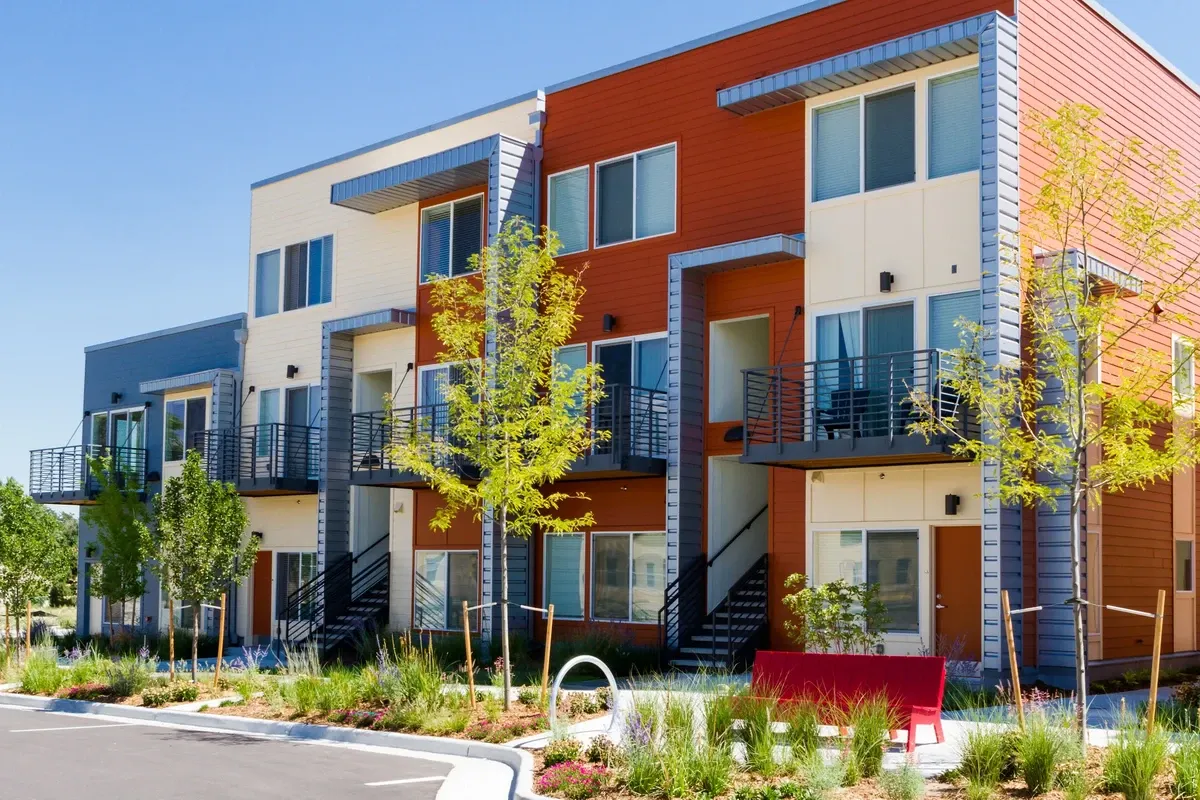
15 Questions to Ask Before Hiring a Multifamily Renovation Contractor
Choosing a multifamily renovation contractor involves more than comparing estimates. Property owners, asset managers, and property management teams need a reliable partner who can coordinate multiple units, manage trade schedules, protect residents, and maintain consistent workmanship without putting daily operations at risk.
A contractor experienced in general construction may not have the planning systems needed for occupied apartment communities or portfolio wide renovation programs. Asking the right questions before signing a contract helps you evaluate experience, staffing, budgeting, communication, safety, and accountability.
Use these 15 questions to compare contractors on how they plan and deliver projects, not simply on their quoted price. They apply to apartment interior upgrades, unit turns, capital improvements, and deferred maintenance.
1. Do You Have Experience With Multifamily Renovation Projects Like Mine?
Multifamily properties present challenges that differ from single family residential renovations. Contractors must coordinate multiple units, maintain consistent finishes, manage several trades, and work within property operating requirements.
Ask prospective contractors about projects with a similar unit count, building condition, renovation scope, and budget. Their experience should reflect the specific demands of your community rather than construction experience in general. What to verify:
- Number and types of apartment units renovated.
- Experience with occupied properties and phased renovations.
- Similar projects completed within the past few years.
- References from property owners, asset managers, or property management teams.
A contractor that understands your property’s scale and operational requirements is better positioned to develop a realistic execution plan.
2. Can You Complete Renovations While Residents Remain in Their Apartments?
Occupied renovations require careful coordination. Noise, dust, contractor access, temporary service interruptions, and restricted common areas can affect residents and create additional work for onsite teams.
Ask how the contractor separates construction activities from normal property operations. The response should include a practical plan for unit access, work hours, resident notifications, safety barriers, and maintaining clean shared spaces. What to verify:
- Phased construction schedules.
- Procedures for coordinating access with property management.
- Resident notification and complaint escalation processes.
- Measures to protect residents, belongings, and shared areas.
Not every renovation can be completed without temporary restrictions. A qualified contractor should explain these situations before work begins and coordinate suitable arrangements with management.
3. Which Renovation Services Can You Manage Under One Contract?
A multifamily improvement project may involve more than apartment interiors. Owners might need kitchen and bathroom updates alongside exterior repairs, amenity improvements, or building system maintenance.
Managing these activities through unrelated vendors can increase coordination demands and create scheduling conflicts. Ask whether the contractor can manage the required trades and renovation scopes under one coordinated plan. Depending on your property’s needs, the scope may include:
- Interior renovations: Flooring, painting, cabinetry, countertops, fixtures, kitchens, and bathrooms.
- Capital improvements: Roofing, siding, paving, exterior painting, and amenity upgrades.
- Deferred maintenance: Priority plumbing, electrical, HVAC, structural, and building repair work.
Review HAWK’s multifamily renovation services to understand how its interior renovation, capital improvement, and deferred maintenance offerings relate to different property requirements.
Confirm which activities the contractor will manage directly, which require specialty subcontractors, and where separate design or engineering professionals may be necessary.
4. Who Will Manage My Project and Perform the Work?
A company may present an experienced leadership team during the sales process, but the people responsible for daily execution will have the greatest influence on your experience.
Ask who will serve as your primary contact, supervise the work, coordinate trades, and communicate with property management. You should also understand which activities are handled by the contractor’s employees and which are assigned to subcontractors. Questions worth asking:
- Who is responsible for day to day site supervision?
- How are subcontractors selected and evaluated?
- Who resolves scheduling conflicts between trades?
- What happens if the assigned project manager or superintendent becomes unavailable?
A clear reporting structure reduces uncertainty and makes it easier to resolve problems quickly. Before signing, make sure the proposed team has the experience and capacity to manage your project’s actual scope.
5. How Do You Prepare Estimates and Structure Project Pricing?
A low initial estimate can become expensive when important work is excluded or assumptions are poorly documented. Multifamily renovation proposals should explain what is included, what is excluded, and how unexpected costs will be handled.
Ask how the contractor develops its estimate and whether pricing is fixed price, time and materials, or based on another agreed structure. Each approach has different implications for cost certainty, flexibility, and budget visibility. What a detailed proposal should include:
- Labor, materials, equipment, and applicable subcontractor costs.
- Work quantities, material specifications, and finish allowances.
- Permits, disposal, protection, and other project expenses where applicable.
- Exclusions, assumptions, payment milestones, and potential additional charges.
- The process for reviewing and approving budget changes.
The goal is to understand the full financial commitment rather than focusing only on the initial number. For larger renovation programs, establish how actual spending will be tracked against the approved budget.
6. How Do You Handle Unexpected Problems and Change Orders?
Renovation work can uncover conditions that were not visible during the initial assessment. Hidden water damage, deteriorated building components, outdated systems, or unsuitable existing materials can affect the scope and schedule.
A reliable contractor should have a defined process for documenting these discoveries, explaining their implications, and obtaining approval before proceeding with additional work. Ask the contractor to explain:
- How unexpected conditions are documented and assessed.
- When the owner receives revised cost and schedule estimates.
- Who is authorized to approve changes.
- How approved changes appear in project reports and financial records.
Avoid agreements that allow substantial additional work to proceed without clear authorization. Written change management procedures protect both parties and help prevent disagreements over responsibility and cost.
7. How Will You Develop and Manage the Renovation Schedule?
A renovation schedule should reflect more than the project’s estimated start and completion dates. Multifamily work involves unit availability, material deliveries, subcontractor coordination, inspections, resident access, and the sequence of activities across buildings.
Ask how the contractor determines realistic milestones and handles delays. The proposed schedule should account for the size and condition of the property, the depth of renovation, available crews, and procurement requirements. What to look for:
- A documented schedule with defined milestones.
- Unit by unit or building by building sequencing where appropriate.
- Clear assumptions about labor, material availability, and access.
- A process for reporting delays and updating completion targets.
- Contingency planning for unexpected conditions.
Avoid accepting aggressive deadlines without understanding how they will be achieved. A credible schedule balances delivery speed with workmanship, safety, and the property’s operating needs.
8. How Will You Coordinate With Property Management and Residents?
Property management teams need dependable information to handle resident inquiries, leasing activities, maintenance requests, and access arrangements during construction. Ask whether the contractor will assign a dedicated contact to coordinate with onsite management.
Establish who communicates changes to unit availability, work schedules, access requirements, and temporary disruptions. A practical communication plan should define notification responsibilities, preferred communication channels, response expectations, and escalation procedures for urgent issues.
Also clarify who handles complaints related to construction noise, housekeeping, or incomplete work. These responsibilities should be agreed upon before mobilization rather than decided during a dispute.
The contractor’s coordination process should help property management prepare residents and maintain normal operations wherever possible. This is especially important when renovation work spans numerous units or several buildings at once.
9. Who Handles Permits, Inspections, and Building Code Requirements?
Depending on the project’s location and scope, renovation work may require permits, licensed specialty trades, inspections, or design approvals. Requirements can vary by jurisdiction and by the type of work involved.
Ask who is responsible for identifying applicable requirements, submitting permit applications, coordinating inspections, and addressing deficiencies. Responsibilities should be stated clearly in the agreement. Before work begins, confirm:
- Which permits and approvals are required.
- Who obtains each permit and pays associated fees.
- Whether specialty contractors hold the necessary credentials.
- How inspections and required corrections will be scheduled.
- Who maintains records of approvals and completed inspections.
Property owners should independently verify relevant licenses and insurance rather than relying solely on verbal assurances. Clear responsibility for regulatory requirements helps reduce avoidable delays and compliance risks.
10. What Safety Measures Will You Use on an Occupied Property?
Safety is a major consideration when construction takes place around residents, employees, visitors, and active property operations. Contractors must plan for the specific hazards associated with the work and the occupied environment.
Ask about site specific safety procedures, worker training, access controls, housekeeping, and the protection of residents from construction areas. Work involving hazardous materials or significant structural and building system changes may require additional assessments and qualified specialists. You should understand how the contractor will manage:
- Restricted work zones and secure access.
- Dust, debris, noise, and material storage.
- Emergency access and incident reporting.
- Required protective equipment and safe work procedures.
- Coordination with onsite staff during service interruptions.
Request relevant insurance documentation, including general liability and workers’ compensation coverage where applicable. Verify coverage and confirm that the agreement clearly establishes safety responsibilities.
11. How Do You Maintain Consistent Quality Across Multiple Units?
Consistent workmanship becomes more challenging when dozens or hundreds of apartments require similar improvements. Without defined standards, finishes, installation quality, and completed details may vary between crews or buildings.
Ask how the contractor establishes specifications and checks work throughout the project. For larger programs, a sample or pilot unit can help the owner approve finishes, confirm installation methods, and identify scope issues before they are repeated across the property. What to verify:
- Written material and workmanship specifications.
- Inspection checkpoints for each stage of work.
- Procedures for recording defects and correcting them.
- Consistent standards across units, crews, and buildings.
- Final walkthroughs and documented punch lists.
Quality control should happen throughout the project, not just at the end. Early inspections allow teams to identify recurring issues before they affect more units and create additional costs.
12. Can You Provide Comparable Project References and Case Studies?
Past work can help you understand whether a contractor has delivered projects that resemble your requirements. However, reviewing photographs alone may not reveal how the company managed schedules, costs, occupied units, or unexpected conditions.
Ask for examples involving comparable properties and speak with previous clients when possible. Questions about the contractor’s responsiveness, problem resolution, budget management, and closeout process can provide useful context. For each reference, consider asking:
- Was the original scope completed as agreed?
- How were delays and unexpected expenses handled?
- Did workmanship remain consistent across the property?
- How effectively did the team communicate with management?
- Would the client hire the contractor again?
Review HAWK’s multifamily renovation project portfolio to examine examples of its work. Look for projects with a similar scope and operating environment, then discuss the details most relevant to your property.
13. How Frequently Will You Receive Progress and Budget Updates?
Clear reporting helps owners understand whether construction is progressing as planned and whether decisions are needed. Without reliable updates, small problems can remain unresolved until they affect costs, unit availability, or milestone dates.
Ask the contractor what information it provides and how frequently reports are delivered. The format should suit your organization’s requirements, whether you are managing an individual apartment community or a larger investment portfolio. Useful reporting may cover:
- Completed work against planned milestones.
- Units or buildings currently under construction.
- Budget performance and approved changes.
- Material or staffing issues affecting progress.
- Outstanding defects, decisions, and action items.
Establish who receives updates and who is responsible for resolving outstanding issues. For portfolio wide renovation programs, consistent reporting formats make it easier to compare progress between properties and identify recurring problems.
14. What Warranty, Defect Correction, and Project Closeout Support Do You Provide?
A renovation project is not fully complete simply because the crews have left the property. Owners need documented completion, resolution of outstanding items, and a clear route for reporting defects or warranty concerns.
Ask what workmanship warranty applies, how materials and installed equipment are covered, and which exclusions or maintenance conditions may apply. Obtain these details in writing because coverage varies by contract, product, and jurisdiction. You should also confirm that the contractor provides an organized closeout process. Depending on the scope, this may include:
- Final inspections and completion signoff.
- A documented punch list and defect correction.
- Applicable warranties and product documentation.
- Required permits, approvals, and inspection records.
- Information about any remaining work or maintenance responsibilities.
Clarify how warranty requests are submitted, acknowledged, and resolved. A documented process provides accountability after the main construction phase has ended.
15. Can Your Team Handle the Project’s Full Scale and Long Term Requirements?
A contractor may be suitable for one property but lack the staffing, supervision, or coordination systems needed for a larger program. This matters when renovations involve multiple buildings, several communities, or recurring work across a portfolio.
Ask how the contractor would allocate crews, supervisors, project managers, and specialty trades to your planned workload. Discuss current commitments and how additional work would affect scheduling and service quality.
For portfolio projects, also establish whether the contractor can maintain consistent specifications, reporting, and quality checks across different locations. Geographic coverage alone does not guarantee availability, so confirm that the proposed team can meet your specific requirements.
Finally, agree on the outcomes that will define success. These may include completion milestones, approved budget adherence, workmanship standards, fewer unresolved defects, and effective coordination with property management. The best contractor should demonstrate that its operating model fits your project rather than simply promising to handle any workload.
How to Compare Multifamily Renovation Contractors Before Making a Decision
After asking these questions, evaluate each proposal against the same criteria. This makes it easier to identify meaningful differences between contractors and avoid choosing based on price alone.
| Evaluation Factor | What to Compare |
| Project Experience | Similar property types, unit counts, and completed projects |
| Scope and Pricing | Included work, exclusions, allowances, and change procedures |
| Staffing | Project leadership, supervision, crew capacity, and subcontractors |
| Scheduling | Milestones, phasing, procurement, and delay management |
| Resident Coordination | Access, notifications, safety, and disruption controls |
| Quality Assurance | Specifications, inspection stages, and defect correction |
| Communication | Reporting frequency, budget visibility, and escalation procedures |
| Closeout | Final inspections, outstanding items, and warranty documentation |
Request comparable proposals with the same core scope wherever possible. If one contractor’s price is significantly lower, ask which assumptions, materials, activities, or responsibilities differ.
Check references, confirm the proposed team’s availability, and document any unresolved questions before signing. A well defined agreement helps establish expectations for scope, payment, schedule, safety, and accountability.
Why Consider HAWK for Multifamily Renovation Projects
Conclusion
Hiring a multifamily renovation contractor is an important decision that affects budgets, property operations, resident experience, and long term asset performance. The right partner should demonstrate relevant experience, provide a detailed proposal, coordinate work effectively, and maintain clear accountability from planning through closeout.
Use these 15 questions to assess more than the contractor’s quoted price. Examine its approach to occupied renovations, scheduling, safety, quality assurance, reporting, and unexpected conditions. Then compare proposals using the same scope and verify claims through project references, documentation, and direct discussions with previous clients.
For property owners managing multiple units or communities, a reliable renovation partner should also have the capacity and systems to maintain consistent execution as project requirements grow. Taking the time to establish expectations before signing helps reduce uncertainty and creates a stronger foundation for a well managed renovation.
Frequently Asked Questions
How many renovation contractors should I compare before making a decision?
Comparing three qualified contractors can provide useful reference points for pricing, scope, and project approach. The quality of the comparison matters more than the number of bids. Evaluate comparable scopes, relevant experience, staffing, references, and communication rather than selecting the lowest estimate automatically.
Should I hire the contractor offering the lowest renovation estimate?
Not without examining the full proposal. A low estimate may exclude important work, rely on different material specifications, or make assumptions that lead to additional costs. Compare inclusions, exclusions, staffing, schedule, and change order procedures before determining which proposal offers the best overall value.
Can multifamily renovation work take place in occupied apartment communities?
Yes! Many projects can be completed in phases while residents remain in their apartments. The contractor and property management team must coordinate access, work hours, safety measures, resident communication, and service interruptions. Some activities may require temporary restrictions or relocation based on the building’s condition and scope of work.
What documents should I request before hiring a renovation contractor?
Request a detailed written proposal, project schedule, licensing and insurance documentation, relevant project references, and a draft agreement. Depending on the scope, you should also establish permit responsibilities, safety procedures, quality control requirements, change order terms, warranty coverage, and project closeout expectations.
How can I reduce renovation delays and unexpected costs?
Begin with a documented scope and a realistic schedule based on the property’s condition, material availability, and operating requirements. Establish approval procedures for changes, review progress and budgets regularly, and resolve outstanding decisions promptly. Early planning can reduce avoidable surprises, although hidden conditions and other unforeseen events may still affect delivery.
What makes a multifamily renovation contractor different from a general contractor?
A multifamily renovation contractor needs to coordinate work across multiple apartment units and shared areas while accounting for residents, leasing operations, consistent finishes, and property management requirements. Depending on the project, this may require specialized scheduling, repeatable quality controls, portfolio reporting, and experience with occupied communities.