
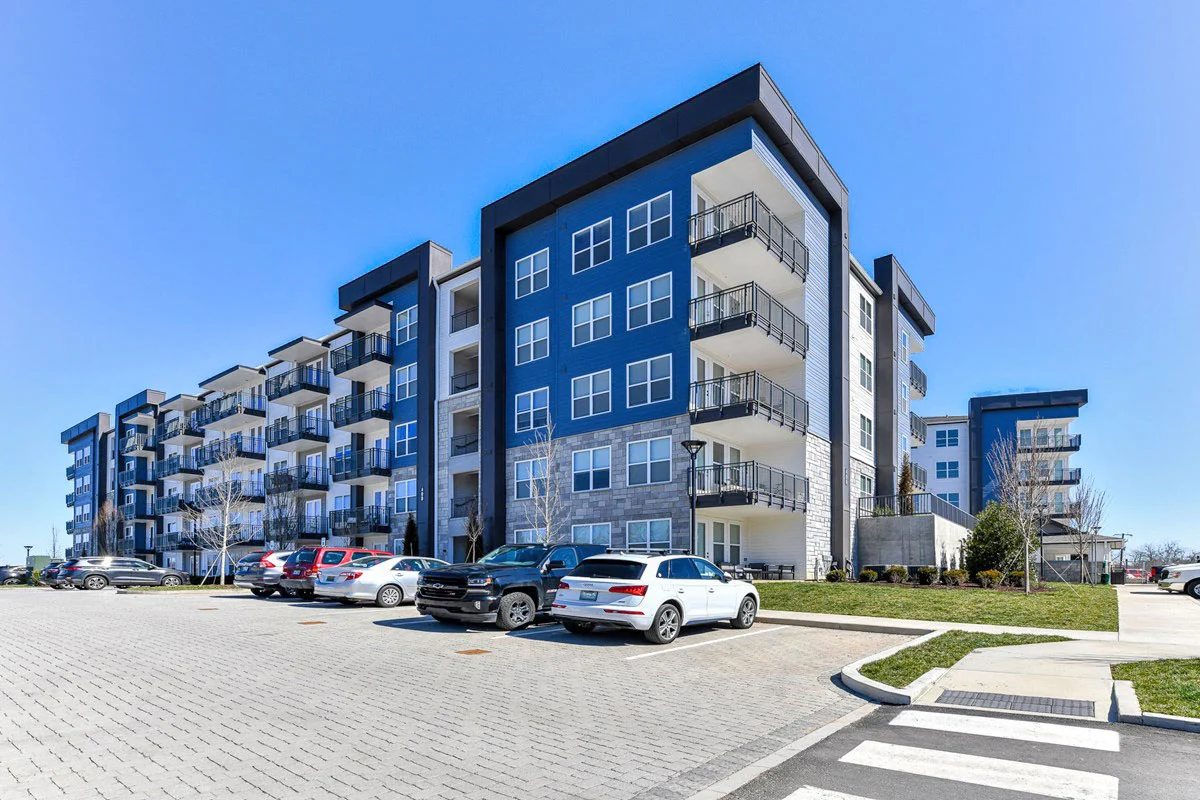
How to Choose the Right General Contractor for Multifamily Apartment Renovation
A multifamily development involves far more moving parts than a single-family home. Multiple units, shared building systems, life safety requirements, complex inspections, trade sequencing, material lead times, financing milestones, and leasing schedules must all align perfectly.
That makes your general contractor (GC) a strategic partner in your capital stack, not simply an entity executing site work. The right partner helps mitigate risk, optimize constructability, control cost exposure, and protect your targeted yield.
For owners, developers, and investors, the selection process should look beyond the lowest proposal. Experience with comparable properties, preconstruction planning, financial strength, project leadership, communication, safety, and accountability all deserve careful review. This guide explains what to evaluate before hiring a multifamily general contractor and provides a framework to compare proposals on an equal basis.
If you are searching for the most reliable general contractors for multifamily projects, this Hawk Construction and Renovation professional explains to you what to look for, what to ask. Furthermore, how to compare your options with confidence.
What Makes Multifamily Construction Different
Multifamily construction includes apartment communities, condominiums, townhome developments, student housing, senior living, and mixed-use properties. While each asset class has distinct requirements, several factors make this sector especially demanding:
- Efficient Unit Layouts: Repeated floor plans create production efficiencies, but systemic errors multiply quickly across dozens or hundreds of units.
- Shared Infrastructure: Corridors, stairwells, elevators, plumbing risers, electrical mains, and HVAC systems require tight coordination across floors and phases.
- Strict Life Safety & Codes: Fire-rated assemblies, sprinkler systems, emergency egress pathways, and alarm controls require strict adherence to municipal and national codes.
- Acoustic Performance: Wall, floor, ceiling, and mechanical assemblies must meet strict Sound Transmission Class (STC) and Impact Insulation Class (IIC) ratings to prevent noise issues between units.
- Complex Inspection Sequences: Phased occupancies require rolling inspections, temporary certificates of occupancy (TCO), and meticulous closeout documentation.
- High Capital Exposure: Substantial carrying costs and interest rates make schedule slippage a direct threat to overall project IRR.
- Occupied Renovations: Value-add programs require working around active residents—demanding strict dust control, noise management, safety corridors, and precise unit-turn timelines.
Why Multifamily Experience Matters
Multifamily construction relies on repeating processes efficiently across a large footprint. A general contractor may understand standard commercial building practices yet lack the logistics discipline needed to coordinate overlapping trades across hundreds of units.
An experienced multifamily team understands production sequencing. Framing, rough plumbing, electrical, drywall, cabinetry, and final finishes require tight scheduling so trade crews maintain momentum without creating costly rework.
Preconstruction Value
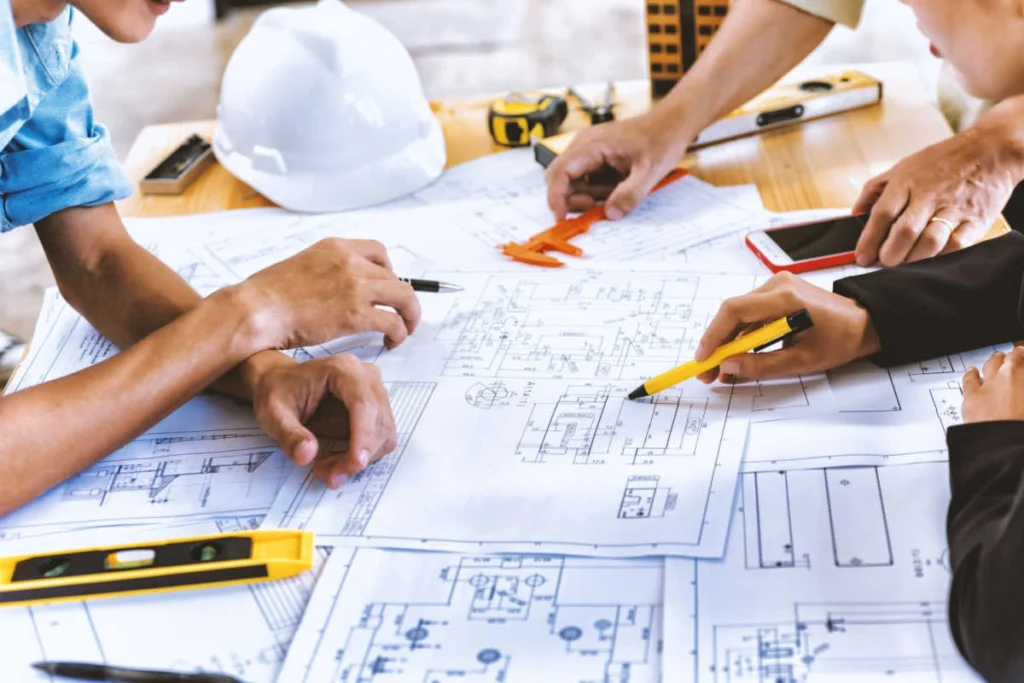
During preconstruction, a seasoned contractor reviews plans for constructability, flags trade conflicts early, evaluates long-lead materials, and identifies cost-saving alternatives that fit the owner’s budget and schedule without compromising quality.
Smart Cost Decisions
Value engineering should never mean selecting cheap materials. The goal is to evaluate choices based on total cost, long-term durability, lead times, installation complexity, and ongoing maintenance costs.
8 Essential Factors to Evaluate in a General Contractor
1. Relevant Project Experience
Evaluate projects similar in scale, building type, density, and framing type (e.g., podium, wrap, garden-style, or high-rise). Ask for specific metrics: unit counts, construction values, schedules, and challenges solved.
“HAWK Track Record: With 20+ years of dedicated experience and over 10,000 units delivered across new construction and value-add renovations, this construction and renovation company brings battle-tested processes to complex developments.”
2. Preconstruction Services
Look for preconstruction offerings that include constructability reviews, detailed cost modeling, site logistics planning, long-lead procurement mapping, and collaborative design-team coordination.
3. Financial Strength & Bonding
A general contractor must have the financial balance sheet to support material purchases and payroll without relying on owner draw advances. Request bonding capacity letters (single and aggregate limits), banking references, and insurance certificates.
4. Dedicated On-Site Leadership
Confirm the exact personnel assigned to your project. Review resumes for the Project Executive, Lead Project Manager, and Field Superintendent to ensure direct experience with your asset type.
5. Subcontractor Management & Relationships
Ask how the contractor vets, prices, and manages subcontractors. Established trade relationships ensure better labor availability, quality control, and schedule adherence in competitive markets.
6. Safety Program & EMR
Request the contractor’s Experience Modification Rate (EMR). An EMR below 1.0 indicates a safer site, fewer lost-time incidents, lower risk, and reduced insurance liabilities.
7. Transparent Reporting & Tech Stack
Look for clear reporting schedules using standard project management platforms like HAWK Construction and Renovation. Real-time access to submittals, RFIs, schedule updates, and contingency logs minimizes surprises.
8. Structured Closeout & Warranty Support
Request a written closeout workflow. A structured transition plan—covering TCO execution, punch list resolution, as-built documentation, operational manuals, and warranty management—ensures a smooth handoff to property operations.
How to Compare Contractor Bids Fairly
Comparing bids based solely on the bottom-line contract price can expose developers to significant financial risk. Unusually low bids often stem from excluded scope, low allowances, or missing general conditions costs that surface later as change orders.
Bid Comparison Matrix
| Evaluation Criteria | Bidder A (Low Bid) | Bidder B (HAWK) | Bidder C |
| Base Proposal Price | $14,200,000 | $15,100,000 | $15,800,000 |
| Scope Inclusions Complete? | No – Excludes Site Utilities | Yes – Full Turnkey | Yes |
| General Conditions Detailed? | Lump Sum – Vague | Itemized & Transparent | Itemized |
| Finishing Allowances | Low – $12/sq. ft. | Realistic – $18/sq. ft. | Realistic – $18/sq. ft. |
| Proposed Construction Duration | 14 Months – Aggressive | 16 Months – Realistic | 17 Months |
| Subcontractor Line-Item Breakout | No | Yes | Yes |
| Safety / EMR Rating | 1.12 | 0.82 | 0.95 |
| Adjusted Total Real Price | $15,950,000 (Estimated Risk) | $15,100,000 | $15,800,000 |
Red Flags That Signal Contractor Risk
A polished proposal does not automatically mean a low risk contractor. Watch for warning signs that could affect cost, schedule, or accountability.
- Unusually Low Base Bids: Frequently indicates missing scopes, unrealistic trade allowances, or a plan to rely on change orders to build margin.
- Vague Scope Definitions: Broad language around allowances, finishes, and site work shifts risk back to the owner mid-construction.
- No Dedicated Superintendent: Splitting a field superintendent across multiple jobs leads to quality control gaps and safety oversights.
- Weak Schedule Detail: Submitting a total project length without detailed trade sequencing, long-lead procurement milestones, or inspection dates.
- Hesitation on References: Resistance to providing direct contacts for recent owners, architects, or lenders.
A reliable contractor for multifamily apartment renovation should be comfortable discussing concerns, explaining costs, and providing clear documentation. Transparency at the beginning can help prevent costly surprises later.
10 Critical Questions to Ask Before Hiring
Choosing a multifamily contractor takes more than comparing bids. Ask questions that reveal how the company actually operates.
- How many multifamily units of this specific building type have you completed in the past 3 years?
- Who will be the full-time, on-site field superintendent assigned to this project?
- What is your current EMR rating, and what safety policies are enforced daily on-site?
- How do you track long-lead materials and manage supply chain disruptions?
- Can you share your formal preconstruction and value-engineering process?
- How are change orders pricing, documentation, and approvals handled?
- What software platform do you use to give owners visibility into RFIs, submittals, and schedules?
- How do you manage trade coordination on occupied renovation sites?
- What is your bonding capacity (single project / aggregate limit)?
- Can you provide references from three recent developers and lenders?
Let’s Talk About Your Multifamily Construction Goals
The most reliable general contractors for multifamily projects share a few clear qualities: relevant experience, strong preconstruction planning, financial stability, open communication, and a commitment to safety and quality. Take the time to verify references, compare bids carefully, and choose a partner who treats your project as seriously as you do.
A multifamily building is a long term asset. The contractor who builds it should be someone you trust to deliver it well. Ready to discuss your next apartment or multifamily development? Contact the HAWK team to talk through your goals, timeline, and budget.
FAQs
What does a multifamily general contractor do?
A multifamily general contractor manages construction from preconstruction through project closeout. Responsibilities include estimating, value engineering, trade scheduling, subcontractor oversight, material procurement, safety management, permitting, and coordinating inspections for occupancy.
How does multifamily construction differ from single-family homebuilding?
Multifamily construction involves scaled trade sequencing across repetitive units, shared building infrastructure, complex life-safety systems, strict acoustic performance standards, commercial-grade inspections, and unique financing/leasing milestones.
When should an owner involve a general contractor during development?
Involve a GC during early schematic design. Early contractor involvement allows for accurate cost modeling, constructability feedback, lead-time planning, and value engineering before construction drawings are finalized.
What is a good EMR rating for a multifamily contractor?
An Experience Modification Rate (EMR) below 1.0 is considered good and indicates safer operations than the industry average. A lower EMR reflects fewer job site incidents and helps control insurance costs.
How are occupied multifamily renovations managed safely?
Occupied renovations require clear scheduling, dedicated safety corridors, dust control containment barriers, secure key management, advance notice protocols for residents, and clean daily wrap-ups to minimize disruptions.