
What Is the Difference Between a Remodeled vs Renovated Apartment Explained!
If you own or manage a multifamily property, you have likely heard the terms “remodeled” and “renovated” used interchangeably. While both can improve an apartment’s appearance and appeal, they involve different levels of work, costs, timelines, and planning.
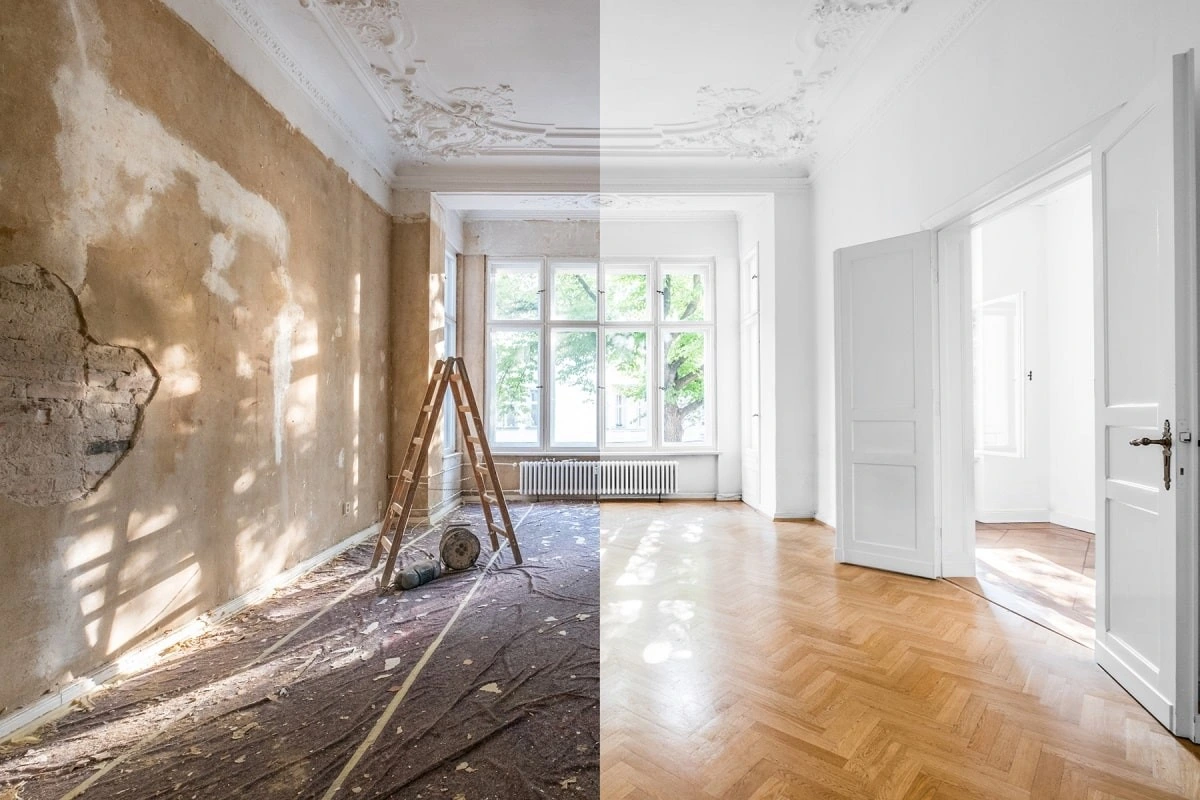
A renovated apartment typically receives updated finishes, fixtures, appliances, and surfaces while keeping the existing layout intact. However, a remodeled apartment may involve more extensive changes to the unit’s structure, floor plan, plumbing, electrical systems, or overall functionality.
Understanding this distinction can help property owners choose the right approach for their budget, property condition, and investment goals. In this guide, we explain the key differences between remodeled and renovated apartments and what each option can mean for your multifamily property.
What Is a Remodeled Apartment
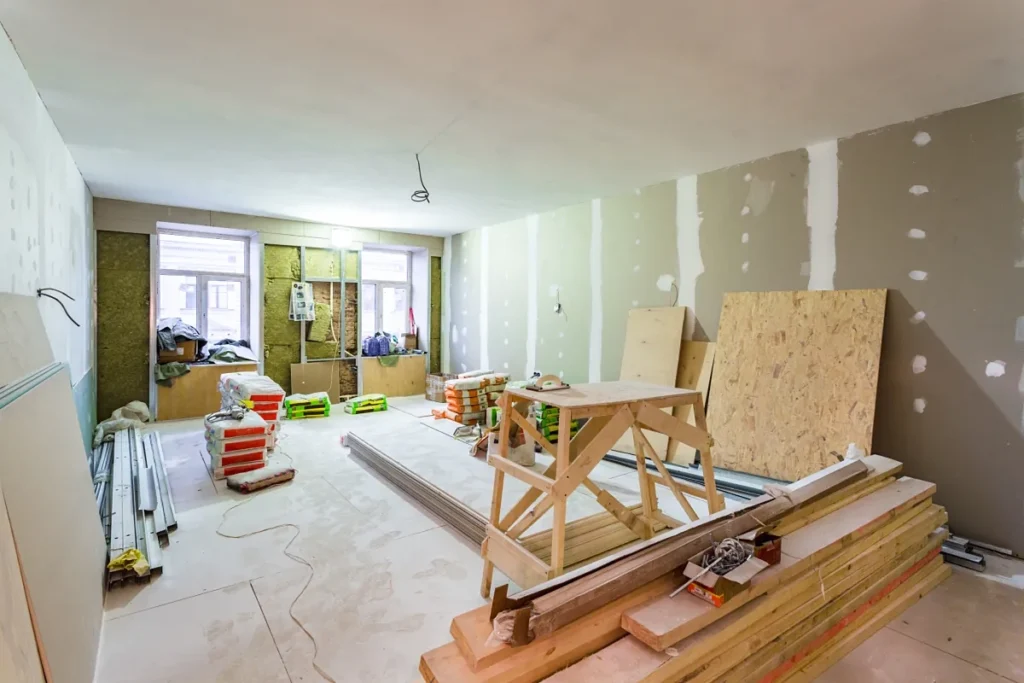
A remodeled apartment involves changing a unit’s structure, layout, or fundamental function. This might mean removing a wall to open a kitchen, reconfiguring a floor plan to add a bedroom, relocating plumbing stacks, or converting an unused den into a usable bedroom.
Because remodeling alters the “bones” of the unit, it almost always requires city permits, licensed trade contractors (plumbers, electricians, structural engineers), and an extended timeline, often costing $15,000 to $35,000+ per unit.
For multifamily owners, remodeling is typically reserved for units with functional or structural problems: an awkward layout that limits marketability, outdated plumbing lines that require replacement, or floor plans that no longer match submarket demand.
What Is a Renovated Apartment
A renovated apartment keeps the existing structure and layout in place while updating the visible finishes, fixtures, and surfaces. Renovation refreshes what is already there rather than reconfiguring the footprint. Common apartment unit renovation work includes:
- Flooring and Trim: Installing Luxury Vinyl Plank (LVP), fresh trim, and low-VOC paint.
- Cabinetry & Counters: Updating cabinet fronts, installing quartz or granite countertops, and modern hardware.
- Fixtures: Upgrading to contemporary lighting and water-efficient plumbing fixtures.
- Appliances: Installing stainless steel or Energy Star-rated appliances.
- Bathrooms: Refreshed tub surrounds, modern vanities, and new mirrors without moving plumbing lines.
Renovations typically cost $4,000 to $12,000 per unit and are faster, less disruptive, and more predictable than remodels. They form the backbone of most value-add investment strategies and quick apartment turn strategies across multifamily portfolios.
Remodeled vs. Renovated Apartment: Side-by-Side Comparison
| Factor | Renovated Apartment | Remodeled Apartment |
| Scope of Work | Cosmetic and functional upgrades | Structural, electrical, and layout changes |
| Structural Impact | None; existing layout is preserved | Walls may be removed or added, and load paths may be changed |
| Fixtures & Finishes | Fixtures and finishes are replaced or upgraded in place | Fixtures and finishes are replaced as part of a broader redesign |
| Average Cost / Unit | $4,000 to $12,000 | $15,000 to $35,000+ |
| Average Timeline | 3 to 10 business days | 3 to 8+ weeks |
| Permit Requirements | Rarely required, depending on the municipality and scope | Often required, depending on the extent of structural and system changes |
| Tenant Impact | Minimal; work can often be completed during normal unit turns | Higher; the unit typically needs to be vacant and offline for longer |
| Primary Goal | Maintain competitiveness and support steady rent growth | Reposition the asset or address significant layout and functional issues |
Note: Cost, timeline, and permit requirements can vary significantly based on the property’s location, unit size, existing condition, materials, labor, and scope of work.
What Does Newly Renovated Mean in Leasing
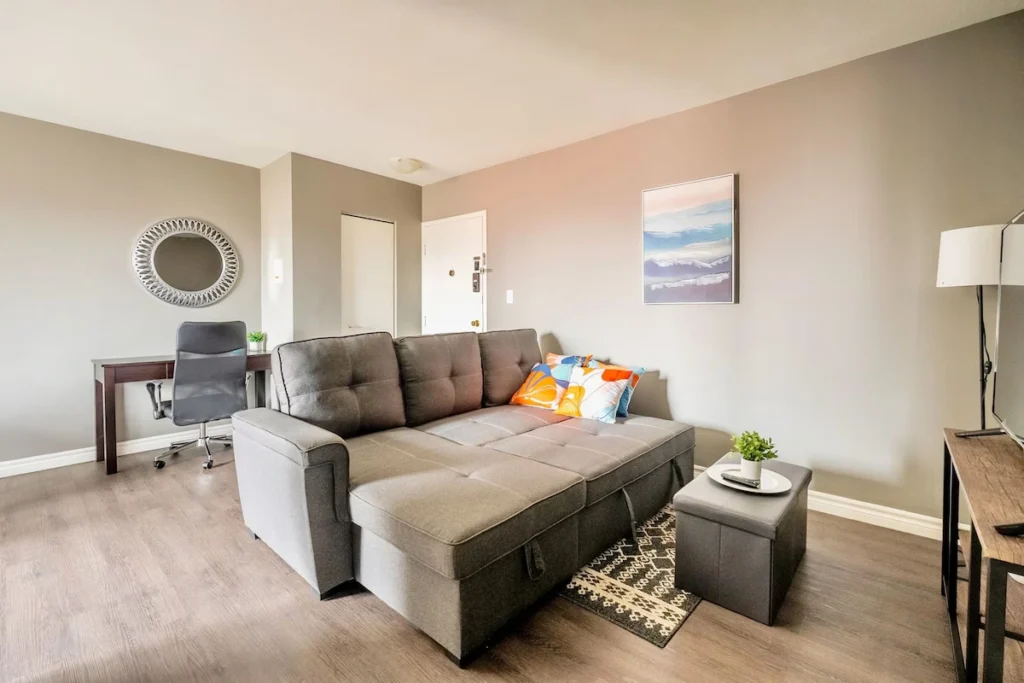
When a listing or property description says “newly renovated,” it signals that specific units or common areas have recently received updated finishes, appliances, or fixtures without changing the structural layout. For prospective residents, it should mean a move-in-ready space with modern aesthetics.
For property owners and asset managers, marketing a unit as “newly renovated” carries a responsibility. Setting tenant expectations high without executing proper quality control leads to early maintenance calls, negative resident reviews, and higher lease turnover. Working with a dedicated team trained in multifamily quality assurance ensures the finishes stand up to daily use.
Which Is Better for Your Multifamily Property
There is no single correct answer. Choosing between remodeling and renovation depends on several key variables:
- Property Condition: Units with underlying plumbing, electrical, or structural flaws require a heavier remodel before cosmetic work will last.
- Investment Horizon & Strategy: Value-add acquisitions targeting immediate yield usually prioritize unit renovations across the portfolio to raise rents efficiently. Heavy remodels target a smaller percentage of units for premium rent repositioning.
- Occupancy & Timeline: Renovation programs are easily phased across occupied buildings. Remodeling requires keeping units offline, which increases revenue loss during construction. Knowing how long it takes to renovate an apartment unit helps asset managers schedule turns without ballooning vacancy loss.
- Submarket Benchmarking: If competing properties in your asset class offer updated finishes with similar layouts, a cosmetic renovation closes the competitive gap. If competitors offer modern open-concept layouts, structural remodeling may be necessary to compete for top-tier rents.
Many property owners use a hybrid approach: executing targeted remodels on problem layouts or underutilized amenity spaces while executing standard renovations across the broader unit mix.
How Apartment Renovations Boost Property Value and NOI
Strategic renovation programs directly impact property valuation by increasing Net Operating Income (NOI). Because commercial property values are tied to cap rates, even modest rent premiums scale across a portfolio:
- Tenant Attraction & Retention: Modern finishes shorten days on market for vacant units and incentivize renewals, lowering marketing and turn costs.
- Supported Rent Premiums: High-demand finishes (like LVP flooring and quartz countertops) support rent increases aligned with local market comps.
- Operational Expense Reduction: Replacing outdated fixtures and appliances with modern, energy-efficient models reduces ongoing maintenance calls and utility expenses.
- Cap Rate Compression: A clean, updated asset with strong NOI performance yields higher valuations during refinancing or disposition.
Explore real-world examples of these strategies in our multifamily case studies to see how capital improvements translate into measurable returns.
11 Red Flags to Watch for in Completed Units
Before approving final contractor payouts or accepting a turned unit, conduct a detailed walkthrough to check for these common issues:
- Poor Workmanship: Uneven trim seams, bad caulk lines, or misaligned cabinet doors.
- Hollow-Sounding Flooring: Indicates poor subfloor preparation or uneven leveling beneath luxury vinyl plank or tile.
- Improperly Installed Fixtures: Loose faucets, ungrounded outlets, or light fixtures not secured flush to the ceiling.
- Paint Over Unresolved Damage: Paint applied directly over water stains, drywall cracks, or active mold without addressing the root cause.
- Plumbing Leak Risks: Slow drains, improper P-trap installations, or leaks under vanity sinks.
- Electrical Hazards: Outlets missing GFCI protection in wet areas (kitchens and baths) or exposed wiring behind appliances.
- Cabinet Installation Errors: Doors that bind, drawers off track, or upper cabinets not properly anchored to studs.
- Hidden Water Damage: Discoloration or soft spots around windowsills, tub surrounds, or under appliances.
- HVAC Imbalance: Registers delivering uneven airflow or noisy air handling units.
- Low-Grade Materials: Flimsier materials that look good on day one but break down after a single tenant lease cycle.
- Cosmetic Band-Aids: Modern surfaces installed directly over unaddressed structural or moisture problems.
Why Partner with an Experienced Multifamily Contractor
Apartment renovations require more than quality artistry. They demand careful scheduling, consistent materials, and efficient coordination across occupied communities and multiple units. An experienced multifamily contractor can help reduce disruptions while keeping your project aligned with your property’s goals.
With more than 20 years of experience across 8 states, HAWK Construction and Renovation delivers reliable renovation solutions built for multifamily properties. Explore our multifamily renovation services and take the next step toward improving your property’s performance and long-term NOI value.
Final Thoughts
Choosing between a remodeled and renovated apartment depends largely on the property’s condition, improvement goals, and available investment budget. Renovation generally suits updating finishes, fixtures, appliances, and other visible features while preserving the existing layout. Remodeling involves a broader scope and may include structural, electrical, plumbing, or floor plan changes to improve functionality.
For multifamily property owners, the right approach should balance upfront costs with expected tenant appeal, operational needs, project timelines, and long-term property performance. A well-planned renovation can help maintain competitiveness and support rental growth, while a larger remodel may be worthwhile when outdated layouts or underlying issues limit the property’s potential.
By understanding the difference between the two, owners can make more informed decisions and allocate capital where it can deliver the greatest practical value.
Frequently Asked Questions
Does a renovated apartment always mean the whole unit was updated?
Not necessarily! The term renovated can describe anything from a targeted kitchen refresh to a full interior overhaul. Property owners and prospective tenants should always request a detailed Scope of Work (SOW) to confirm which specific rooms, fixtures, and surfaces were upgraded.
How often should multifamily owners plan for unit renovations?
Most asset managers follow a 7-to-10-year major renovation cycle, completing light cosmetic updates during standard lease turns. For larger portfolios, owners often run phased capital improvement programs over 1-to-3-year periods to optimize capital expenditure and minimize revenue disruption.
Can an apartment unit be renovated while occupied?
Yes! Minor upgrades, such as replacing light fixtures, painting, or updating appliances, can be scheduled around current residents with proper notice. However, major projects like full flooring replacement or complete cabinet overhauls are faster, safer, and less disruptive to execute during a vacant unit turn.
Do apartment remodels require the unit to be vacant?
Yes! Structural modifications, plumbing relocations, wall removals, and electrical rewiring create safety hazards and require open access to framing and utilities. Keeping the unit offline and vacant is essential for site safety, trade efficiency, and building code compliance.
What is the typical cost difference between renovating and remodeling an apartment unit?
Cosmetic unit renovations generally range from $4,000 to $12,000 per unit, depending on finish quality. Full structural remodels cost significantly more, typically $15,000 to $35,000+ per unit, due to engineering requirements, permitting fees, extended labor hours, and trade-specific work.
How do I determine whether my property needs a renovation or a remodel?
Evaluate your property’s underlying structure and submarket demand. If your floor plans are functional but look outdated, a cosmetic renovation will effectively boost marketability. If your units suffer from poor flow, lack essential closets, or have inefficient layouts that limit rent premiums compared to local comps, a structural remodel is necessary.
Should renovation decisions be based solely on competitor benchmarking?
While competitor analysis helps identify market standards, your capital deployment should primarily reflect your asset’s physical condition, target tenant demographics, expected hold period, and projected Return on Investment (ROI). Unthinkingly matching a competitor’s high-end finishes without assessing your submarket’s rent ceiling can diminish your net return.
What materials hold up best under regular tenant turnover?
To maximize lifespan and reduce maintenance costs, opt for commercial-grade, high-durability materials:
- Flooring: Luxury Vinyl Plank (LVP) with a 12+ mil wear layer
- Countertops: Solid quartz or high-density granite
- Cabinetry: Solid wood boxes with soft-close hinges
- Fixtures: Commercial-grade, water-efficient stainless steel or brushed nickel hardware
Can in-unit renovation work drive lease renewals, not just new leases?
Absolutely! Offering scheduled unit upgrades, such as new stainless steel appliances or upgraded flooring, at lease renewal is a powerful retention tool. Resident turnover creates vacancy loss, so incentivizing existing tenants to renew at higher rates through selective upgrades protects your Net Operating Income (NOI).
How should asset managers evaluate a multifamily renovation contractor?
Select a contractor with verified commercial multifamily experience, not a single-family residential background. Key criteria to evaluate include:
- Proven track record on similar unit counts and project scopes
- Established protocols for tenant communication and safety in occupied buildings
- Capacity to meet strict unit-turn deadlines
- Proper licensing, general liability insurance, and detailed warranty coverage