
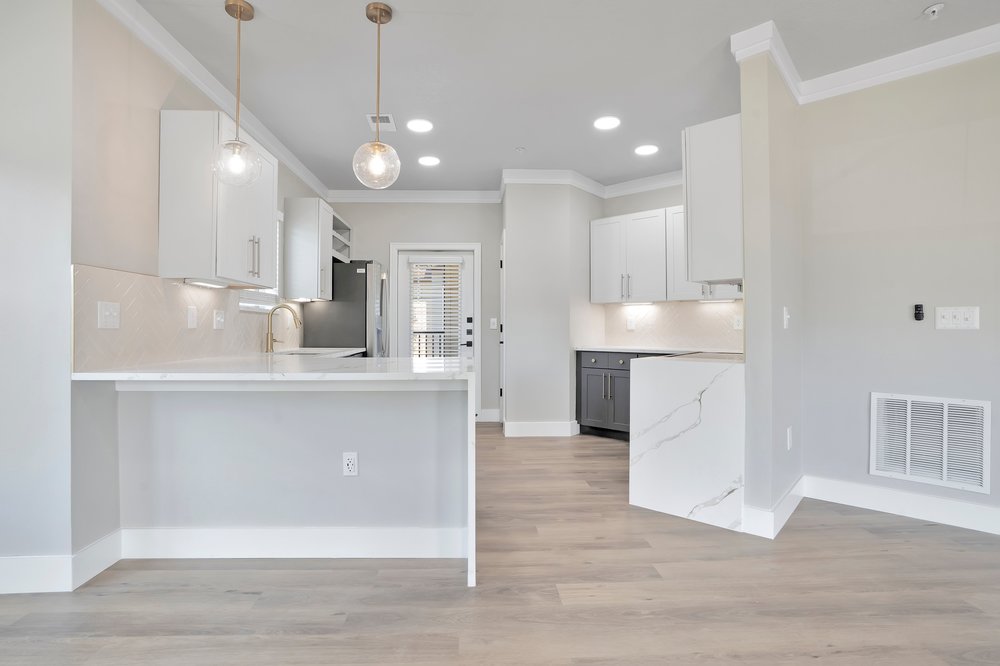
The Interior Renovation Checklist for Florida Apartment Communities
Renovating a multifamily apartment in Florida is not the same as remodeling a single home. Owners and property managers are working around occupied units, tight turnaround windows, and a building code that changes almost every year. Add in hurricane season, humidity, and coastal wind requirements, and a simple interior refresh can quickly turn into a complex project if it is not planned correctly.
At Hawks Construction and Renovation (HAWK), we work with apartment communities renovation in Florida and beyond to modernize interiors without disrupting apartment residents or blowing past budget. This checklist breaks down what a well planned multifamily interior renovation should include, from the first walkthrough to the final punch list.
Why Multifamily Renovations in Florida Need a Different Approach
Renovating an apartment community in Florida isn’t just about improving appearances. Projects must balance occupied units, resident safety, tight schedules, and some of the country’s most demanding building regulations.
On top of that, Florida’s building code continues to evolve, particularly around wind resistance, energy efficiency, and impact protection. The current 8th Edition Florida Building Code, based on the ASCE 7-22 wind load standard, introduced updated wind speed maps, revised exposure categories, and more accurate structural calculations to improve hurricane resilience. The 9th Edition, expected to take effect by December 31, 2026, will introduce additional requirements for many multistorey residential buildings.
For apartment owners, this means renovations should be planned around today’s code requirements from the very beginning. Waiting until inspections or construction is underway can lead to costly redesigns, delays, or unexpected compliance issues.
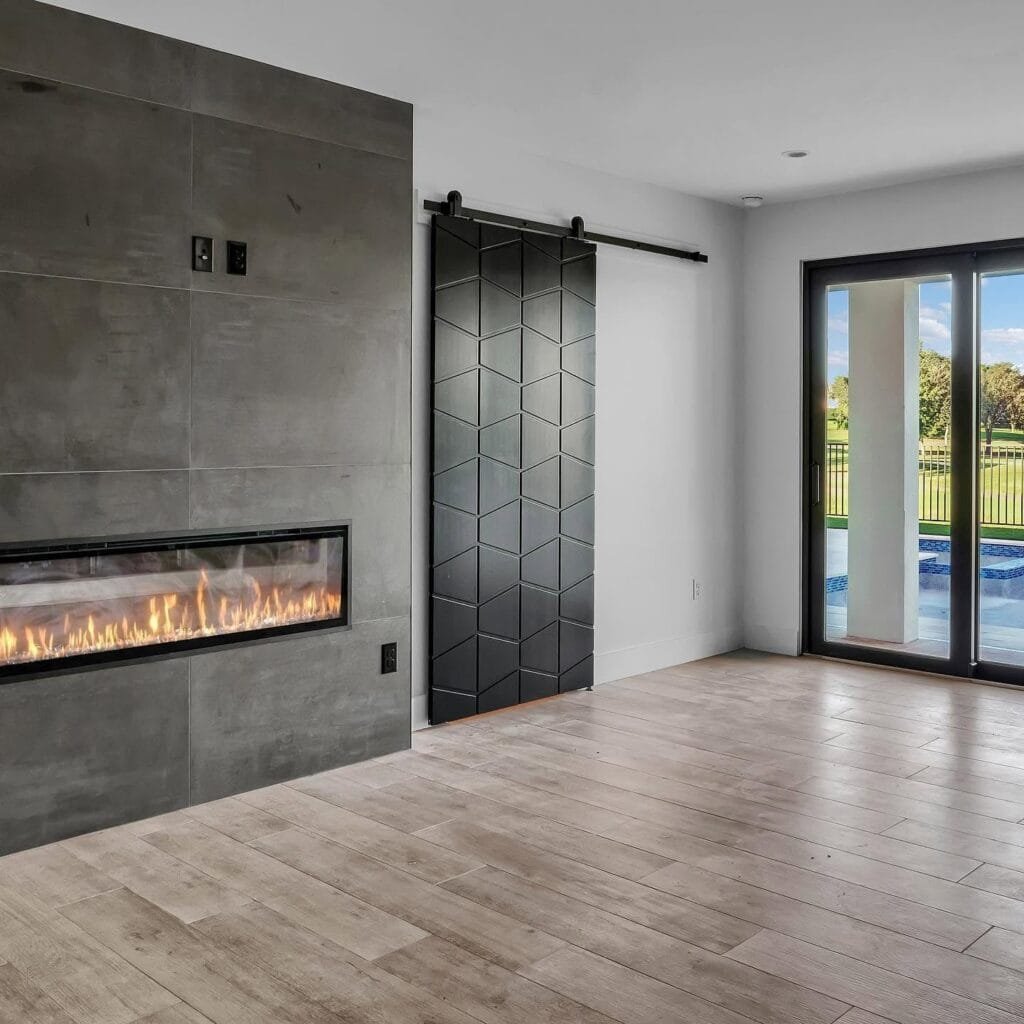
Assess the Entire Property Before Renovations Begin
Before work starts, inspect every part of the property, not just the units being renovated. A comprehensive assessment helps identify hidden issues that could affect your budget or timeline later. This you need to look for:
- Age and condition of plumbing systems
- Electrical panels and wiring
- HVAC equipment
- Roofing and drainage
- Water damage or moisture intrusion
- Windows and doors that may no longer meet current impact requirements
Documenting each building and unit with photos creates a clear record before construction begins. This is valuable for insurance purposes, quality control, and resident communication.
Review Florida Building Code Requirements Early
One of the biggest causes of renovation delays is discovering permit or code requirements after construction has already started. Florida regularly updates its building code to improve wind resistance, energy efficiency, and structural safety. Your renovation should be planned around the code in effect when permits are issued, not when the building was originally constructed.
For many multifamily projects with up to 50 units, complete permit applications are generally reviewed within around 60 business days, although timelines can vary depending on the local jurisdiction and project complexity. Submitting complete documentation early gives your project the best chance of staying on schedule. Working with an certified multifamily apartment contractor from the beginning helps you:
- Identify permits required for each phase
- Reduce the risk of approval delays
- Avoid costly corrections or rework
- Keep inspections and construction moving smoothly
Getting compliance right from the start is almost always faster and more cost-effective than making changes after work is already underway.
Step 3: Prioritize Unit Interiors Room by Room
Breaking the project into clearly defined areas makes scheduling easier, reduces disruption for residents, and helps multifamily apartment contractors complete work more efficiently. It also gives property managers a clearer picture of budgets, timelines, and inspection requirements before each phase begins.
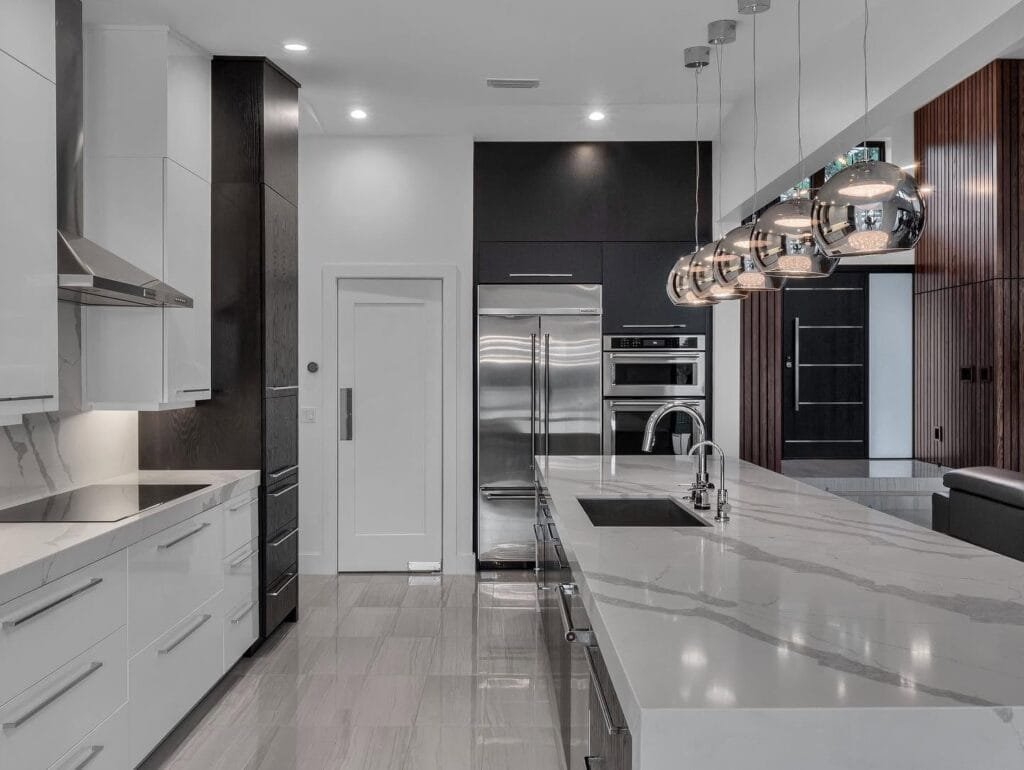
Multifamily Apartment Kitchens
Modern kitchens are one of the biggest drivers of rental value and resident satisfaction. Upgrade cabinets, countertops, appliances, and flooring while confirming plumbing and electrical systems meet current code requirements before walls and finishes are completed.
Multifamily Apartment Bathrooms
Bathrooms experience constant moisture, making quality waterproofing and ventilation essential in Florida. Replacing outdated fixtures, improving exhaust systems, and installing durable finishes helps reduce mould risks, maintenance costs, and future repair work.
Multifamily Apartment Flooring
Apartment flooring should withstand heavy foot traffic, furniture movement, and daily wear without frequent replacement. Moisture-resistant materials such as luxury vinyl plank perform well in Florida while providing easier maintenance and long-term value for property owners.
Multifamily Apartment Windows & Doors
New windows and doors improve security, comfort, and energy efficiency while helping protect buildings during severe weather. Many Florida properties also require impact-rated products that meet current wind resistance and building code standards.
Multifamily Apartment Paint & Interior Finishes
Fresh interior finishes immediately improve the appearance of every unit and create a stronger first impression for prospective tenants. Choosing durable, low-VOC paints helps finishes withstand Florida’s humidity while reducing maintenance between resident turnovers.
Multifamily Apartment Electrical & Lighting
Updating electrical systems improves both safety and everyday functionality throughout the property. Modern lighting, upgraded panels where required, and additional outlets can reduce energy consumption while creating brighter, more attractive living spaces for residents.
Step 4: Budget for Florida Specific Costs
Apartment renovation budgets should always include a contingency. Unexpected issues, such as hidden water damage, outdated wiring, or required code upgrades, can quickly increase project costs.
Many property owners set aside an additional 10–30% beyond the real-time project estimate to cover unforeseen expenses. Obtaining detailed contractor estimates and thoroughly documenting existing conditions can significantly reduce expensive change orders later.
Step 5: Plan Around Occupied Units and Resident Communication
Many multifamily renovations take place while residents continue living on the property. Clear communication helps minimize complaints and keeps projects running smoothly. A strong resident communication plan should include:
- Advance notices: Inform residents before work begins so they have enough time to prepare for scheduled access, temporary disruptions, or parking changes.
- Construction schedules: Share clear daily or weekly timelines that outline which buildings or units will be affected and when each phase is expected to be completed.
- Noise and access updates: Let residents know about expected noise levels, temporary utility interruptions, restricted access areas, or changes to shared amenities before they occur.
- Dedicated point of contact: Assign a property manager or project coordinator who can answer questions promptly, provide updates, and resolve resident concerns throughout the renovation.
- Phased construction: Renovate buildings or groups of units in stages instead of tackling the entire community at once to minimise disruption and maintain higher occupancy levels.
Learn More: 10 Best Multifamily Design Trends In 2026
Step 6: Hire a Renovation Partner Who Knows Florida Code
Not every contractor is equipped to renovate occupied apartment communities. Look for a renovation partner with experience managing large-scale multifamily projects, coordinating phased construction, and working within Florida’s building regulations. When evaluating a renovation partner, look for a team that can provide:
- Proven multifamily experience: Choose a contractor with a strong portfolio of apartment renovation projects and experience working in occupied communities.
- Efficient project management: Look for a team that can coordinate phased construction, manage subcontractors, and keep every stage of the renovation on schedule.
- Permit and code expertise: Partner with professionals who understand Florida’s building regulations and can manage inspections, permits, and compliance requirements efficiently.
- Consistent workmanship: Ensure the contractor follows quality standards across every unit, delivering a uniform finish regardless of the project’s size or complexity.
- Resident-focused planning: Select a contractor who prioritises safety, clear communication, and strategies that minimise disruption for residents throughout construction.
Choosing an experienced multifamily renovation contractor across the U.S often saves both time and money over the course of the project.
Multifamily Interior Renovation Checklist at a Glance
| Checklist Item | What to Confirm |
| Property Assessment | Inspect units, common areas, building systems, and document existing conditions before work begins. |
| Permits & Code Compliance | Confirm local permit requirements and ensure renovation plans comply with current Florida Building Code standards. |
| Renovation Scope | Define upgrades for each unit type and common area to maintain consistency across the property. |
| Budget Planning | Set a realistic budget and include a 10–30% contingency for unexpected repairs or code-related upgrades. |
| Material Selection | Choose durable, moisture-resistant, and code-compliant materials suitable for Florida’s climate. |
| Construction Schedule | Phase the renovation around occupancy levels and lease cycles to minimise disruption. |
| Resident Communication | Notify residents about schedules, access requirements, and temporary disruptions before work begins. |
| Inspections | Schedule inspections at key construction milestones to keep the project moving smoothly. |
| Final Walkthrough | Inspect each completed unit, resolve punch-list items, and verify workmanship before handover. |
| Project Documentation | Record warranties, final photos, maintenance updates, and renovation details for future reference. |
Planning a Multifamily Interior Renovation in Florida? Contact Us
Renovating an occupied multifamily apartment community takes more than skilled construction, it requires careful planning, code compliance, and experienced project management. HAWK partners with property owners and managers to deliver efficient interior renovations with minimal disruption.
With over 20 years of multifamily renovation experience, we help keep projects compliant, on schedule, and focused on delivering long-term value for your property. Contact our team today to plan a renovation that stays on budget, minimises disruption, and meets Florida’s building requirements.
FAQs
How long does an interior renovation take for a multifamily unit in Florida?
Timelines vary by scope, but a single unit renovation typically takes two to six weeks. Property wide projects take longer and are usually phased across multiple units to limit vacancy loss and reduce disruption for residents still living on site.
Do interior renovations always require a permit in Florida?
Not always, but many do, especially work involving electrical, plumbing, structural changes, or window replacement. Even smaller cosmetic projects can trigger permit requirements depending on scope, so it is best to confirm with your contractor before starting.
How much should property owners budget for unexpected renovation costs?
A common guideline is adding 10 to 30 percent above the base estimate. This buffer covers issues like hidden water damage, outdated wiring, or code required upgrades that are not visible until walls or fixtures are opened during construction.
Can renovations happen while apartment units remain occupied?
Yes! Many multifamily renovations are phased specifically to keep units occupied and income flowing. This requires clear resident communication, scheduled access windows, and sequencing work in stages rather than renovating the entire property at once.