Top Multifamily Design Trends Shaping Apartment Properties in 2026
Keeping up with multifamily design trends is becoming more challenging as renter expectations continue to change. Property owners and developers must balance modern amenities, rising renovation costs, and long-term property performance while staying competitive in the rental market. Knowing which trends deliver real value and which are short-lived can help you make smarter renovation and capital improvement decisions. At HAWK CR, we turn these trends into successful renovation and capital improvement projects with minimal resident disruption.
This guide explores the multifamily design trends shaping apartment properties in 2026. Also, explains how they can improve resident satisfaction, increase property value, and support long-term returns.
10 Multifamily Design Trends Every Property Owner Should Know in 2026
The multifamily apartment renovation market continues to evolve as resident expectations, construction costs, and property management priorities change. From wellness-focused amenities to smart building technology and durable materials, today’s design decisions have a direct impact on tenant satisfaction and long-term property value. Here are the key multifamily design trends influencing renovation and capital improvement projects in 2026.
Wellness-Focused Living Is Becoming a Competitive Advantage
Today’s renters want more than modern finishes. They value healthier living environments that support comfort, wellbeing, and everyday convenience. Communities that invest in wellness-focused upgrades often experience higher resident satisfaction, stronger lease renewals, and increased long-term property value. Popular wellness features include:
- Better indoor air quality systems
- Larger windows and natural light
- Acoustic insulation between units
- Green courtyards and outdoor spaces
- Natural materials like wood and stone
Flexible Shared Spaces Replace Traditional Amenities
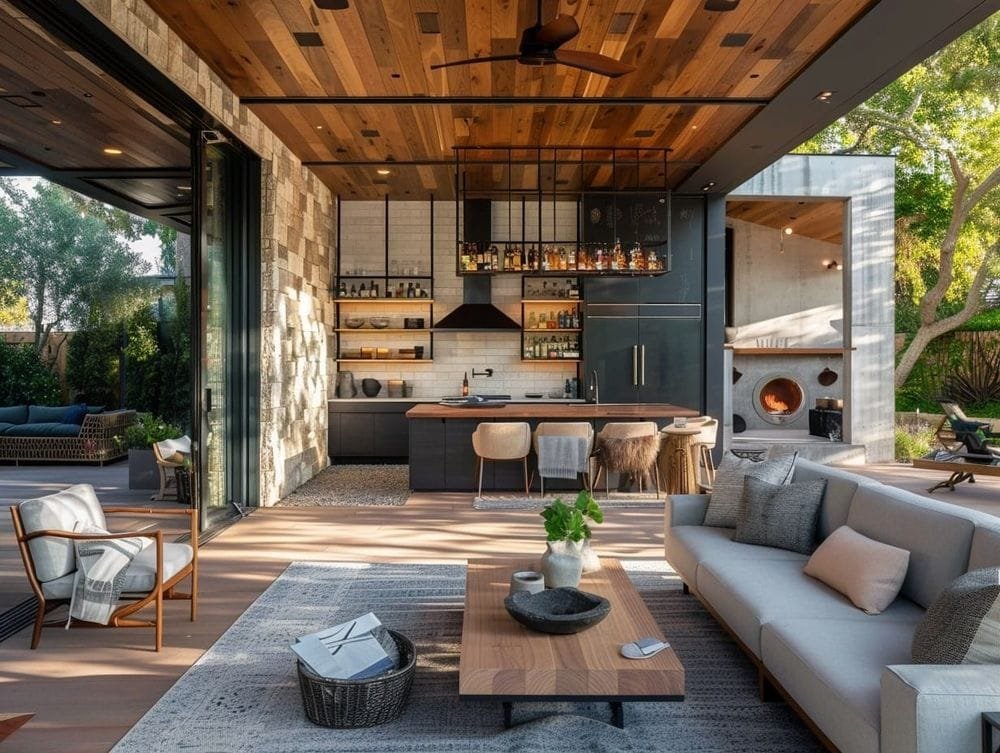
Residents expect amenities that fit their daily routines rather than spaces that sit unused. Multifamily communities are transforming clubhouses into functional environments that encourage remote work, social interaction, and community engagement while increasing the property’s overall appeal. Trending shared spaces include:
- Coworking lounges
- Private meeting pods
- Outdoor kitchens
- Fire pits and seating areas
- Multi-purpose community rooms
Smart Building Technology Improves Efficiency
Smart technology is becoming a standard feature in modern apartment communities. Beyond improving convenience for residents, connected building systems help property owners reduce operating costs, improve security, and make informed decisions using real-time building performance data. It plays directly into the type of capital improvement work HAWK CR specializes in. Popular smart upgrades include:
- Keyless entry systems
- AI-powered climate control
- Smart lighting
- Energy monitoring
- Intelligent security systems
Durable Materials Deliver Better Long-Term ROI
With construction costs remaining high, owners are prioritising finishes that balance appearance with durability. Investing in quality materials reduces maintenance requirements, extends replacement cycles, and protects property value while creating attractive living spaces that withstand daily wear. Preferred material choices include:
- Quartz countertops
- Luxury vinyl plank flooring
- Porcelain tiles
- Moisture-resistant cabinetry
- Durable exterior cladding
Sustainable Renovations Reduce Operating Costs
Sustainability is becoming a practical investment rather than simply an environmental goal. Energy-efficient upgrades help reduce utility expenses, lower maintenance costs, and improve building performance while meeting growing resident demand for environmentally responsible communities. Common sustainability upgrades include:
- LED lighting
- Energy-efficient windows
- Water-saving fixtures
- Improved insulation
- Solar-ready infrastructure
Local Design Creates More Memorable Communities
Generic apartment designs are giving way to spaces that reflect the surrounding neighbourhood. Local materials, regional colours, and community-inspired design elements help properties develop a stronger identity while creating a more authentic living experience for residents. Popular design elements include:
- Regional artwork
- Local colour palettes
- Native landscaping
- Feature murals
- Community-inspired finishes
Adaptive Reuse Offers a Smarter Investment
Rising construction costs and tighter budgets are encouraging owners to renovate existing properties instead of building new ones. Adaptive reuse and phased renovations improve ageing assets, reduce project timelines, and maximise return on investment with less disruption. Key benefits include:
- Lower development costs
- Faster project delivery
- Reduced permitting challenges
- Better return on investment
- Extended building lifespan
Outdoor Living Spaces Continue to Gain Value
Outdoor amenities have become an important factor for prospective renters. Well-designed exterior spaces encourage community interaction, support healthier lifestyles, and make apartment properties more attractive in increasingly competitive rental markets. In-demand outdoor amenities include:
- Resort-style pools
- Outdoor fitness areas
- Dog parks
- Walking trails
- Rooftop lounges
Universal Design Expands Resident Appeal
Accessible design benefits residents of all ages and abilities while helping communities remain relevant for years to come. Simple design improvements create safer, more comfortable living environments and support broader tenant demand without sacrificing aesthetics. Common accessibility upgrades include:
- Step-free entrances
- Wider doorways
- Accessible bathrooms
- Improved lighting
- Easy-to-use door hardware
Climate-Resilient Renovations Protect Long-Term Assets
Extreme weather and changing environmental conditions are influencing renovation priorities across the multifamily sector. Investing in resilient materials and building systems helps reduce future repair costs, improve durability, and protect long-term property performance. Resilience-focused upgrades include:
- Impact-resistant materials
- Improved drainage systems
- Weather-resistant roofing
- Flood protection measures
- High-performance exterior systems
Renovate Smarter that Increase Long-Term Property Value | Call Now
The right renovation strategy can improve resident satisfaction, reduce long-term maintenance costs, and strengthen your property’s value. Focusing on proven upgrades helps maximise every investment while keeping your community competitive.
HAWK Constructions and Renovation delivers interior renovations, capital improvement programmes, and deferred maintenance solutions with minimal disruption to residents. Contact our team today to discuss your next multifamily renovation project.
Frequently Asked Questions
What is the biggest multifamily design trend for 2026?
Wellness centered living is one of the most significant trends, with properties prioritizing better air quality, natural light, and biophilic elements like natural wood and stone. Combined with adaptive reuse and purpose-driven amenities, these features are reshaping how properties are renovated and marketed to prospective renters.
Is adaptive reuse more cost-effective than new construction?
In many cases, yes! Adaptive reuse allows owners to avoid the high costs and lengthy timelines associated with ground-up construction. Many cities also offer zoning incentives for conversions, making renovation and capital improvement projects an increasingly attractive path for extending a property’s useful life.
Should I choose quartz or granite countertops for my renovation?
Quartz is often preferred for standard units due to its low maintenance and consistent appearance across large projects. Granite works well in premium units or feature spaces like kitchen islands, where its natural variation adds perceived value. The right choice depends on your budget and target renter profile.
Can renovations happen without displacing current residents?
Yes, with proper planning and an experienced contractor, most interior renovations, capital improvements, and deferred maintenance work can be completed while residents remain in place. HAWK CR structures projects specifically to minimize disruption, allowing owners to upgrade properties without losing rental income or resident goodwill.