
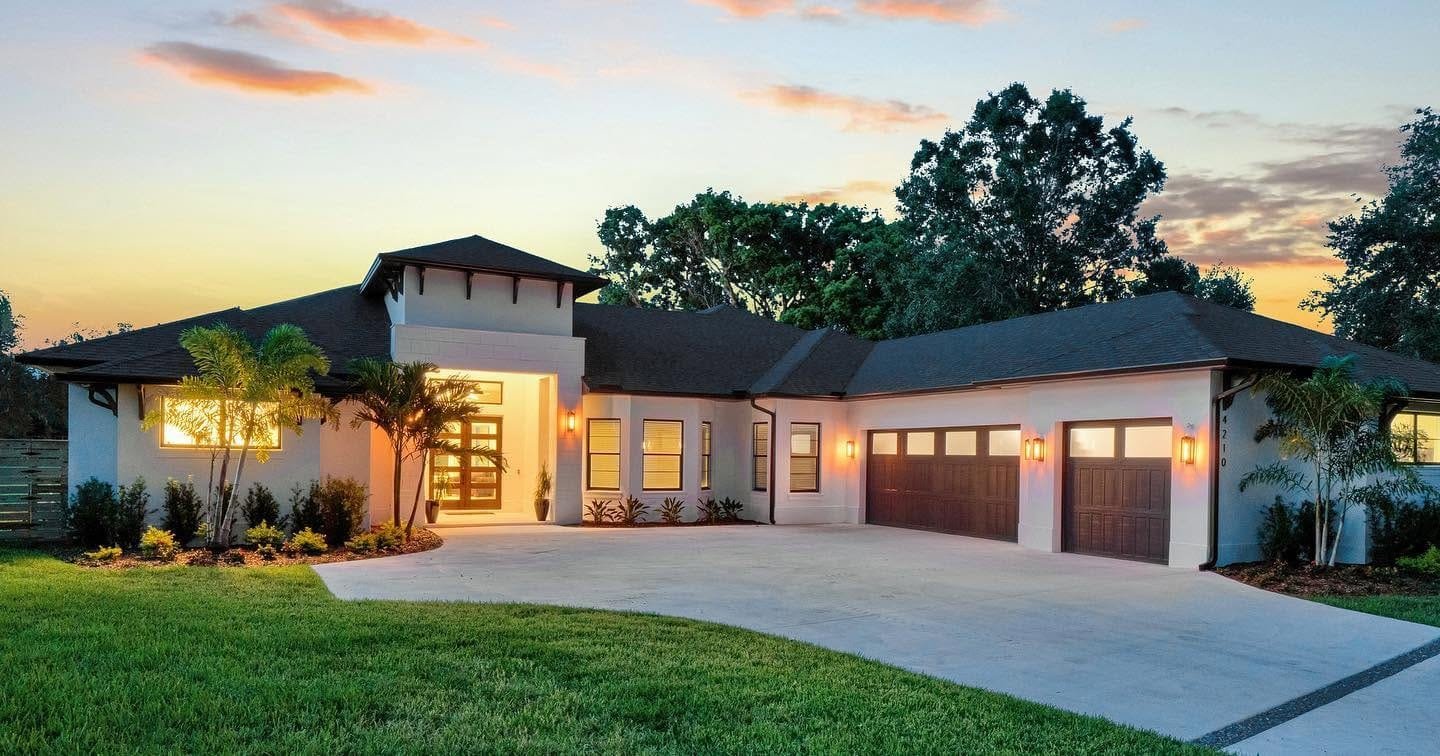
Residential Contractor vs. General Contractor: Key Differences Explained
While “residential contractor” and “general contractor” overlap, they aren’t identical. The key difference lies in project scope and specialized expertise.
Residential contractors focus exclusively on housing, such as single-family homes and duplexes. General contractors manage a broader range of complex, large-scale projects, including commercial builds, large multifamily complexes, and major structural overhauls.
Understanding this distinction ensures that you hire the right expertise for your project’s specific scale and regulatory needs. For top-tier expertise across Florida and different regions of the United States, choose Hawks Constructions and Renovation to manage your next project professionally.
What do General Contractors do
General contractors manage construction projects from planning to completion across commercial, industrial, and residential sectors. They coordinate subcontractors, schedules, budgets, permits, and building code compliance.
Their expertise allows them to oversee projects of all sizes while working closely with clients, architects, engineers, and suppliers to ensure successful project delivery.
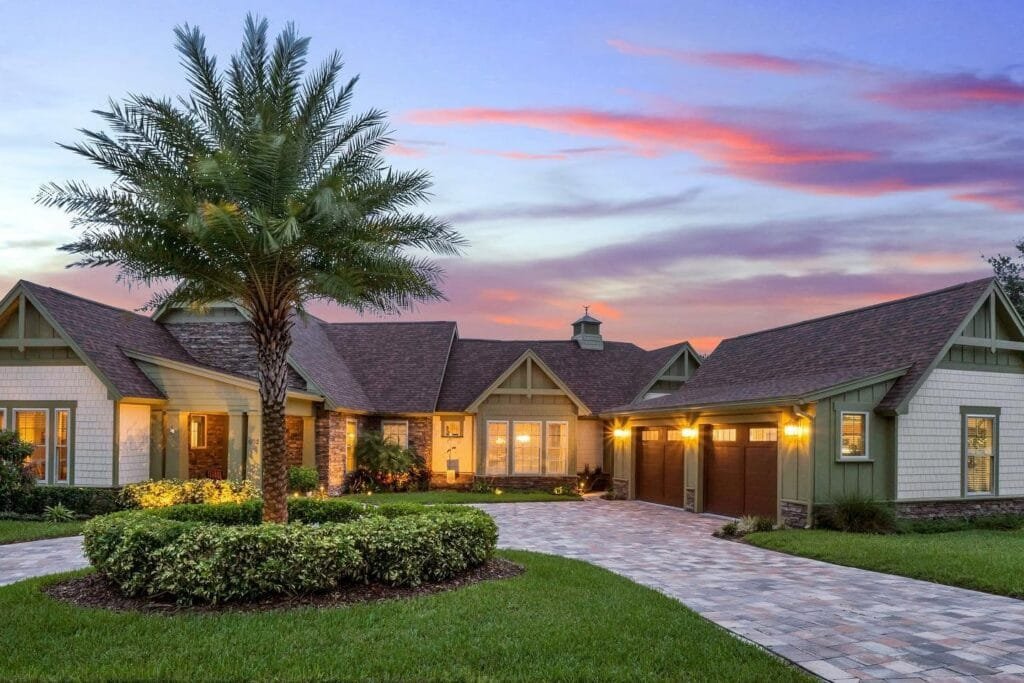
Typical Responsibilities of a General Contractor
- Project Oversight: Planning and managing the entire construction lifecycle, including new construction, interior remodels, and exterior renovation projects from concept to completion.
- Subcontractor Coordination: Hiring and managing specialized trades, including electricians, plumbers, HVAC technicians, and framers.
- Permits & Compliance: Securing necessary municipal permits and ensuring strict adherence to local building codes.
- Financial & Timeline Control: Managing project budgets, material procurement, and strict delivery schedules.
- Quality & Safety Monitoring: Ensuring rigorous quality control, workplace safety, and regulatory compliance on site.
- Client Communication: Serving as the primary point of contact to resolve project-related challenges transparently.
Due to their broad expertise and project management capabilities, general contractors are well-suited for projects of all sizes. They are commonly hired for commercial, industrial, mixed-use, and large-scale residential construction projects.
What do Residential Contractors do
Residential contractors are general contractors who specialize exclusively in building, renovating, remodeling, and repairing residential properties. They work closely with homeowners, architects, and designers to deliver functional and code-compliant designs.
In addition, home contractors create visually appealing living spaces, including single-family homes, duplexes, townhouses, condominiums, and multifamily residences.
Residential Contractors Typically Specialize
- Residential Code Expertise: Navigating local residential building codes and specific neighborhood zoning requirements.
- Home Transformations: Managing home additions, structural renovations, and custom home construction from the ground up.
- Residential Systems: Working with structural systems, framing styles, and materials commonly utilized in homebuilding.
- Modern Standards: Implementing energy-efficient building practices and modern residential utility standards.
- Tailored Finishes: Executing interior layout renovation, custom cabinetry, and high-end design features tailored to homeowner preferences.
- Live-In Project Management: Coordinating construction schedules to minimize noise, dust, and disruption to occupied homes.
Due to their expertise is focused exclusively on residential construction, residential contractors are well-equipped to handle the unique challenges of home projects. They navigate strict HOA guidelines, minimize disruption to occupied homes during renovations, and deliver finishes that match homeowners’ expectations.
Main Differences Between General and Residential Contractors
Although both professionals can manage residential construction projects, their expertise, project scope, and client focus differ significantly. Understanding these differences helps you choose the right contractor for your project.
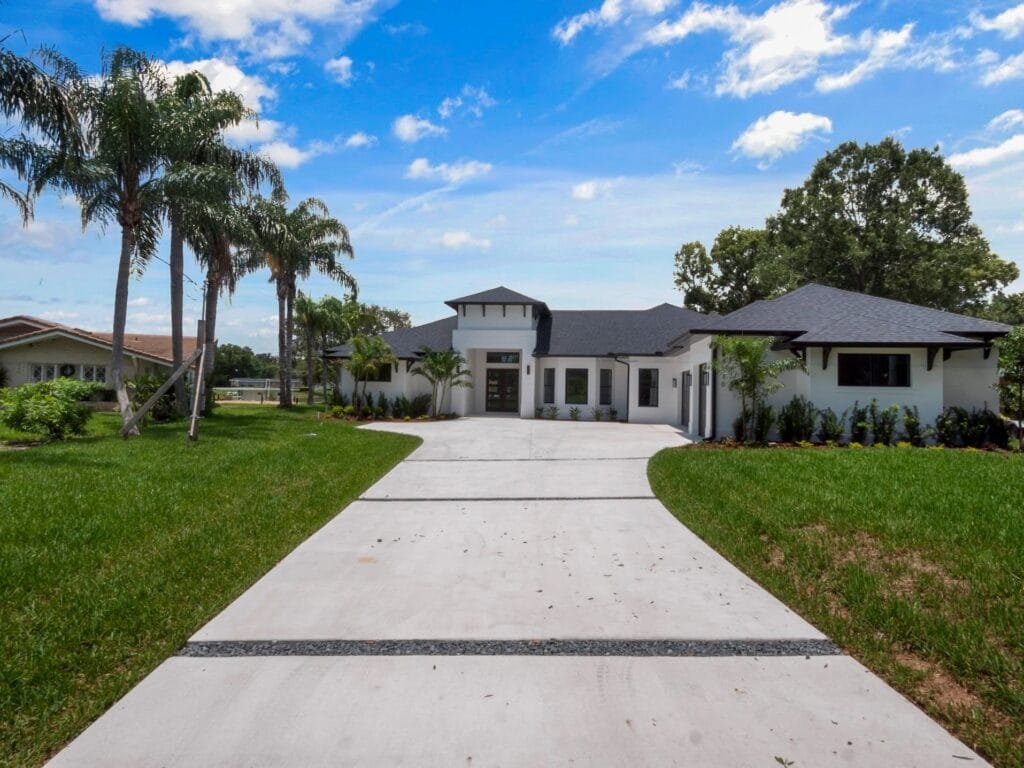
Project Scope
- General Contractor: Manages commercial, industrial, mixed-use, and residential projects.
- Residential Contractor: Focuses exclusively on residential construction, renovations, and remodeling.
Primary Expertise
- General Contractor: Oversees projects across multiple construction sectors.
- Residential Contractor: Specializes in the design, construction, and improvement of homes.
Typical Clients
- General Contractor: Businesses, developers, government agencies, and homeowners.
- Residential Contractor: Primarily homeowners and residential property developers.
Project Size
- General Contractor: Handles projects ranging from home builds to large commercial developments.
- Residential Contractor: Works mainly in single-family homes, duplexes, townhouses, condominiums, and multifamily residences.
Building Knowledge
- General Contractor: Broad knowledge of commercial and residential construction standards.
- Residential Contractor: Extensive understanding of residential building codes, HOA requirements, home layouts, and interior finishes.
Project Coordination
- General Contractor: Manages subcontractors, permits, budgets, schedules, and regulatory compliance.
- Residential Contractor: Coordinates residential trades while focusing on homeowner expectations and daily living requirements.
- Best For Construction
- General Contractor: Commercial buildings, industrial facilities, mixed-use developments, and large residential projects.
- Residential Contractor: Custom homes, home additions, remodeling, renovations, and residential repairs.
Which Contractor Should You Choose?
If your project involves a commercial building, industrial facility, or large mixed-use development, a general contractor is typically the better choice due to their broad project management experience.
For home construction, remodeling, renovations, or additions, a residential contractor offers specialized expertise tailored to the unique requirements of residential properties.
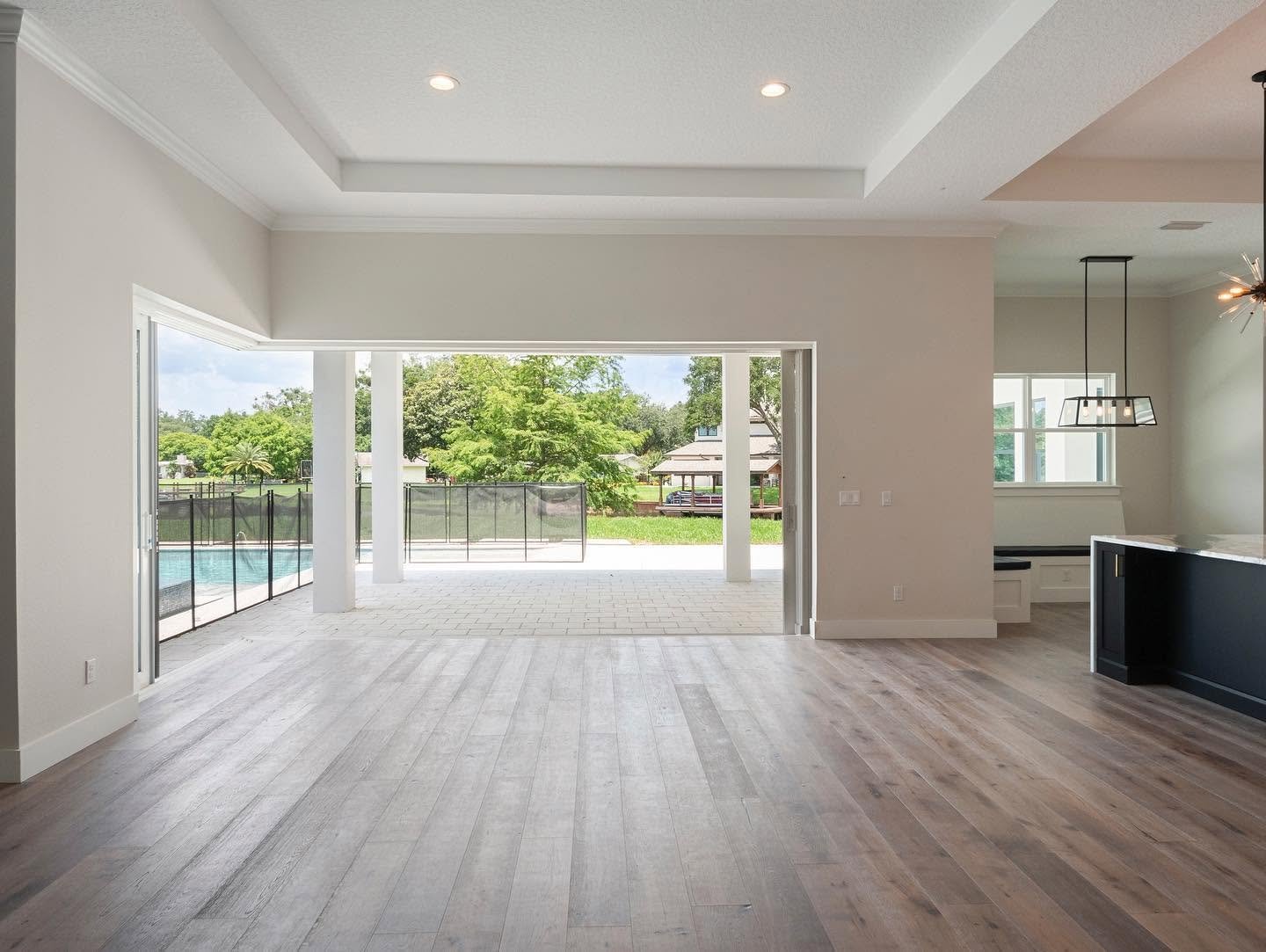
Build with Confidence with Certified Constructions and Renovation
Don’t leave your home investment to chance. As a trusted leader across Florida and the United States, Hawks CR brings refined, personal precision to every project. We deliver meticulous, high-end interior finishes, structural upgrades, and strict compliance with your private living space demands.
Contact us today for a free consultation on high-end renovation and construction services. We proudly serve clients with quality craftsmanship and exceptional project management.
Wrapping Up
Choosing between a general contractor vs contractor for a home project depends on the size, complexity, and purpose of your construction project. While both manage construction work, their expertise, project scope, and day-to-day responsibilities differ significantly.
General contractors are ideal for commercial, industrial, mixed-use, and large-scale developments that require extensive project coordination. Residential contractors, on the other hand, specialize in creating, renovating, and improving homes while addressing the unique requirements of homeowners and residential communities.
By understanding these differences, you can confidently select the right professional for your project, helping ensure smoother construction, better communication, and results that meet your expectations from planning through completion.
Frequently Asked Questions
Is a home improvement contractor the same as a general contractor?
No! A home improvement contractor focuses on specific renovation or repair projects, such as painting, flooring, cabinetry, or kitchen and bathroom upgrades. A general contractor oversees the entire construction process, coordinating subcontractors, permits, schedules, and budgets for larger residential, commercial, or complex renovation projects.
Can a general contractor build a custom home?
Yes! Many general contractors are qualified to build custom homes, provided they have residential construction experience and the appropriate licensing. However, some homeowners prefer residential contractors because they specialize exclusively in home construction, remodeling, and custom residential finishes.
Do general contractors perform the construction work themselves?
General contractors typically oversee and manage the project rather than completing every trade themselves. They coordinate licensed subcontractors, such as electricians, plumbers, HVAC technicians, roofers, and farmers, while ensuring quality, scheduling, and code compliance throughout the project.
How do I choose the right contractor for my project?
Start by considering your project’s scope and complexity. Commercial, industrial, and mixed-use developments usually require a general contractor, while home renovations, additions, and custom home projects are often better suited to a residential contractor with specialized housing expertise.
What should I ask before hiring a contractor?
Before hiring a contractor, ask the right questions to verify their qualifications, understand how they manage projects, and avoid unexpected costs or delays. Key questions include:
- Are you licensed and insured?
- Have you completed similar projects?
- Can you provide references?
- What is your estimated start and completion date?
- Will you be on site every day?
- What is your payment schedule?
- Will you handle the permits and inspections?
- Is this a fixed price or time-and-materials contract?
- What type of warranty do you provide?